A city that tells you the rule, and then keeps it
Munich runs on rules — fares, registration, opening hours, closing days. We write what is checkable, name the office that decides it, and say who claims anything we did not verify ourselves.
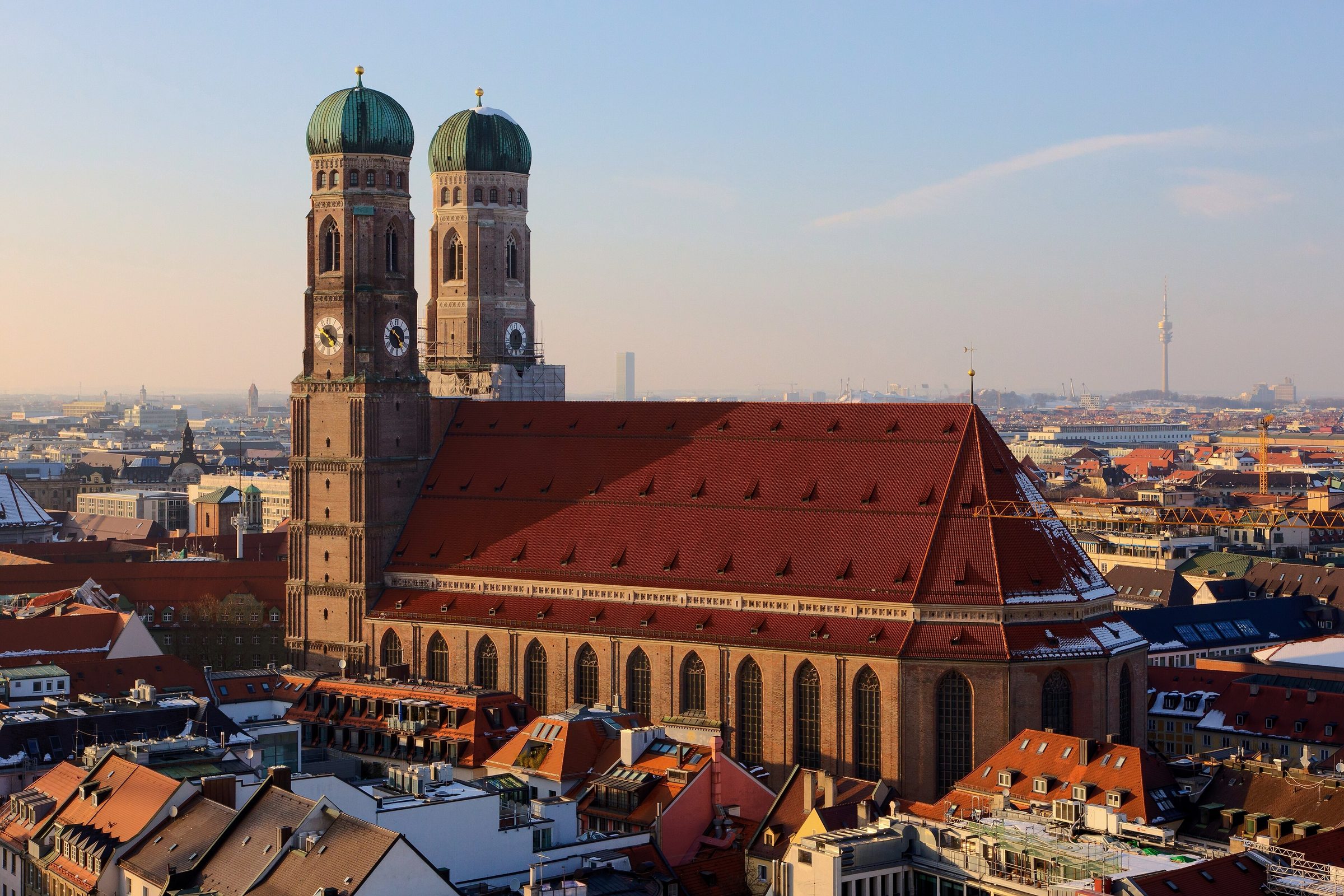
Photograph by Martin Falbisoner, Wikimedia Commons, CC BY-SA 3.0

Population as at 31 December 2024 and area: City of Munich. Elevation is the commonly cited city figure — Munich is the highest of Germany’s large cities, which is part of why its weather behaves unlike the north.
What the city is, before the details
Munich is the capital of Bavaria — a free state with its own laws on shop hours, schooling and holidays, which is why so many rules here differ from the rest of Germany. It sits on the Isar, about an hour from the Alps, and it knows it.
The name
The city is first recorded in 1158, when Henry the Lion put a market and a bridge on the Isar and taxed the salt crossing. The name comes from the monks who were there before him — ze den Münichen, “at the monks” — which is why a hooded figure, the Münchner Kindl, still sits on the city’s arms.
The shape of the place
Munich sits at about 520 metres, higher than any other large German city, on a gravel plain the Isar cut through the Alpine foothills. The Alps are roughly an hour south, and on clear days you can see them from the upper floors of the city.
The old town is small and walkable; the 25 Bezirke spread out around it, and the S-Bahn does most of the work of holding them together.
What you actually see
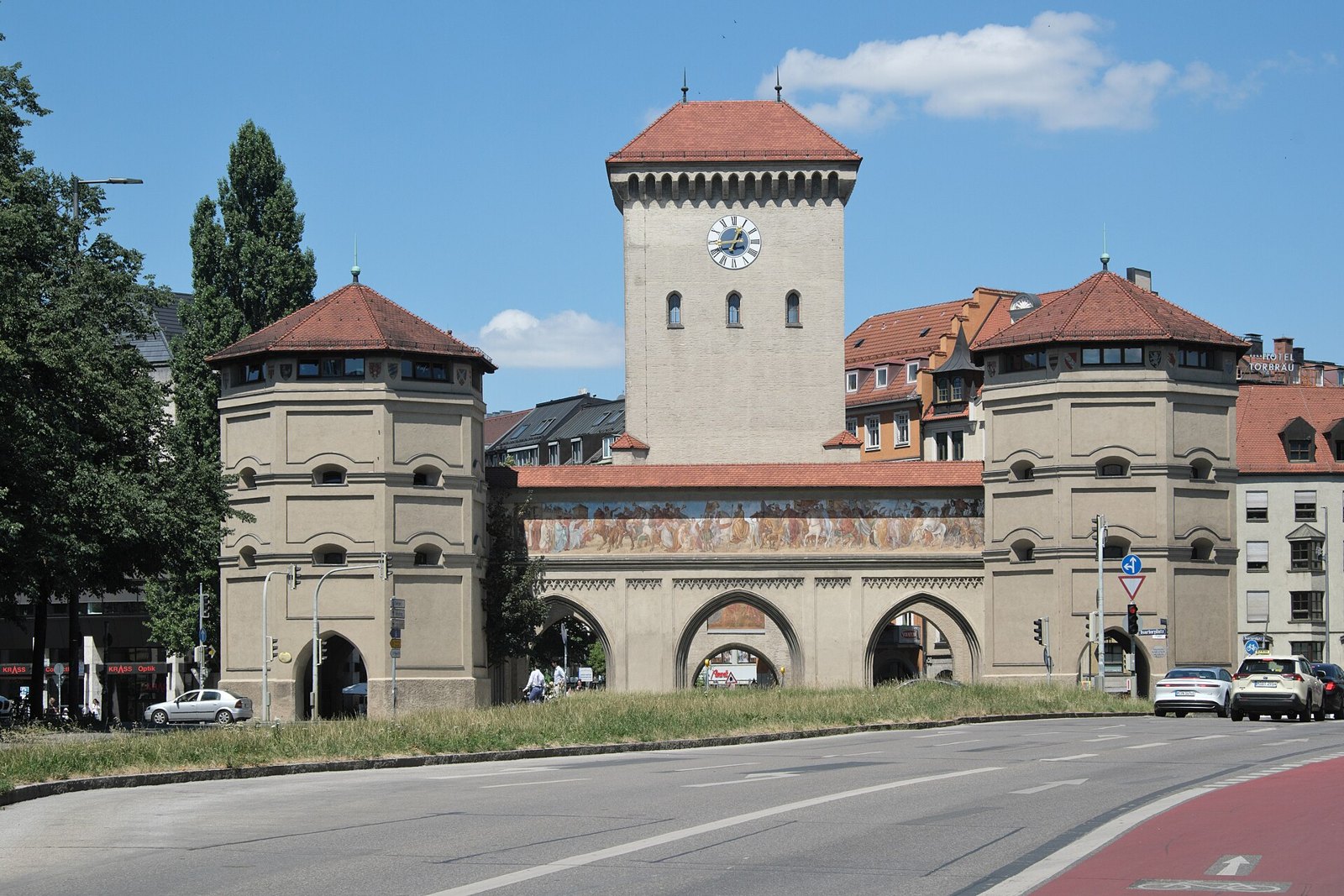
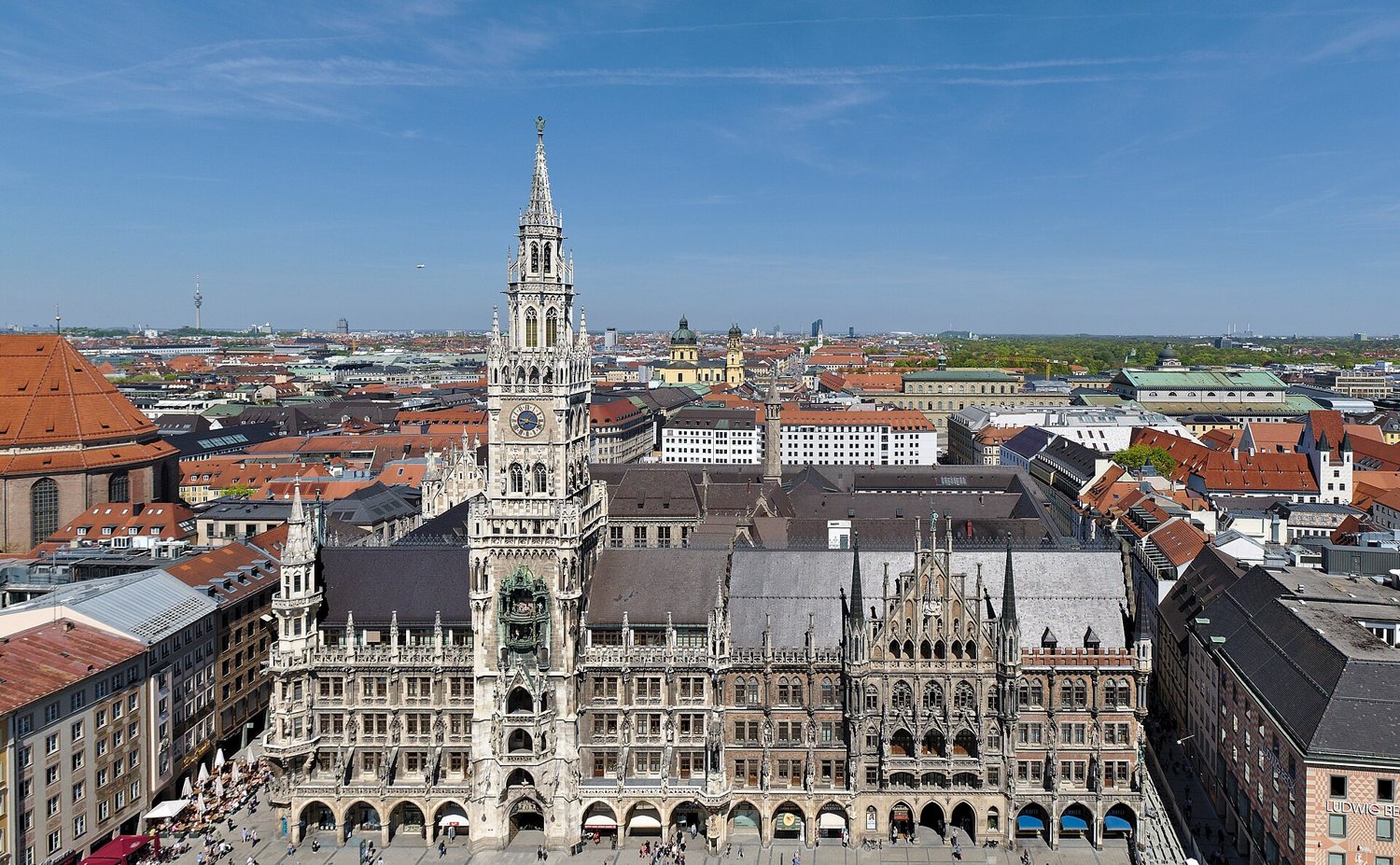
A medieval core with the gates still standing, a royal capital’s worth of nineteenth-century architecture laid over it, and a great deal of careful post-1945 rebuilding — Munich chose to reconstruct its old town rather than replace it.
Photograph by GFreihalter, Wikimedia Commons, CC BY-SA 4.0

A very short history
- 1158Henry the Lion’s market on the Isar is first recorded — the city’s birthday.
- 1255The Wittelsbachs make Munich a residence. They stay for 663 years.
- 1806Bavaria becomes a kingdom; Munich becomes a royal capital and builds like one.
- 1918–19The monarchy falls; a short-lived council republic is put down.
- 1923The Beer Hall Putsch fails here — the beginning of what the city later has to reckon with.
- 1945Roughly half the city is destroyed. The old town is rebuilt rather than replaced.
- 1972The Olympics, the U-Bahn, and the modern city’s shape.
The weather, honestly
Wetter than most people expect. Munich takes roughly 1,100 mm of precipitation a year — considerably more than Berlin or Vienna — because the Alps sit right there and wring the clouds out.
| Summer | ~25 °C daytime in July |
| Winter | ~4 °C daytime in January |
| Rain & snow | ~1,100 mm a year |
The local speciality is the Föhn: a warm dry wind off the Alps that clears the air, makes the mountains look an hour closer than they are, and gets blamed for everybody’s headache.
What it costs to be here
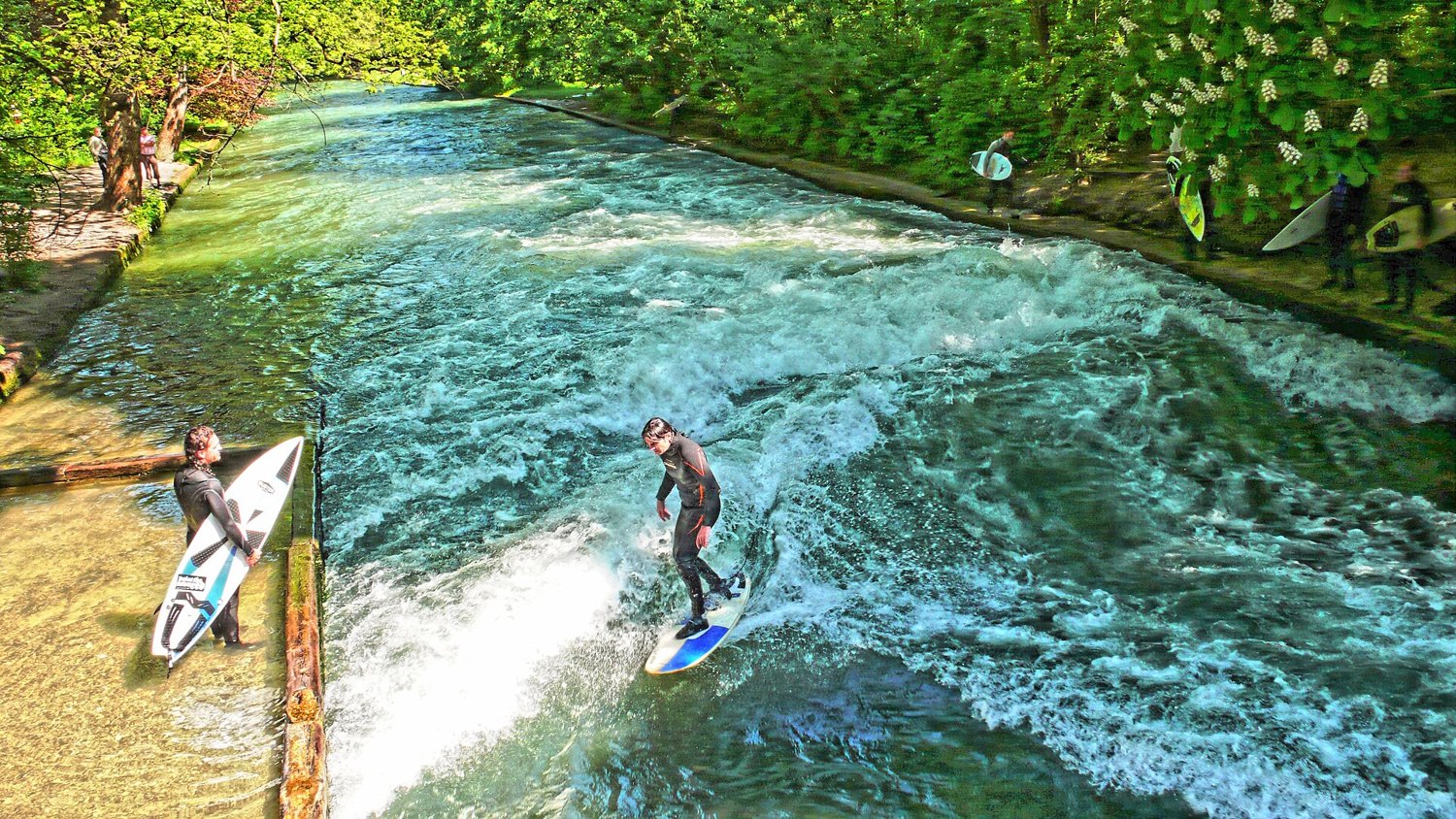
Munich is expensive and does not hide it. The useful counterweight: the Kunstareal museums charge a nominal admission on Sundays, the Englischer Garten and its surfers cost nothing, and traditional beer gardens let you bring your own food.
It is also the most expensive city in Germany to rent in, which is worth knowing mainly as the reason hotel prices behave the way they do.
Beer, and what it actually is here
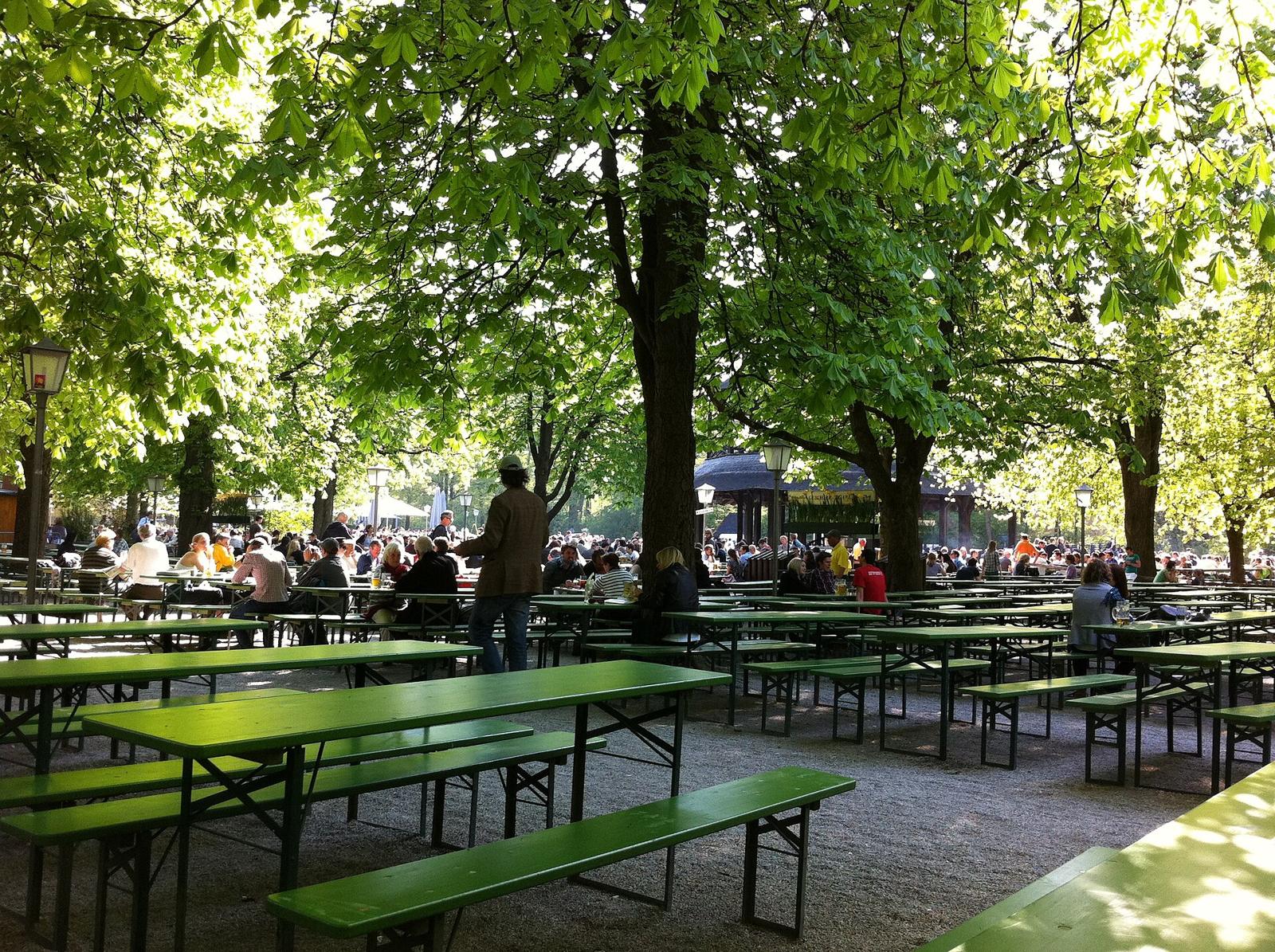
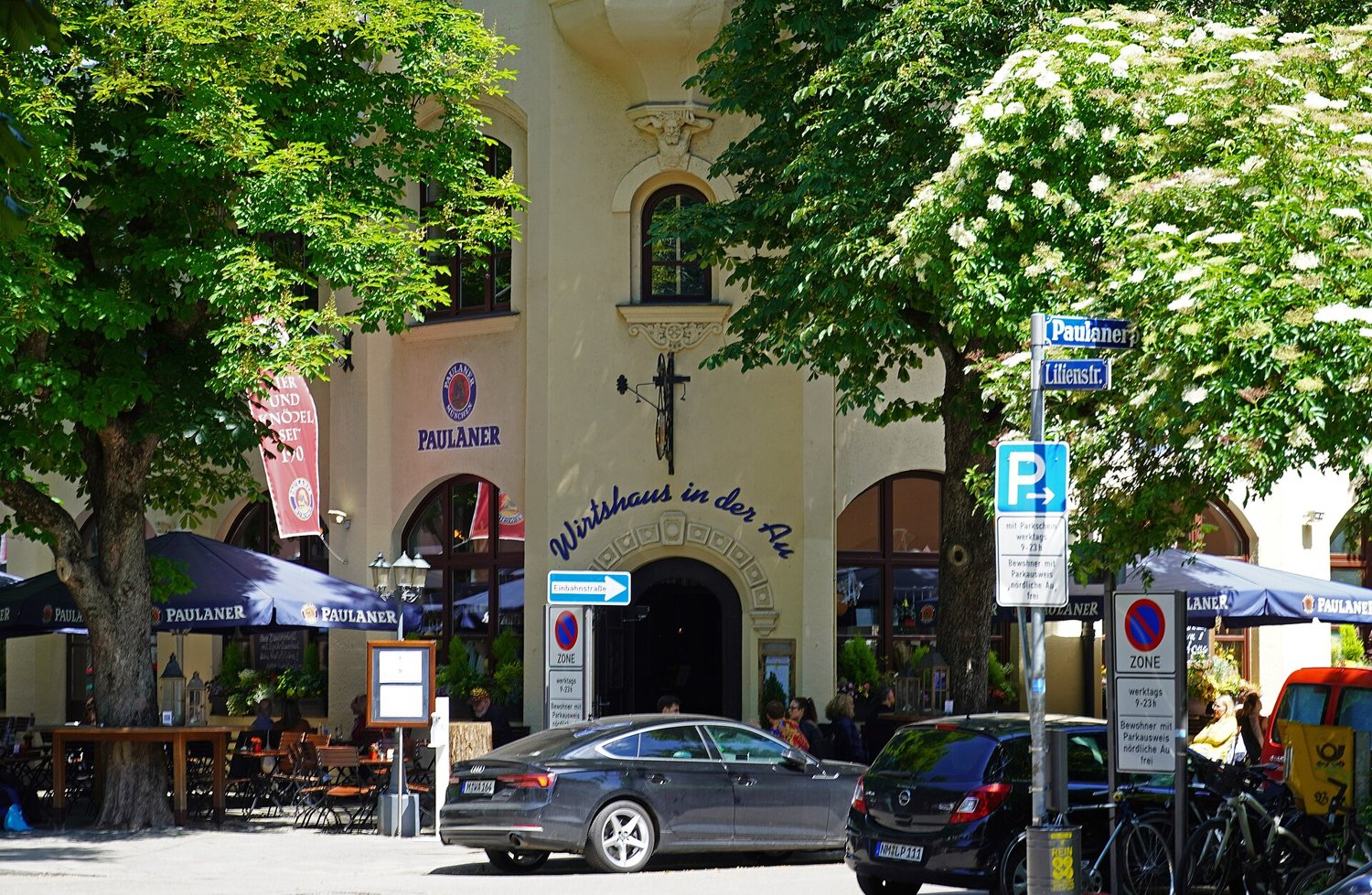
Munich’s reputation is beer, and the useful version of that fact is not the tourist one. A beer garden is a legal category rather than a style: under Bavarian custom now written into regulation, you may bring your own food to the traditional ones and buy only the drink. That single rule explains the tables of people with their own bread and radishes.
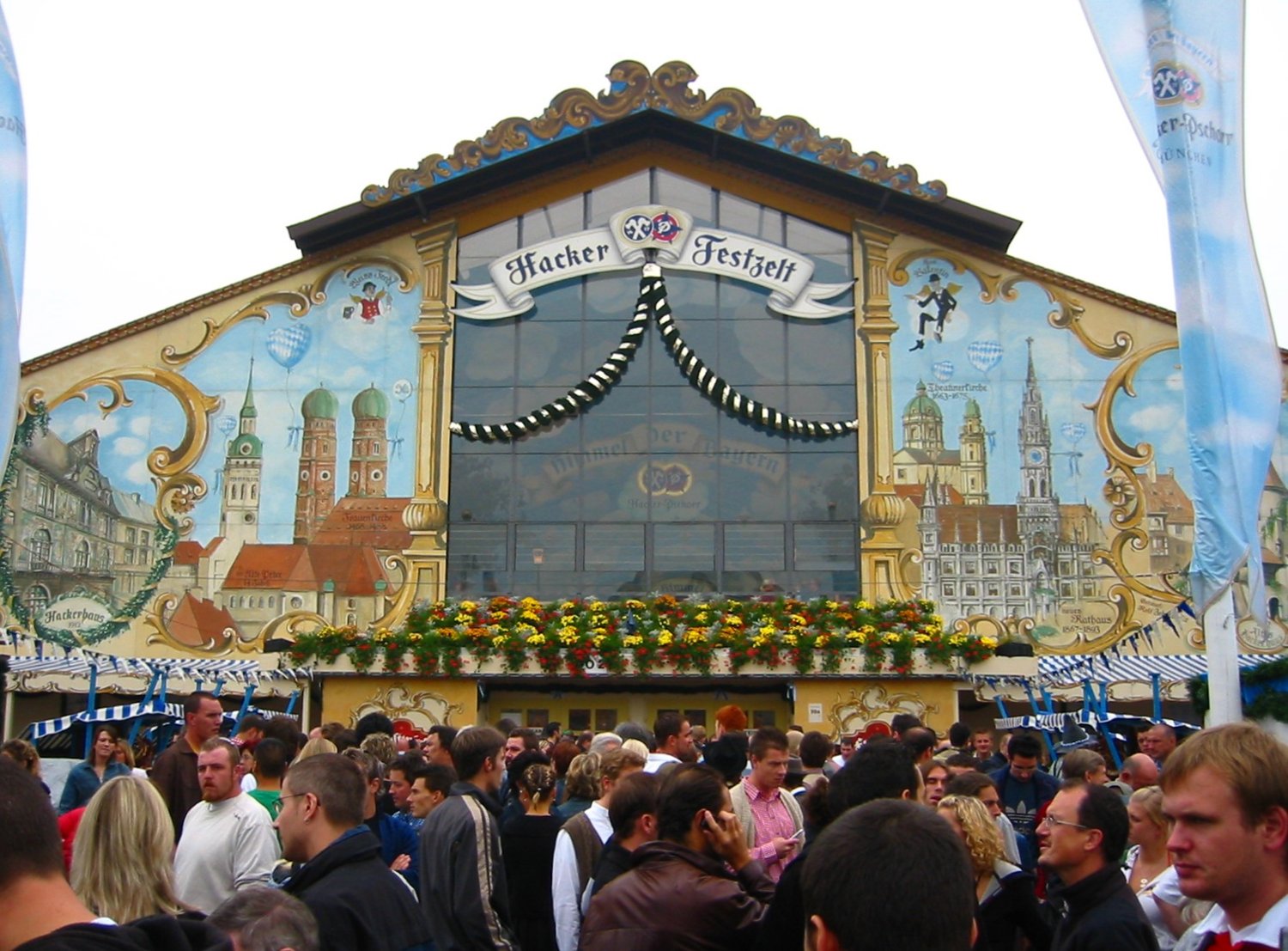
Oktoberfest is not a beer festival in the sense visitors expect. It is a Volksfest — a funfair with tents attached — first held in 1810 for a royal wedding, and now drawing around seven million people to the Theresienwiese. Only the six Munich breweries may pour there.
The rest of the year, the beer gardens do the work. They are public space as much as hospitality, and the chestnut trees are there for a reason: they were planted to keep the cellars cool before refrigeration.
Photograph by siegertmarc, Wikimedia Commons, CC BY 2.0

The basics, in one place
Munich is known for beer, brewed under a purity law issued in Bavaria in 1516, and for Oktoberfest, which starts in September. Also for the Glockenspiel on the Marienplatz, the Residenz, the three Pinakothek galleries, BMW and FC Bayern — and for being the easiest big German city to reach the Alps from.
- Country
- Germany. Munich is the capital of Bavaria, the largest of the sixteen federal states and the one most insistent on its own identity.
- Language
- German, with a Bavarian dialect you will hear but rarely need. English is widely spoken in the centre.
- Currency
- The euro (€). Carry cash. Germany is the most cash-reliant country in western Europe and plenty of beer gardens, bakeries and small restaurants still take nothing else.
- Time zone
- Central European Time, UTC+1 — and UTC+2 from late March to late October.
- Population
- About 1.5 million in the city; roughly 2.9 million across the metropolitan region.
- Arriving
- Munich Airport (MUC) is about 35 km northeast — far out, but the S1 and S8 S-Bahn lines run straight into the centre in about forty minutes. Getting here →
- Stations
- München Hauptbahnhof takes nearly everything, and sits about ten minutes’ walk west of the Marienplatz.
- When to come
- May to September for the beer gardens; late September into early October for Oktoberfest, when every bed in the city is booked and priced accordingly. Plans by trip length →
Munich was founded in 1158; the Wittelsbachs ruled from 1255 to 1918; the Bavarian purity law dates from 1516. Checked 5 September 2026.
One correction, plainly
Oktoberfest is mostly in September. It runs from mid-September to the first Sunday in October — in 2026, from 19 September to 4 October. People book October flights every year and miss it. The name is a leftover from 1810, when the original wedding festivities really were in October; the dates moved because September evenings in Bavaria are warmer.
Sixteen sights, and what each one costs
The parks, the squares and the market are free. The state museums are close to free on a Sunday. And the beer hall has no entrance fee at all — you pay for what you drink.
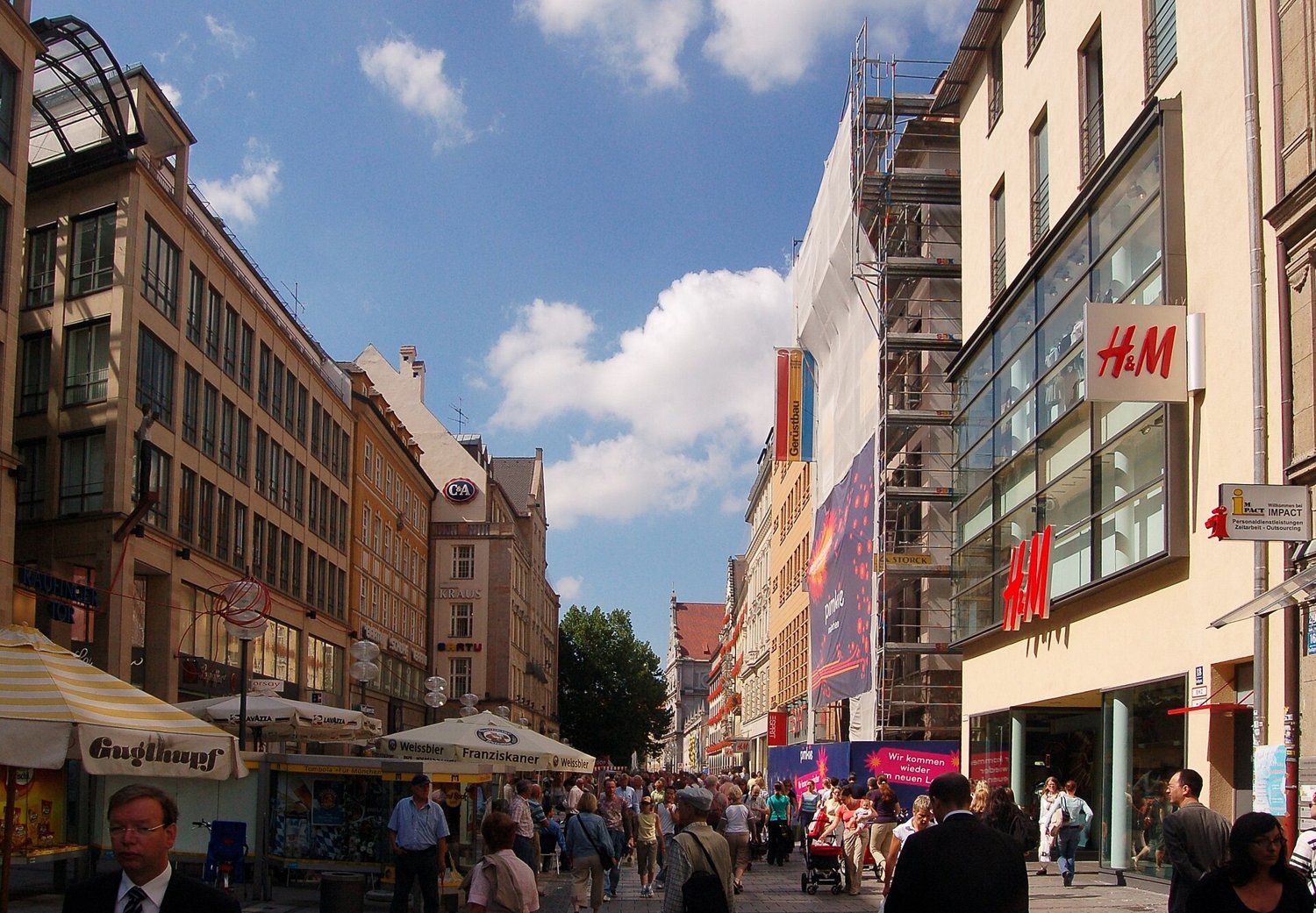
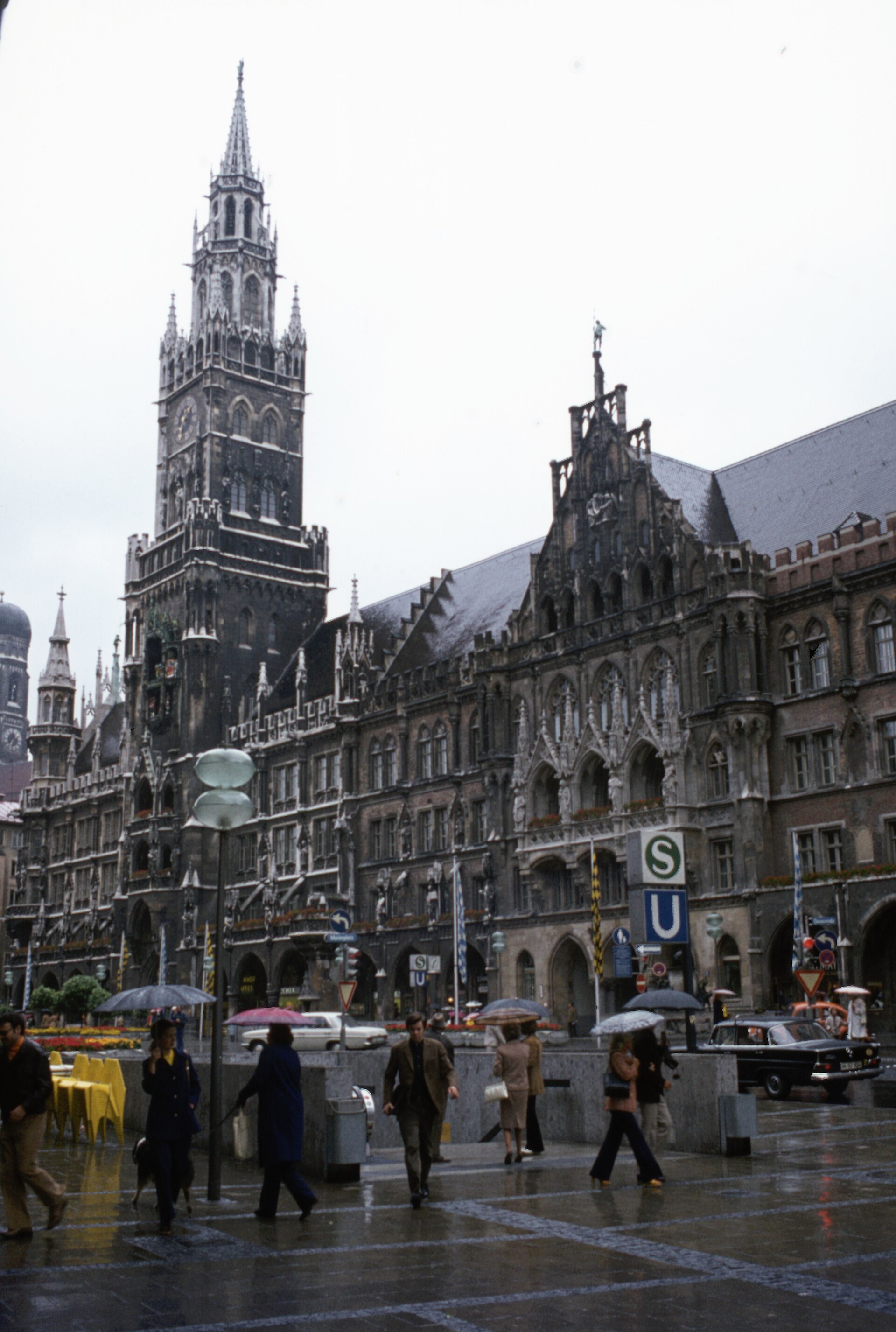 MarienplatzFree · the Glockenspiel is free too
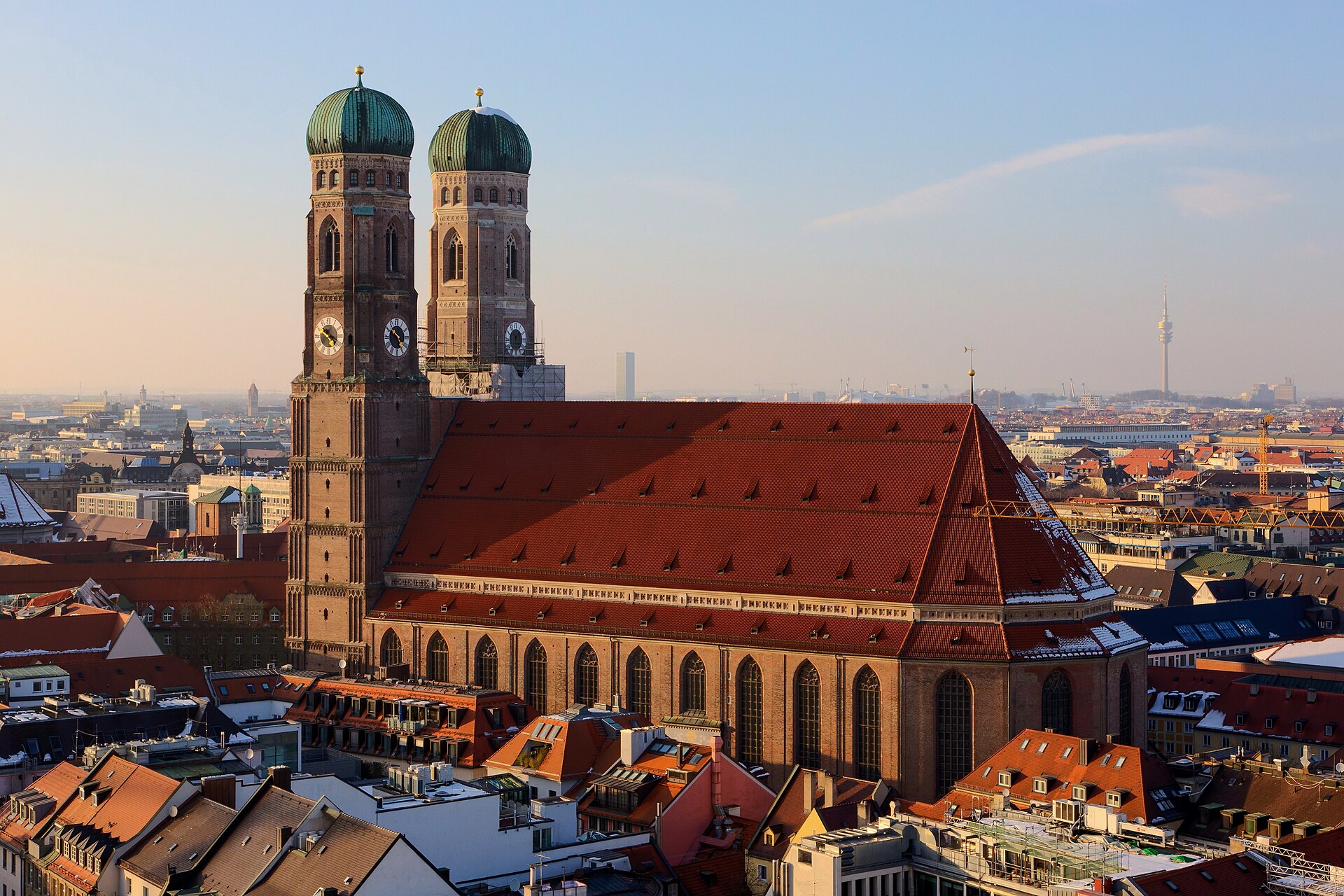 The FrauenkircheFree inside · ticketed to climb
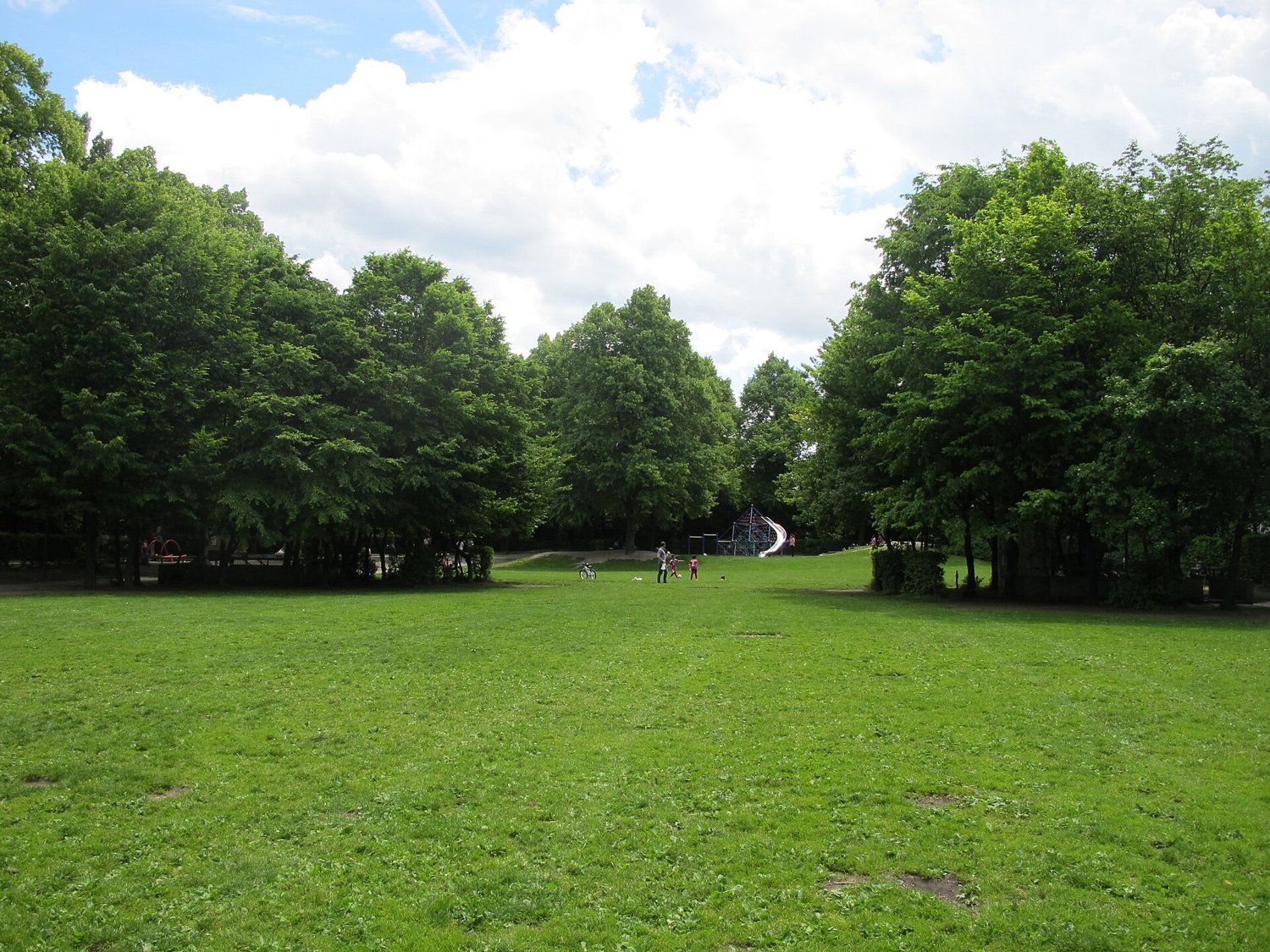
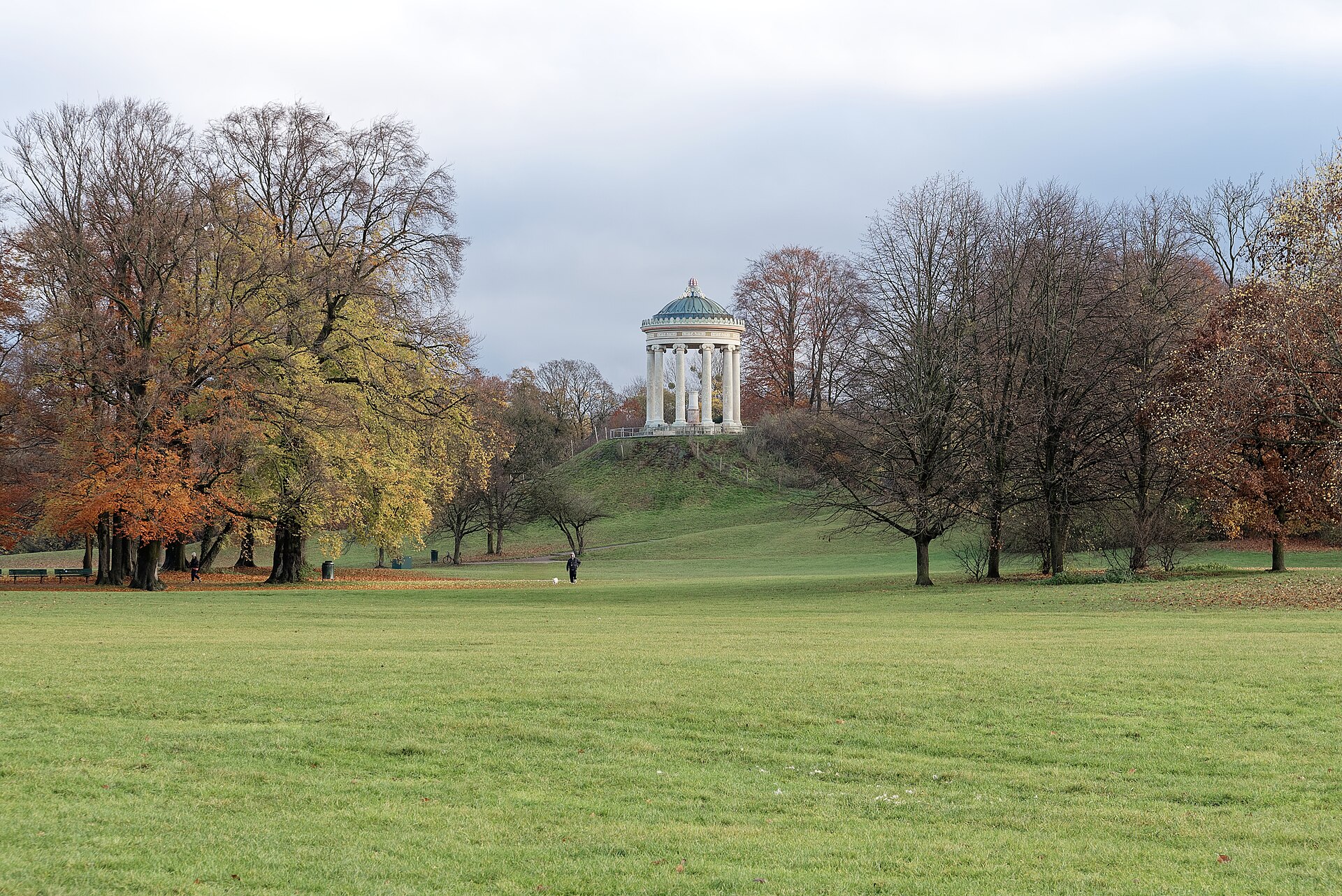 The English GardenFree · bring your own food to the beer garden
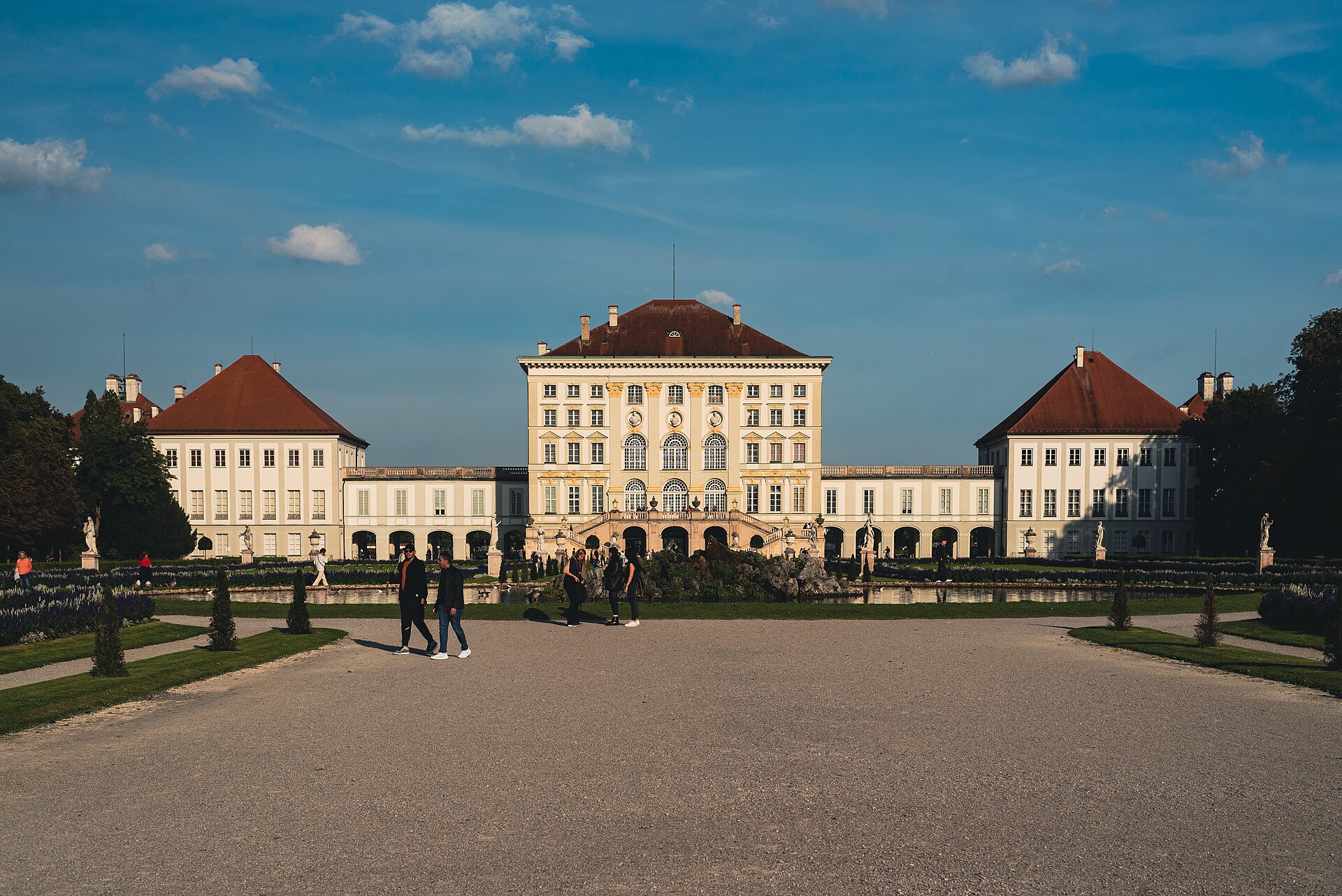 Nymphenburg PalacePark free · pavilions shut in winter
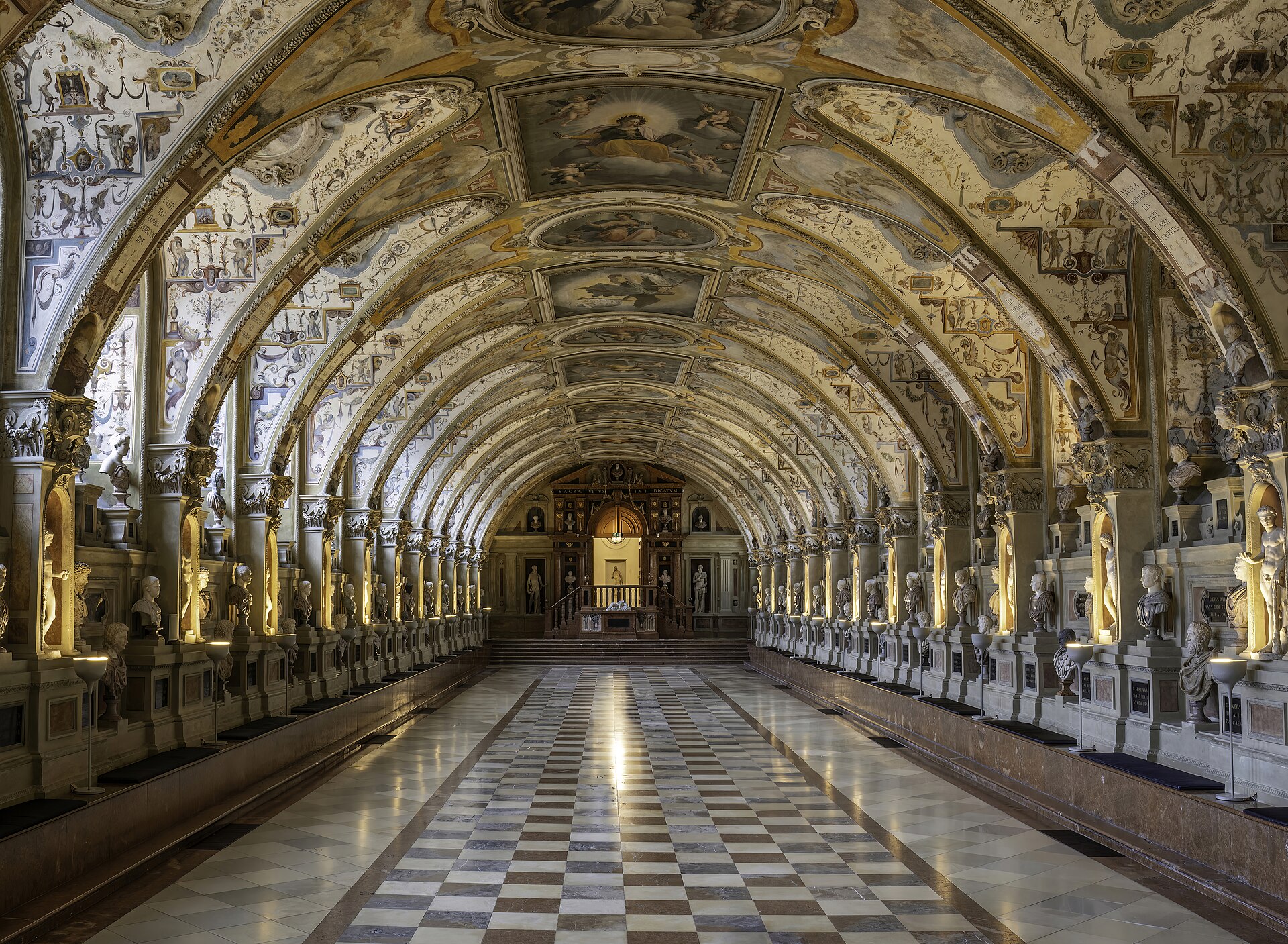 The Munich ResidenzThree tickets, or one combined
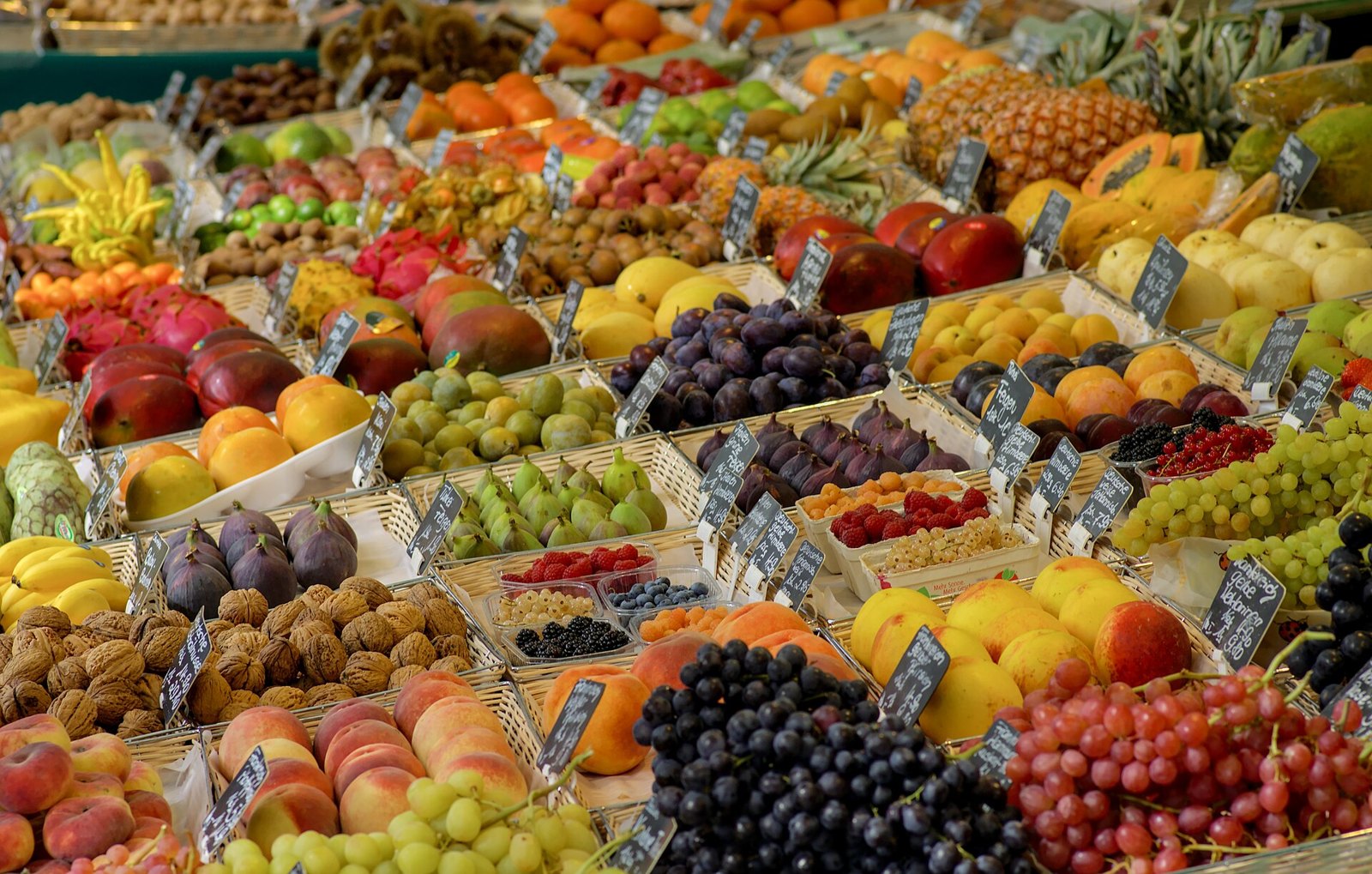
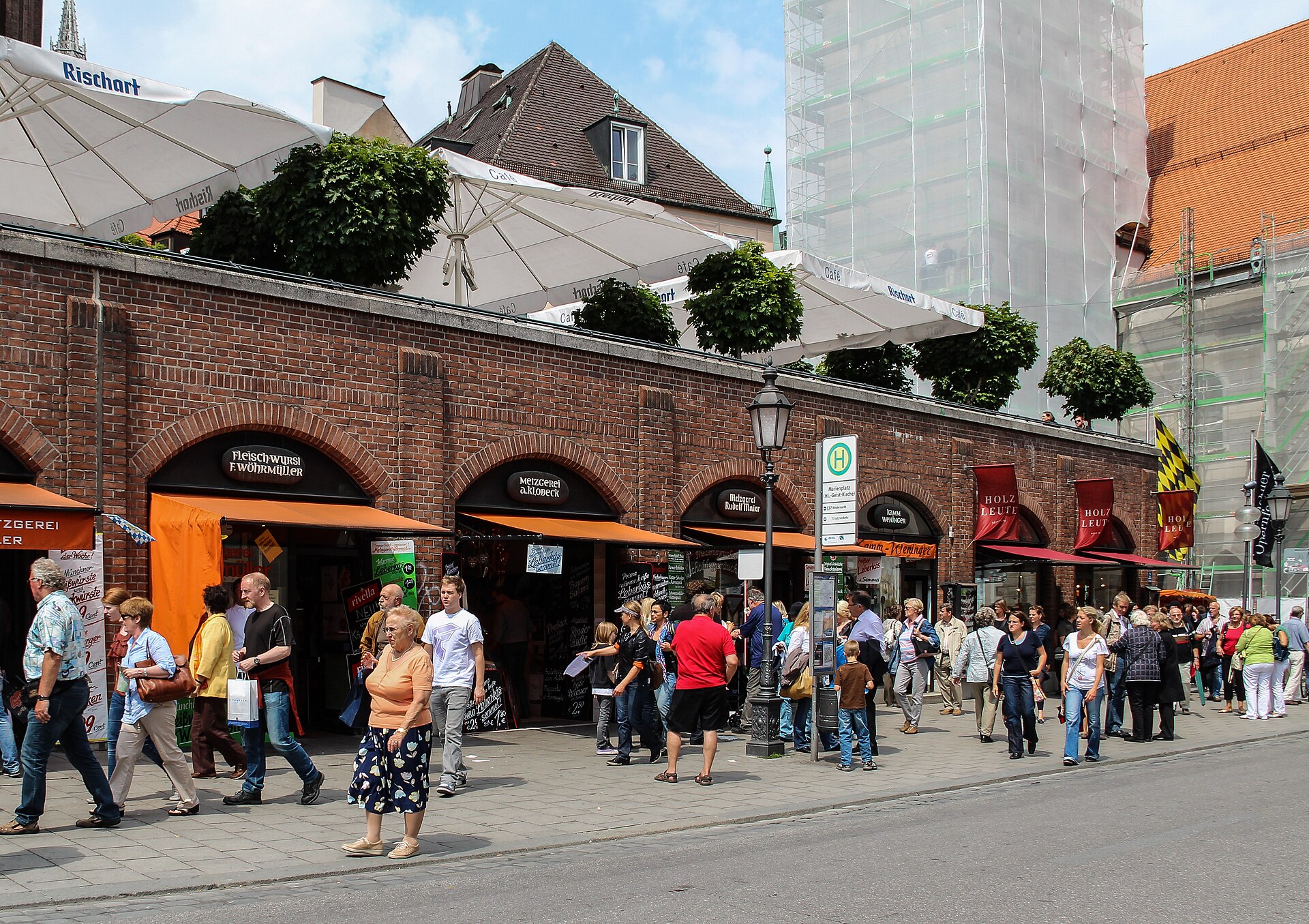 The ViktualienmarktFree to walk · shut Sunday
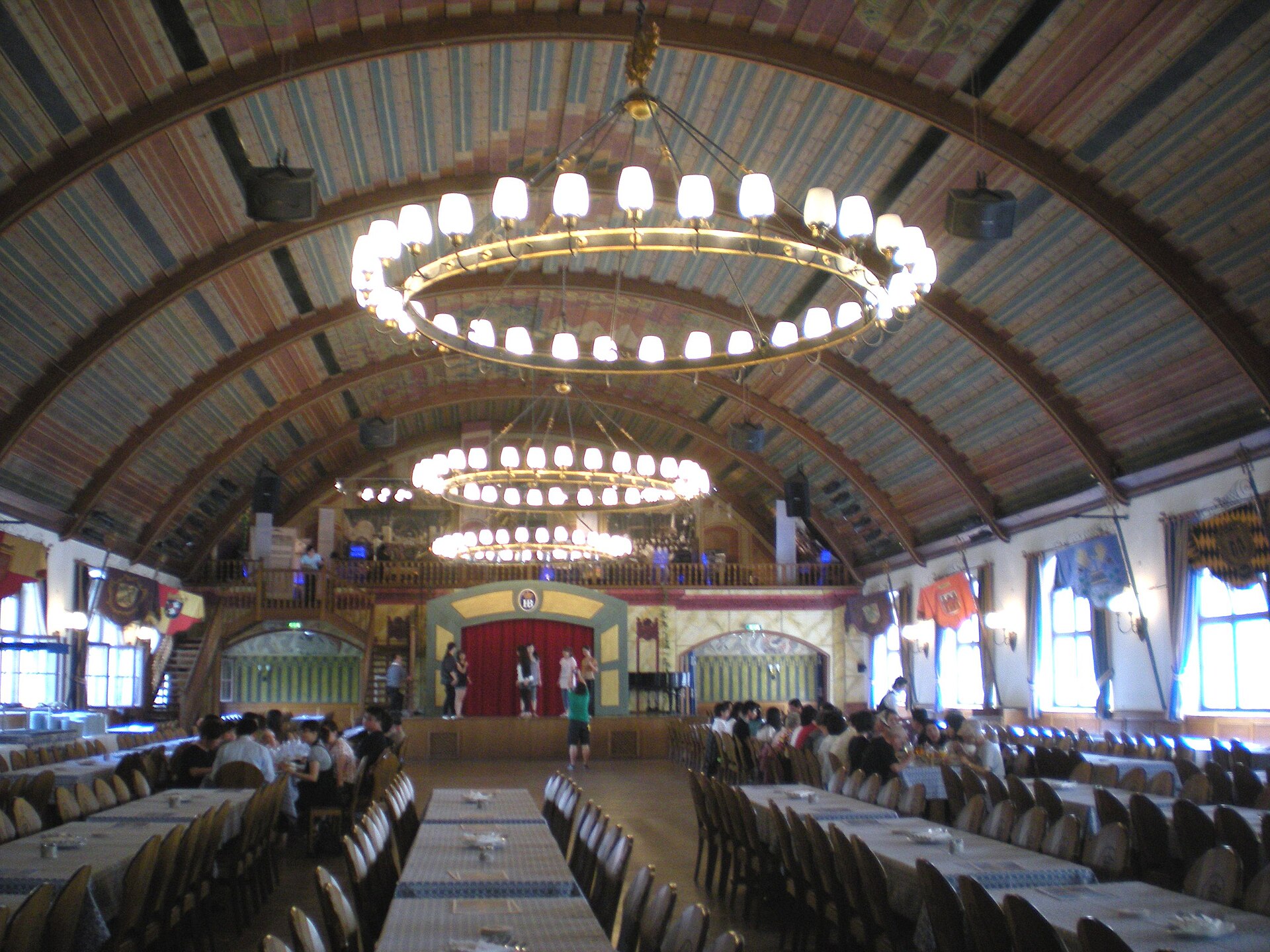 The HofbräuhausNo entrance fee · you pay for the beer
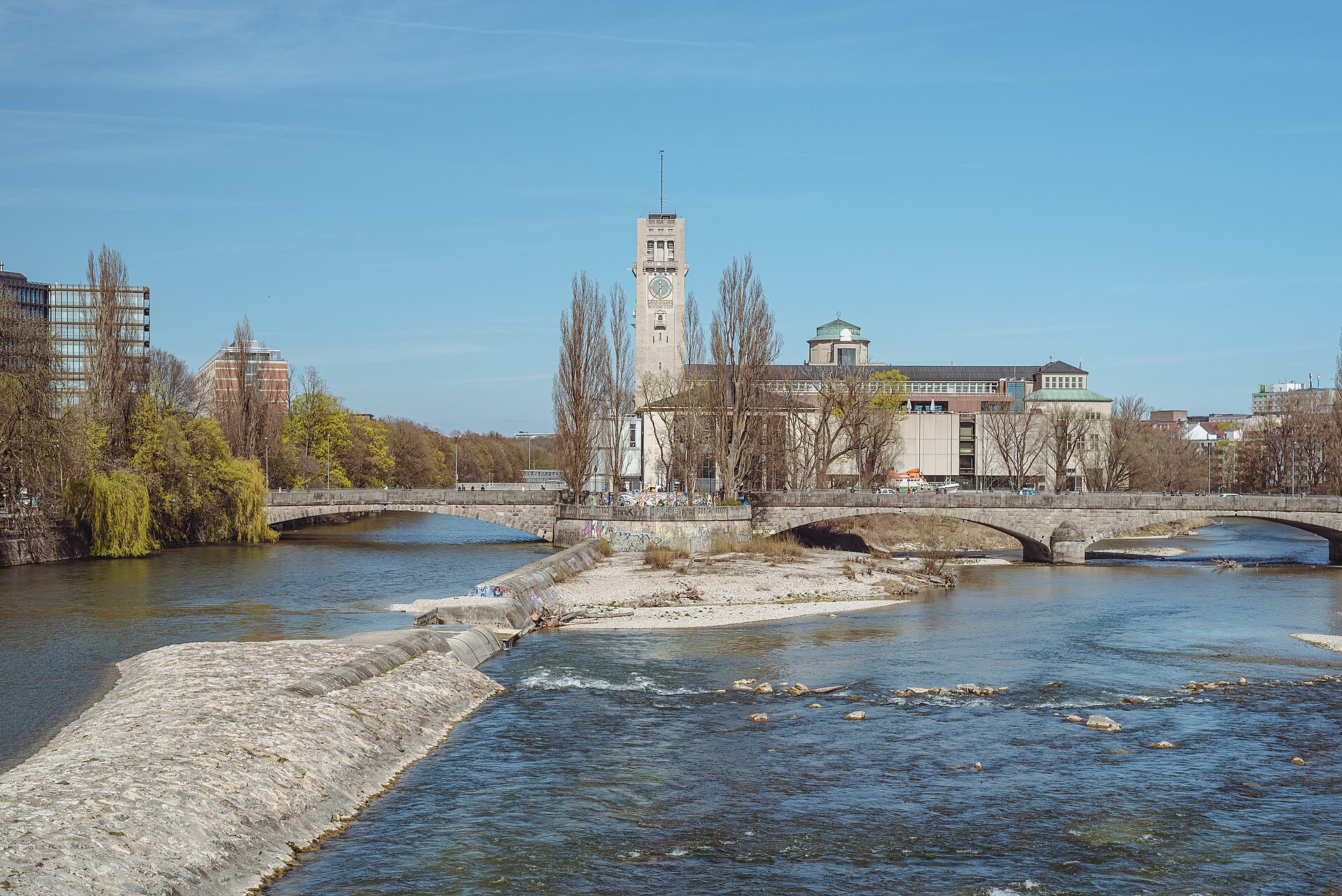 The Deutsches MuseumTicketed · allow half a day
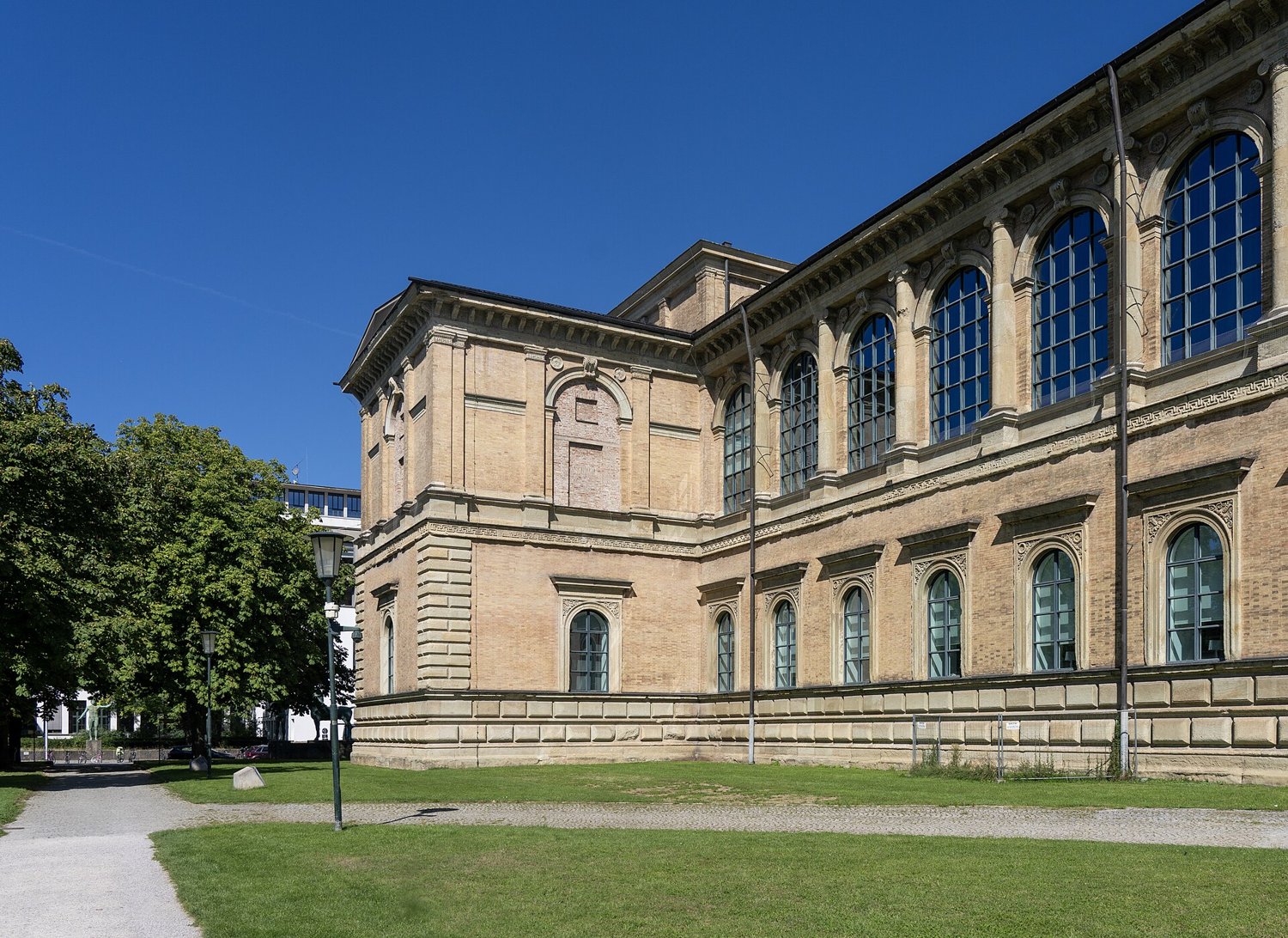
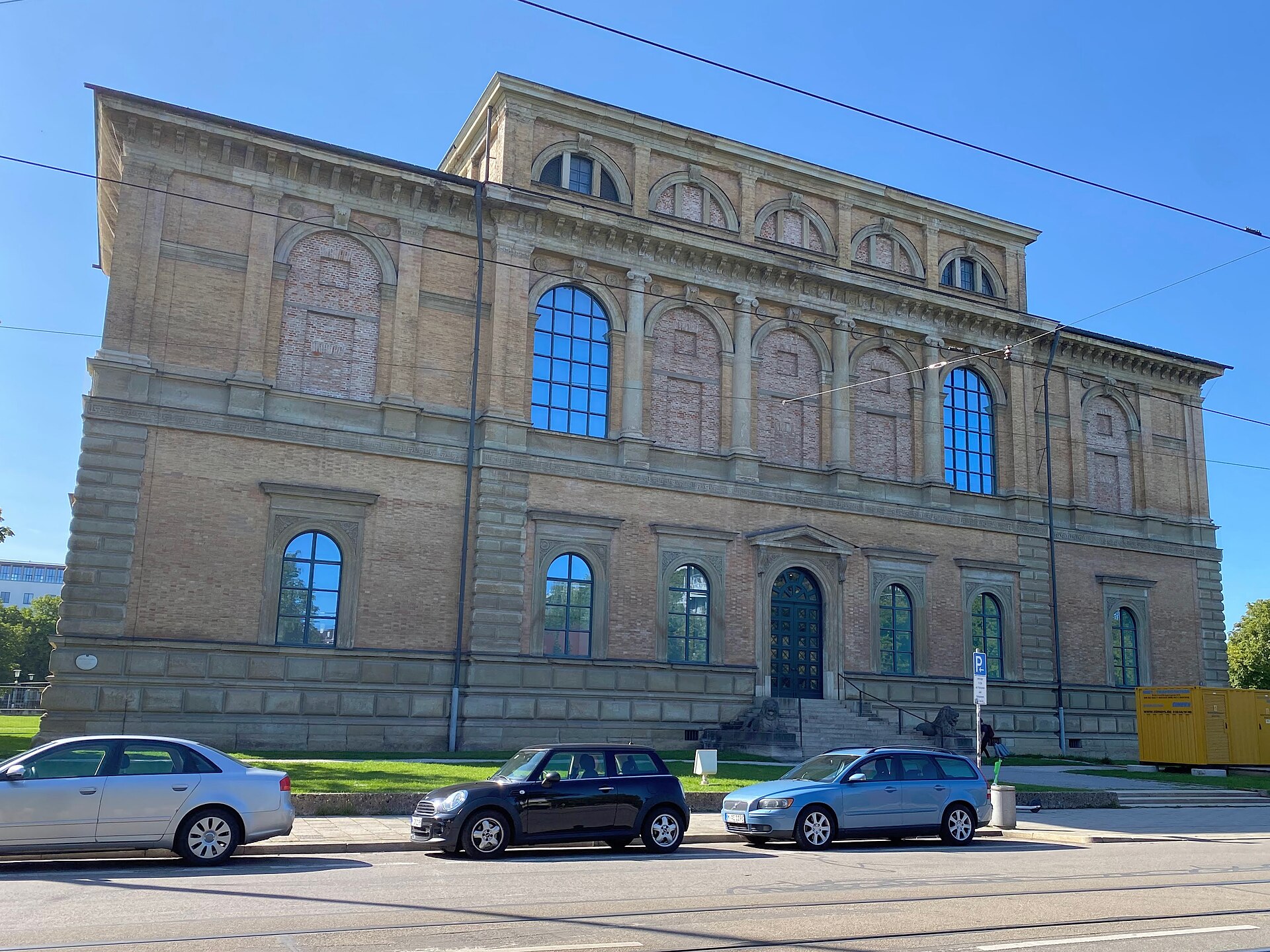 The Alte PinakothekNominal admission on a SUNDAY
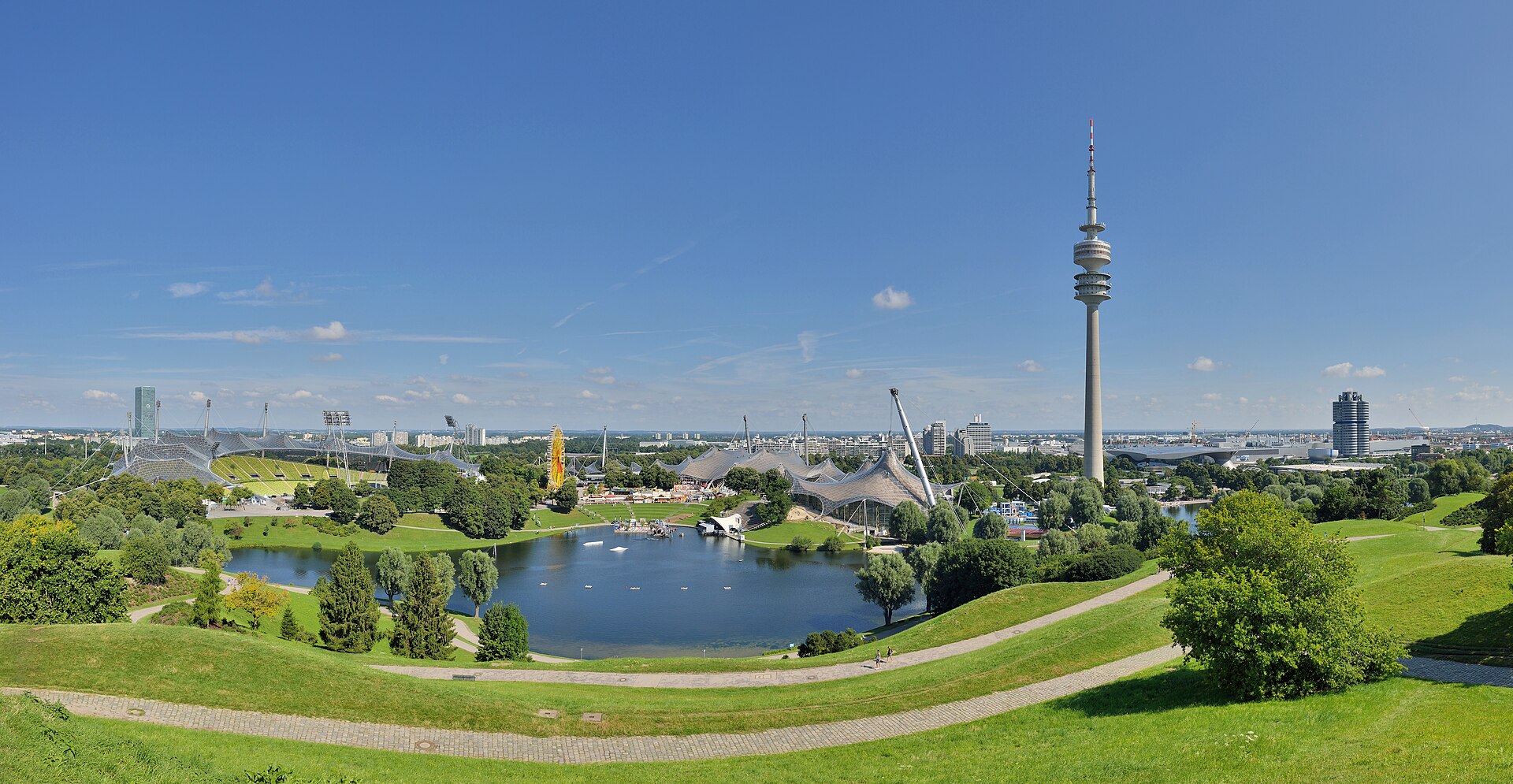 The OlympiaparkPark free · tower and roof ticketed
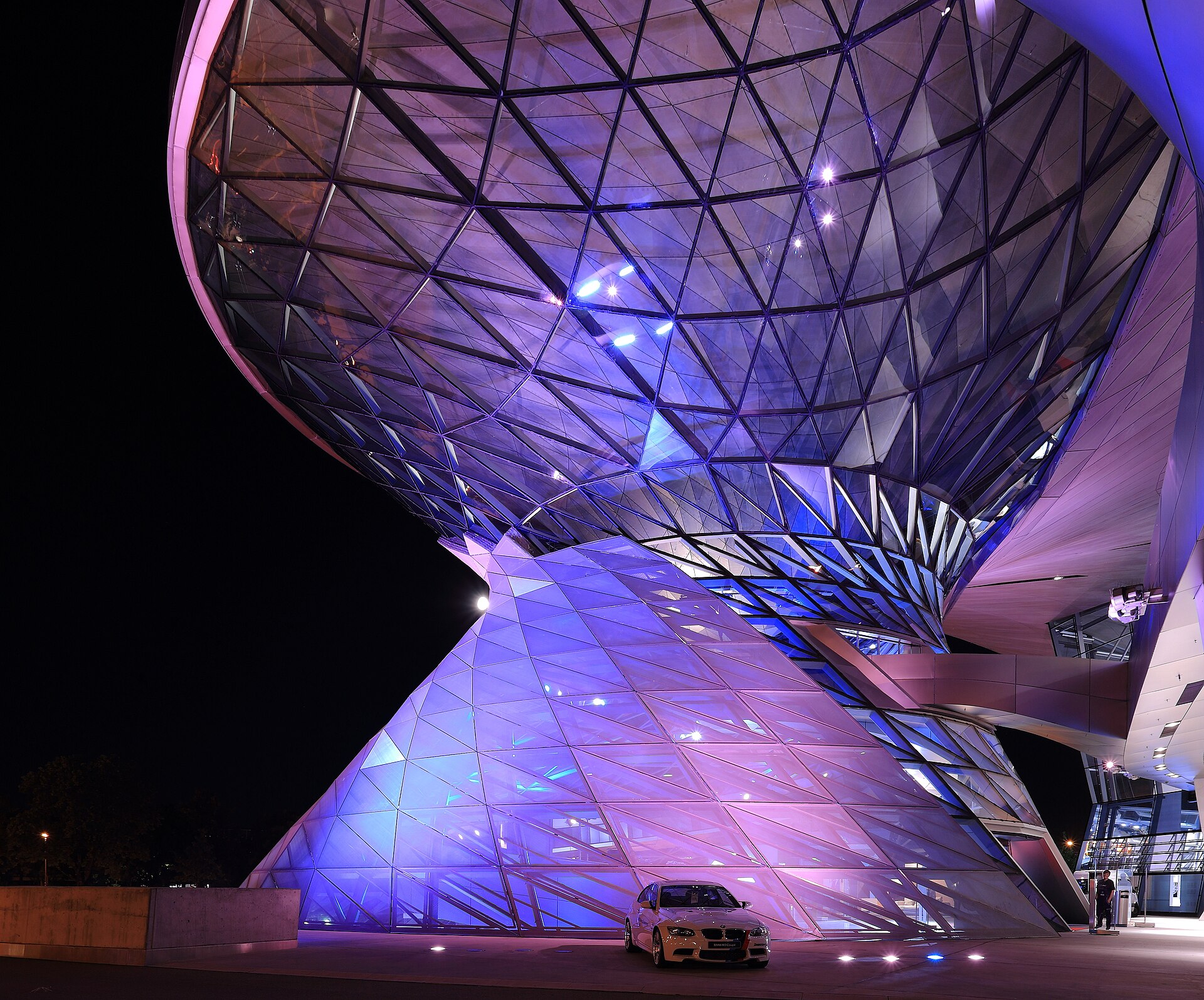 BMW Welt and the BMW MuseumWelt free · the museum is not
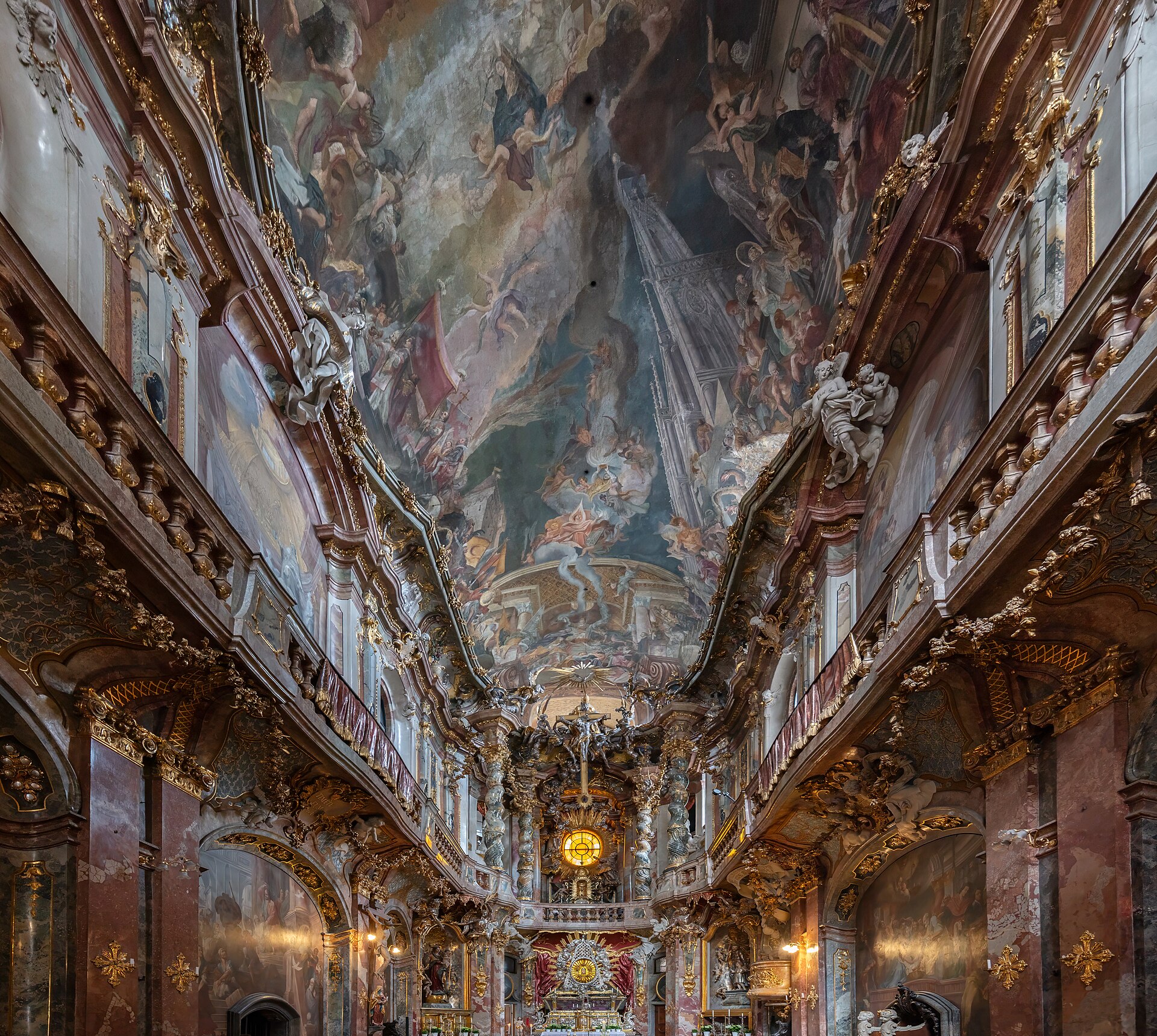 The AsamkircheFree · the most overwhelming room in the city
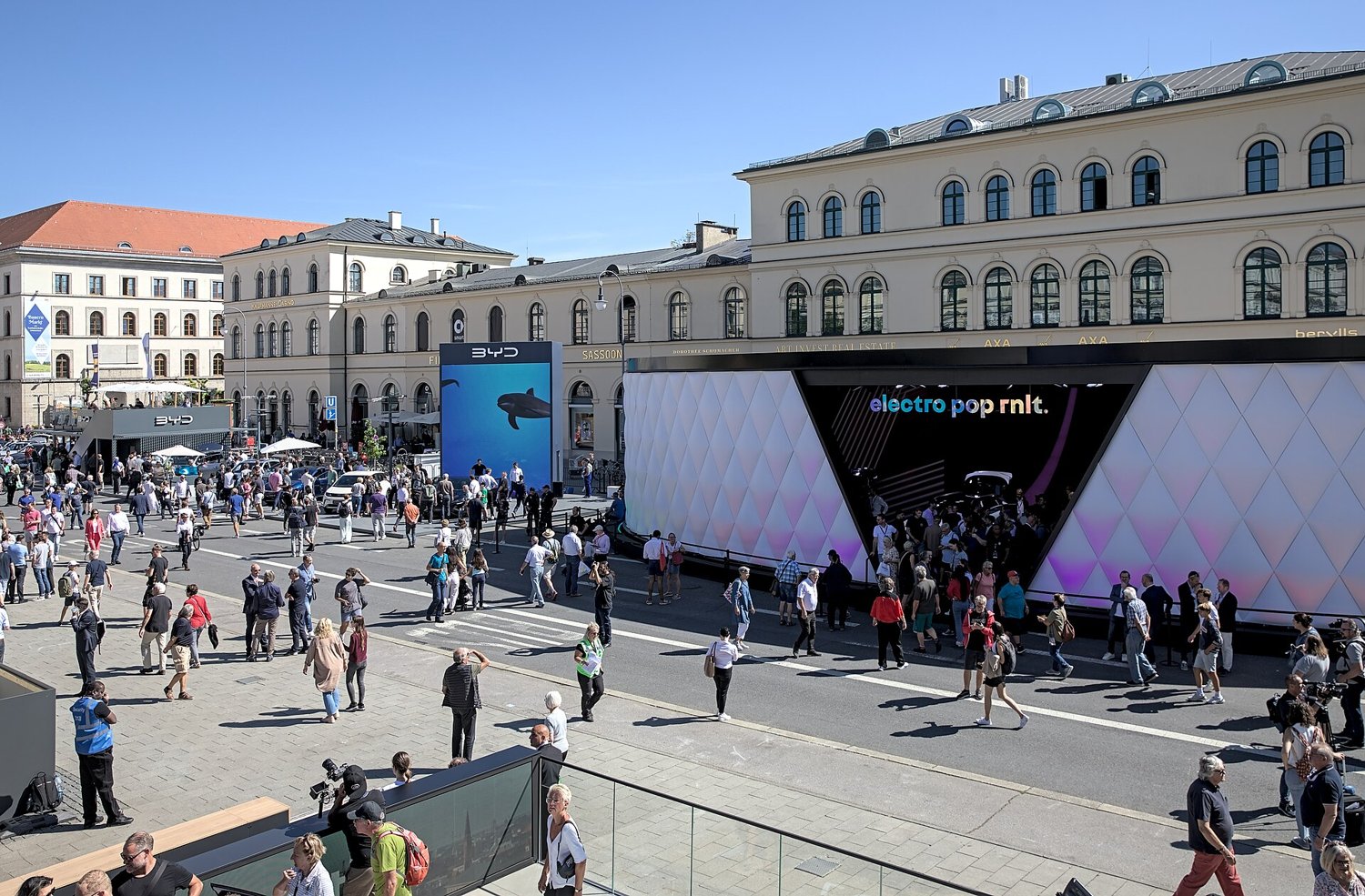
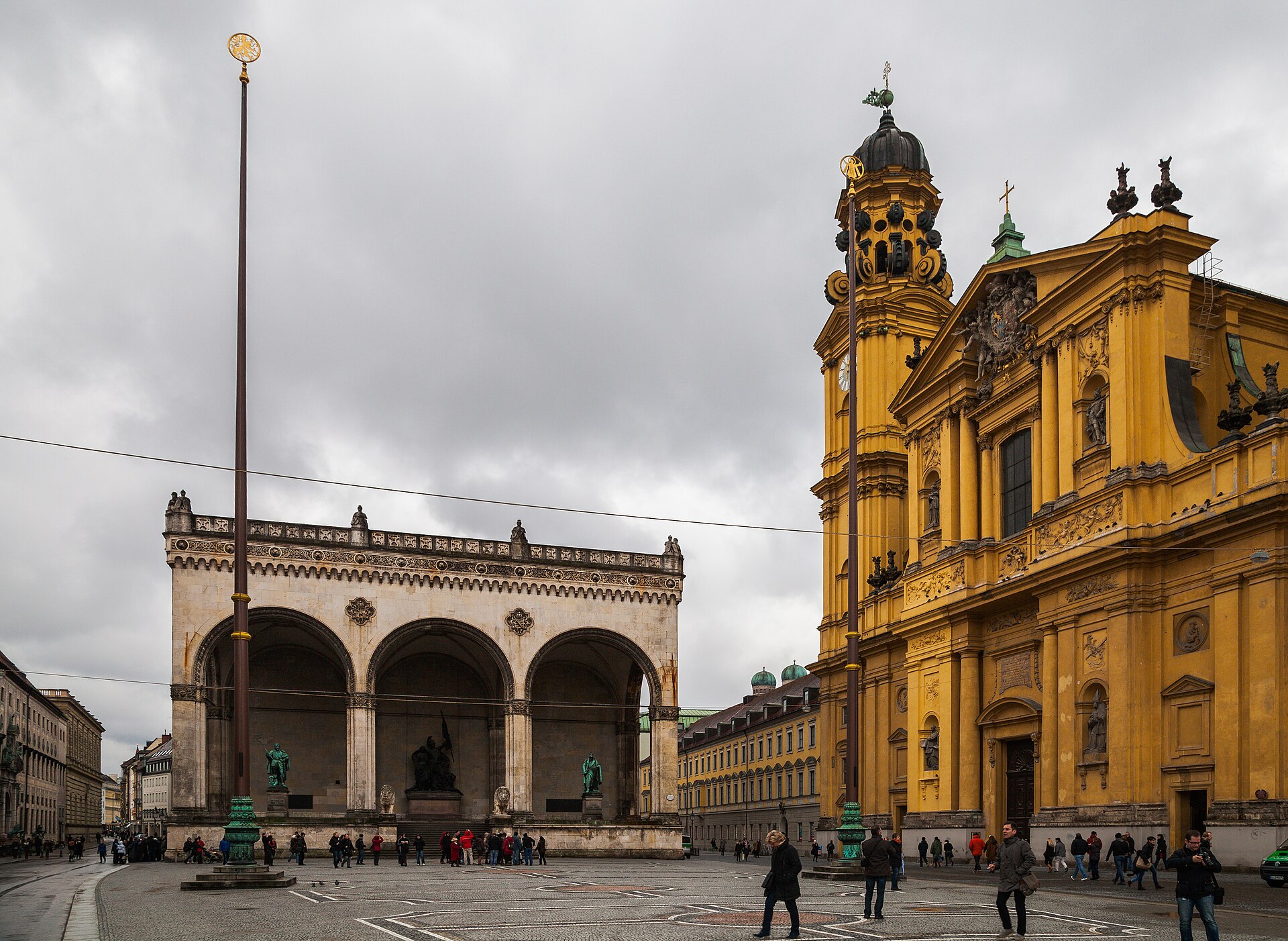 OdeonsplatzFree · and the lane behind it
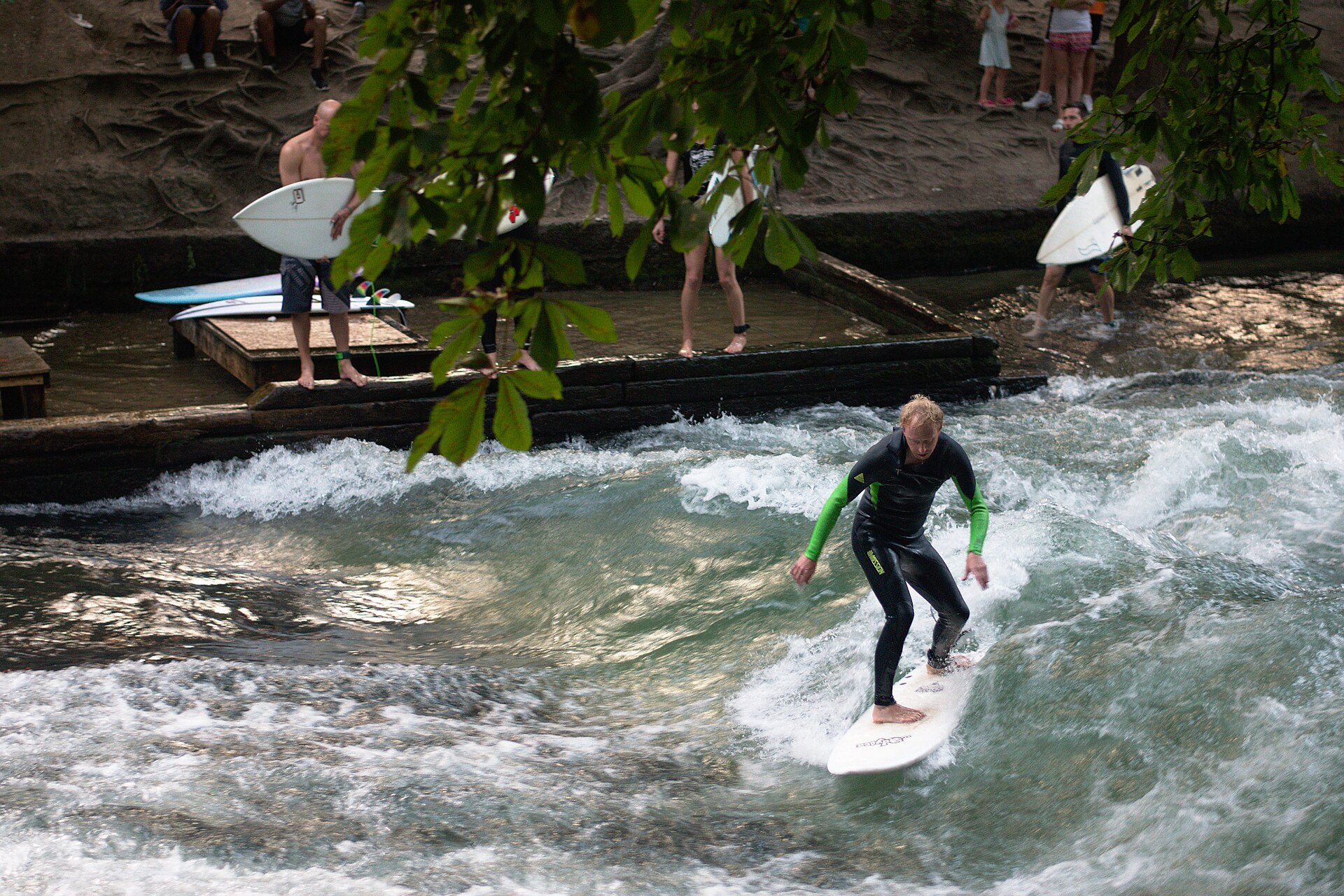 The Eisbach WaveFree · the best free spectacle in Munich
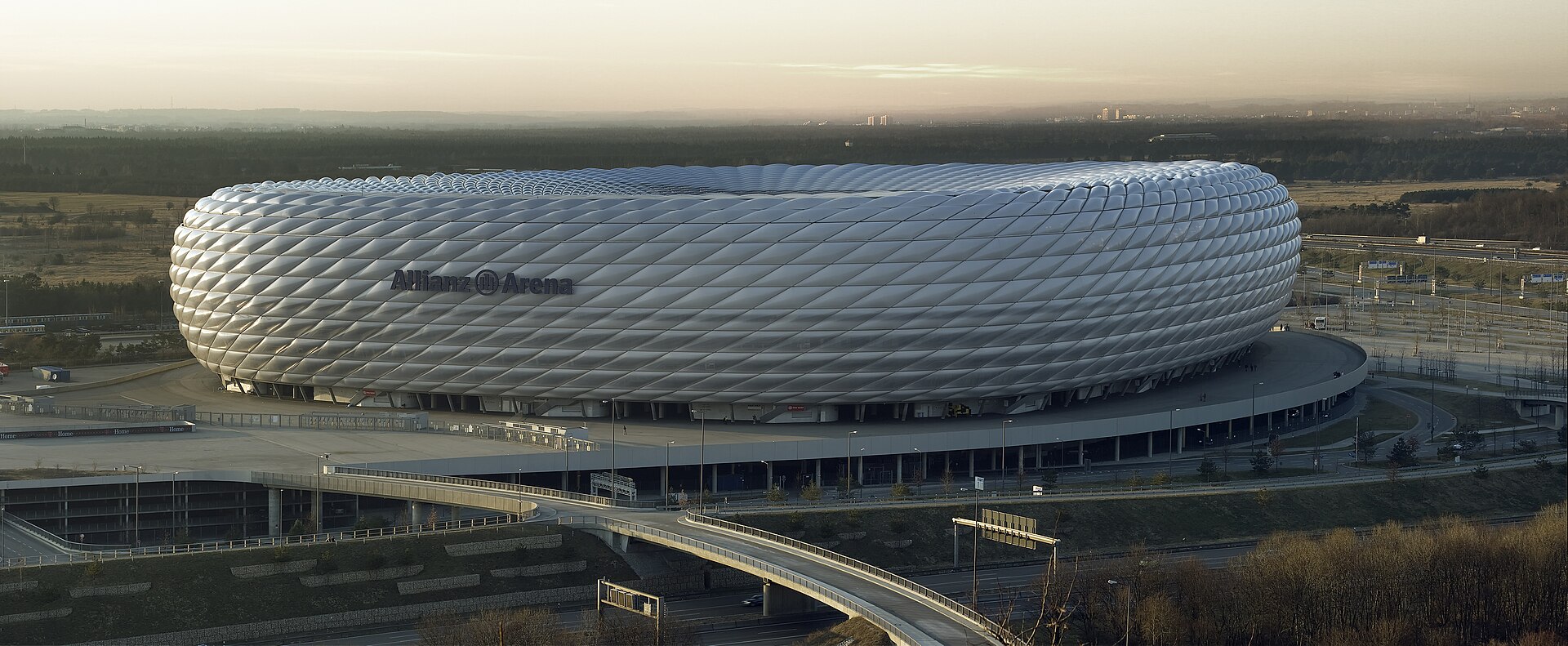 The Allianz ArenaFree outside · tours on non-match days
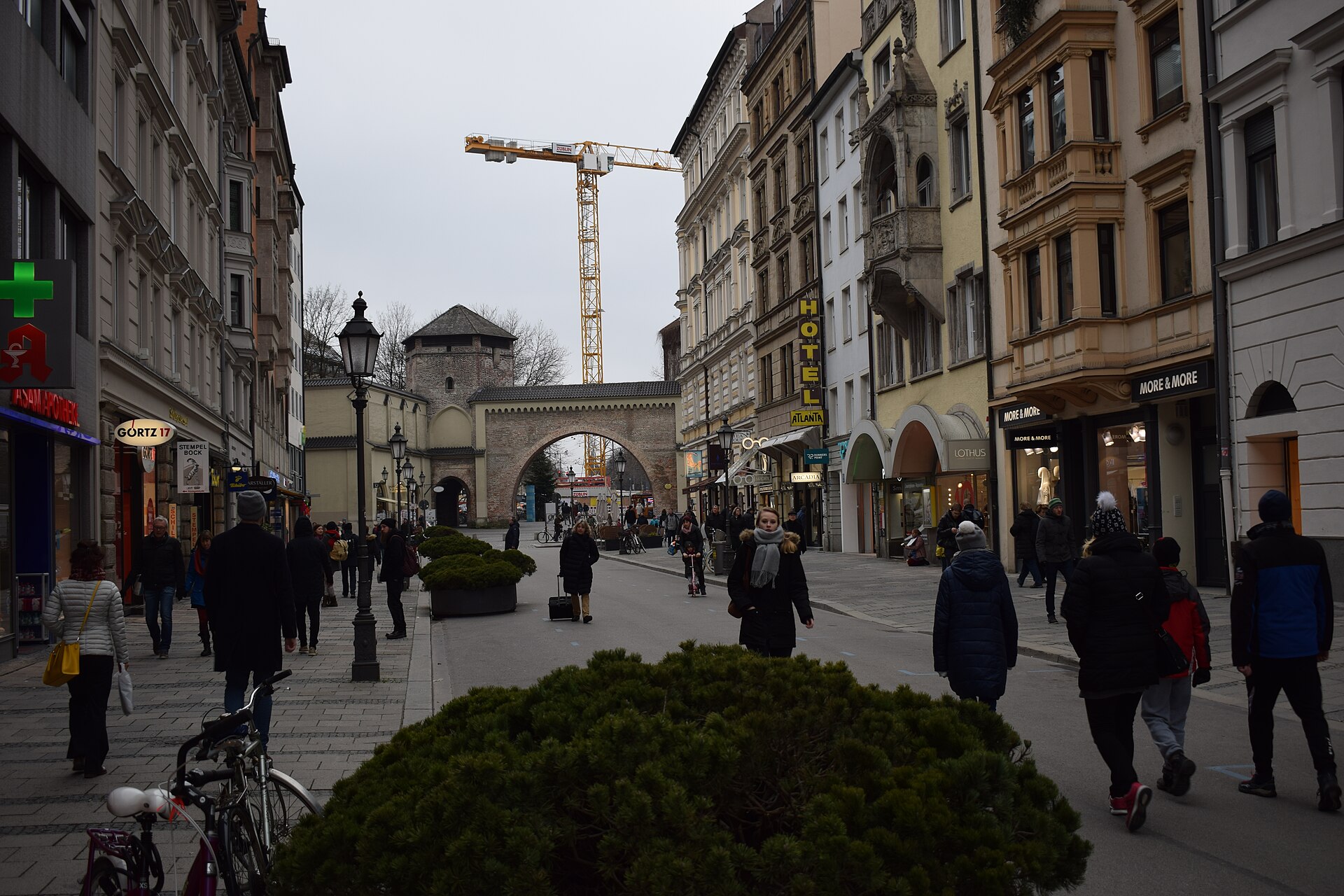 The Sendlinger TorFree · walk through it
Sight photographs by foundin_a_attic, Martin Falbisoner, Jakub Hałun, Flocci Nivis, Wilfredor, Dietmar Rabich, Tony Castle, -wuppertaler, Wladyslaw Sojka, Diego Delso and Richard Bartz, Munich aka Makro Freak, via Wikimedia Commons, under CC BY, CC BY-SA, CC0 and public-domain licences. Each sight’s own page carries its full credit and licence.
All sixteen, with what each ticket covers and when the crowd arrives →
Plans by how long you have
Written plans rather than lists, each built around what is shut on the day you are here — and around the Sunday rule, which is the opposite of the usual advice.
Where things live
Eleven sections. Each one is a line, and each article is a stop on it.
Start with a system
The site is being written now. Each section already carries an overview of what it covers, and articles arrive about two a week rather than all at once.
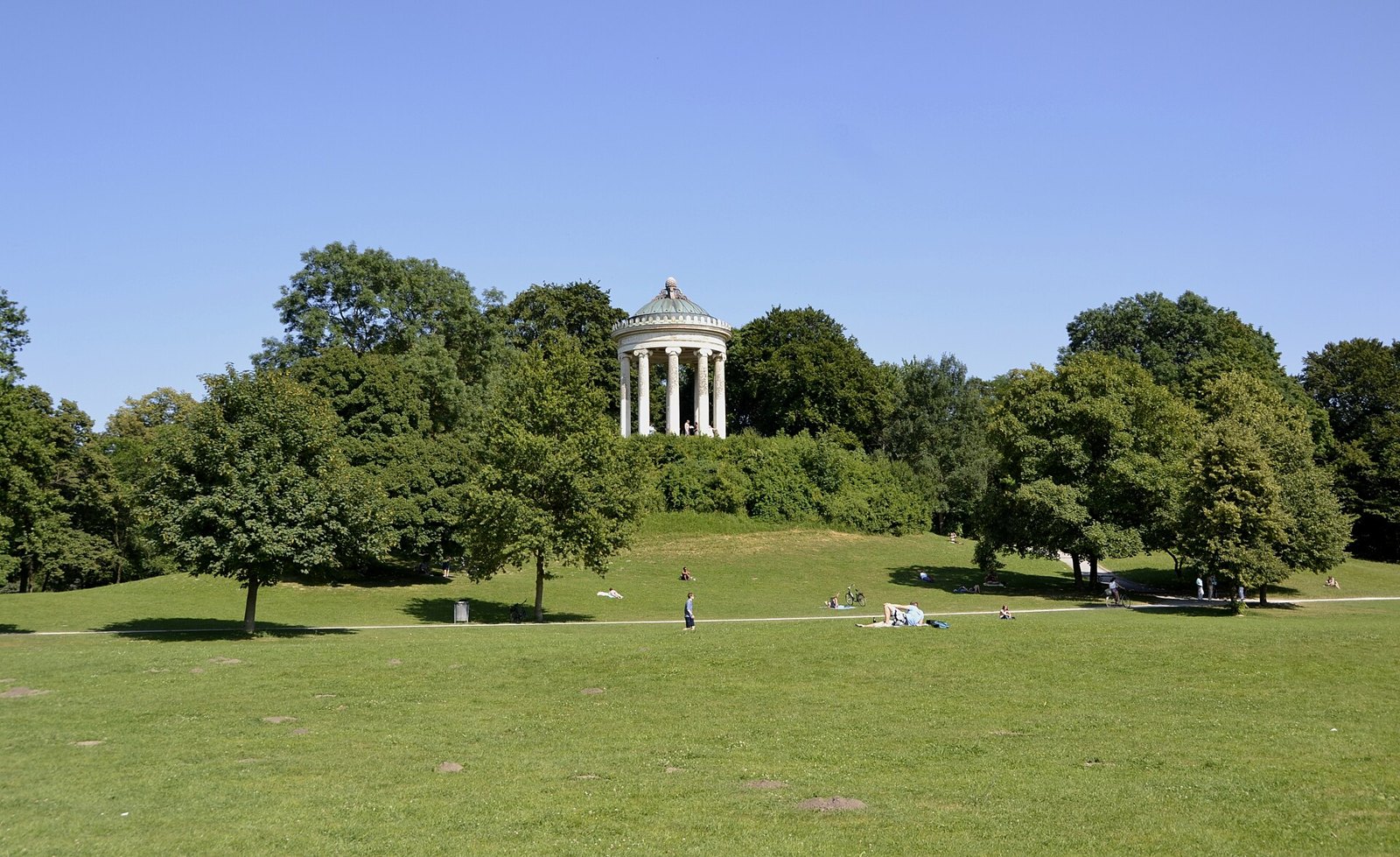

The Englischer Garten is a fair example of why the everyday detail matters more than the postcard: at 375 hectares it is larger than Central Park, it is free, it is open at night, and the part most visitors see is the first ten minutes of it.