Munich’s global reputation is beer, and almost everything written about it for visitors is atmosphere rather than information. The practical version is more interesting, and it starts with a legal definition.
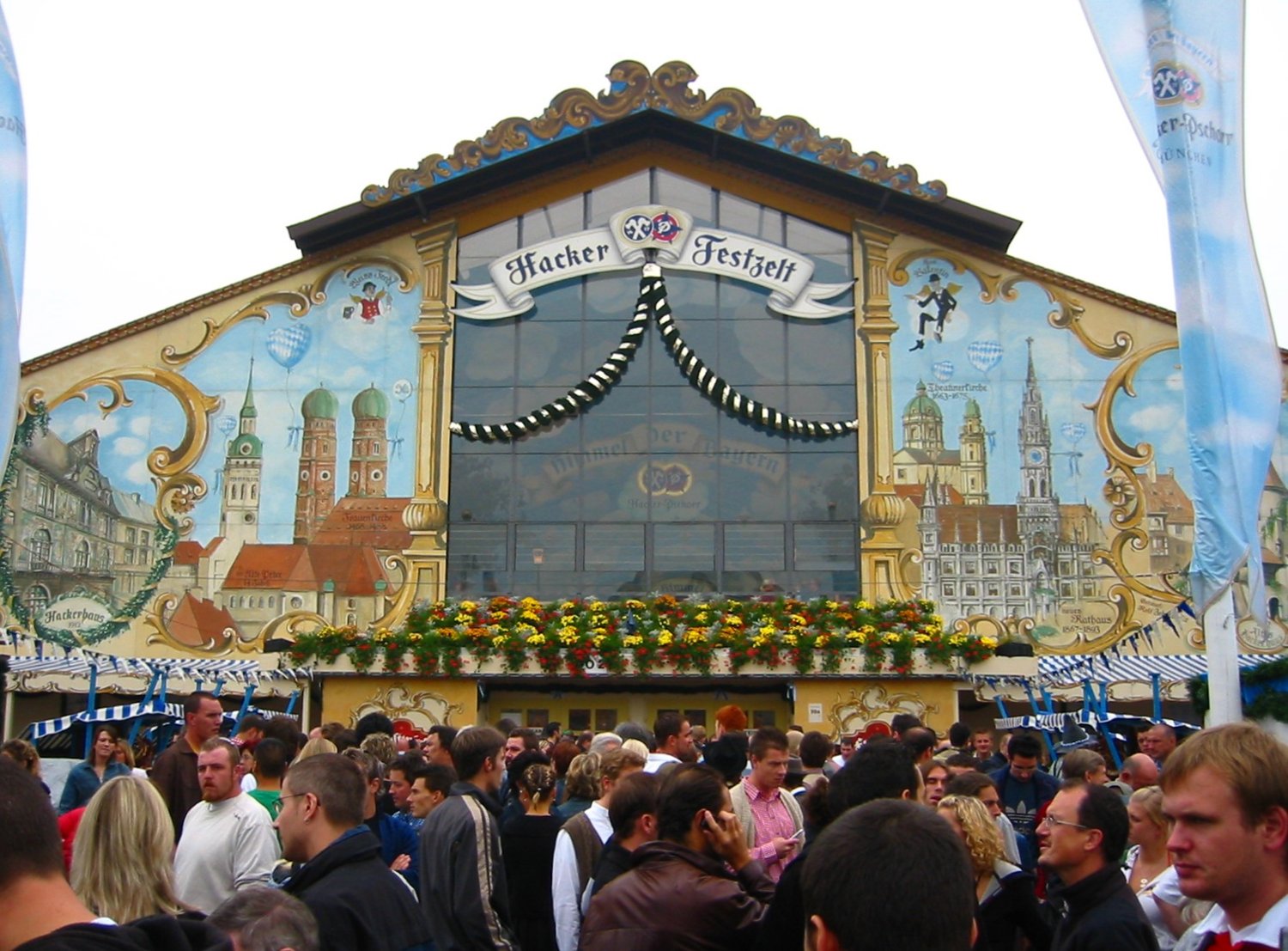

A beer garden is a legal category
Not a style, not a decor — a category. Traditional Bavarian beer gardens must allow you to bring your own food and buy only the drink. That one rule explains the tables of people with their own bread, radishes and cutting boards: they are using the garden exactly as intended, not being cheap.
The chestnut trees over the older gardens were planted for a practical reason too — they shaded the cellars where beer was stored before refrigeration existed.
Oktoberfest is mostly in September
This is the thing people get wrong every single year. The festival runs from mid-September to the first Sunday in October — in 2026, from 19 September to 4 October. The name is a leftover from 1810, when the original royal wedding celebration really was in October; the dates moved because September evenings in Bavaria are warmer.
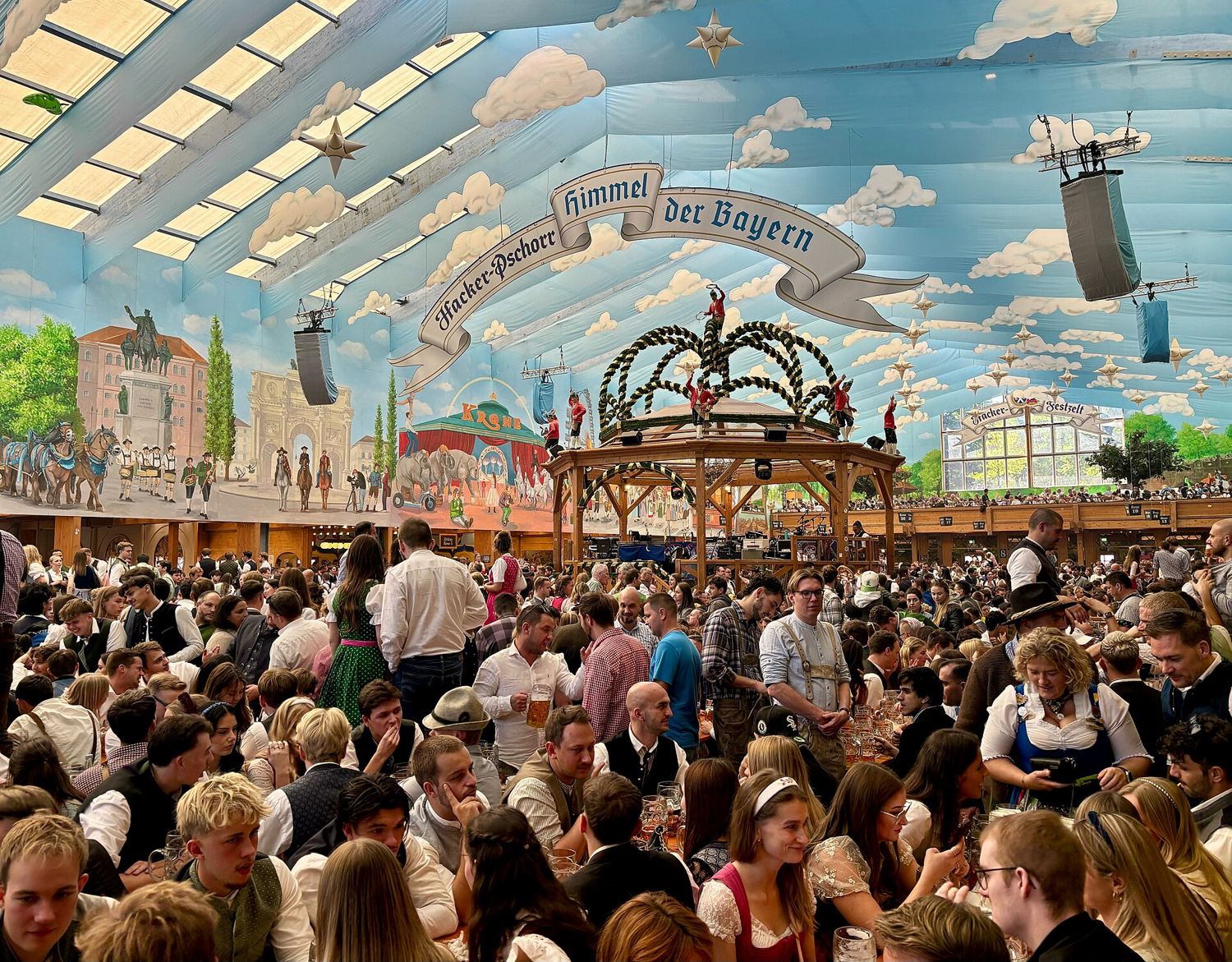

It is a Volksfest — a funfair with beer tents attached — drawing around seven million people to the Theresienwiese. Only the six Munich breweries may pour there. Entry to the grounds and the tents is free; reservations take most of the seating at peak times, and a table without one is a matter of arriving early.
The rest of the year
The beer gardens do the work. They function as public space as much as hospitality, and they are where the city actually drinks — the tents are two weeks a year. The breweries, the gardens and the rules.
Where to go next
- Beer & Breweries — the six breweries and the garden rules
- Food & Markets — the Wirtshaus and the Viktualienmarkt
- Planning & Practicalities — what Oktoberfest does to the city
Dates per the official Oktoberfest calendar for 2026; checked 3 September 2026.