The parts of Munich you go and look at, with what each costs, what is free, and when it is shut. We have not visited these places; everything here is checked against the institution’s own published information and dated.

Start with what is free
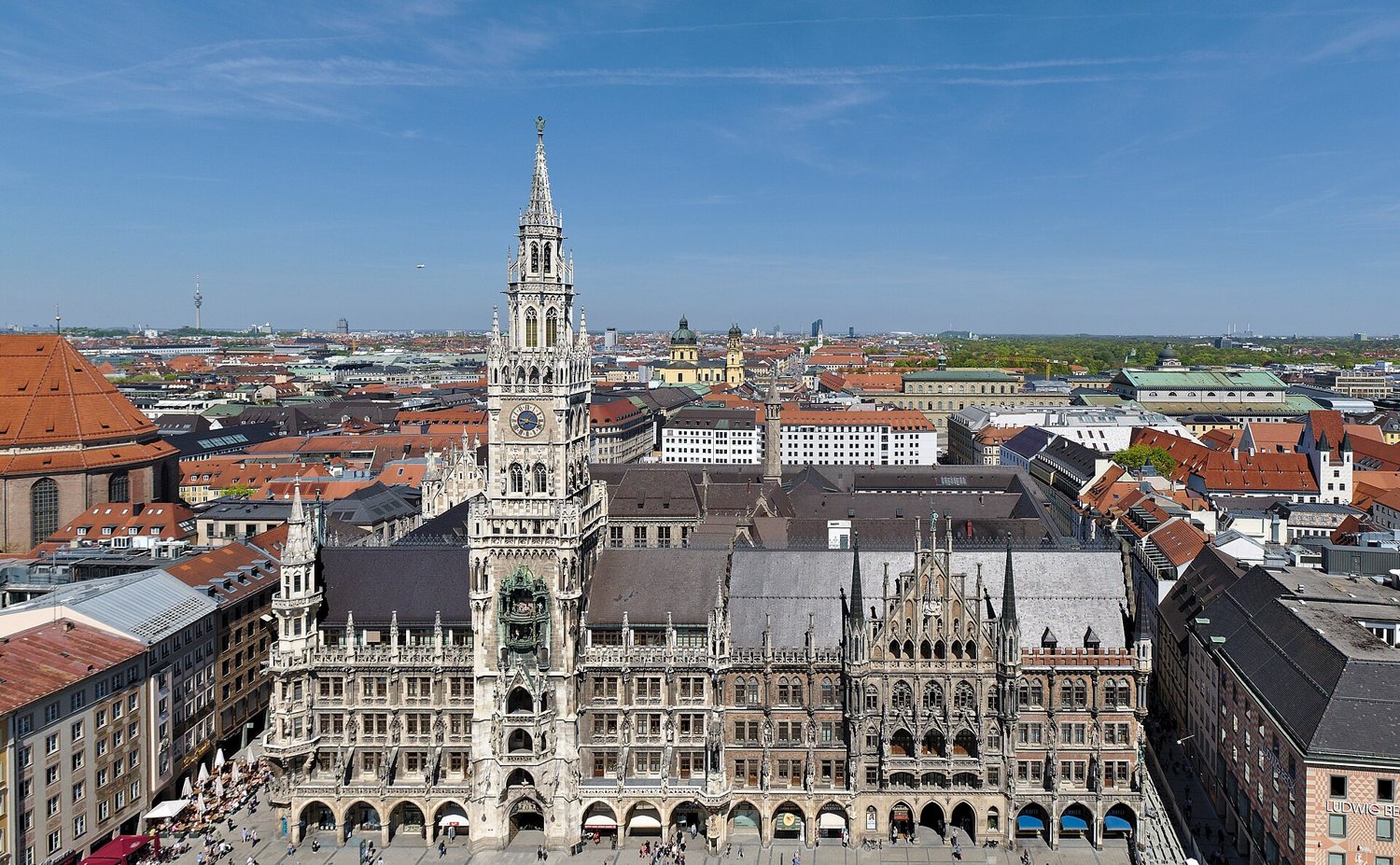
Munich is unusually generous with its centre. Marienplatz, the courtyards of the Residenz, the nave of the Frauenkirche and the whole of the old town cost nothing. The Glockenspiel performs daily in the Neues Rathaus tower and you watch it from the square for free — the lift up the tower is what you pay for.
The Englischer Garten is free and open at night, and at 375 hectares it is larger than Central Park. The Eisbach surfers at its southern edge cost nothing to watch and are the most photographed thing in the city that is neither a church nor a beer tent.
What is worth paying for
Height and interiors. St. Peter’s — the Alter Peter — gives the better tower view precisely because the Rathaus is in front of it. The Residenz interiors and the Deutsches Museum are the two that reward a whole afternoon.
The single most useful money fact in the city: the state art collections in the Kunstareal charge a nominal admission on Sundays instead of the full price. What each collection holds.

Out of the city
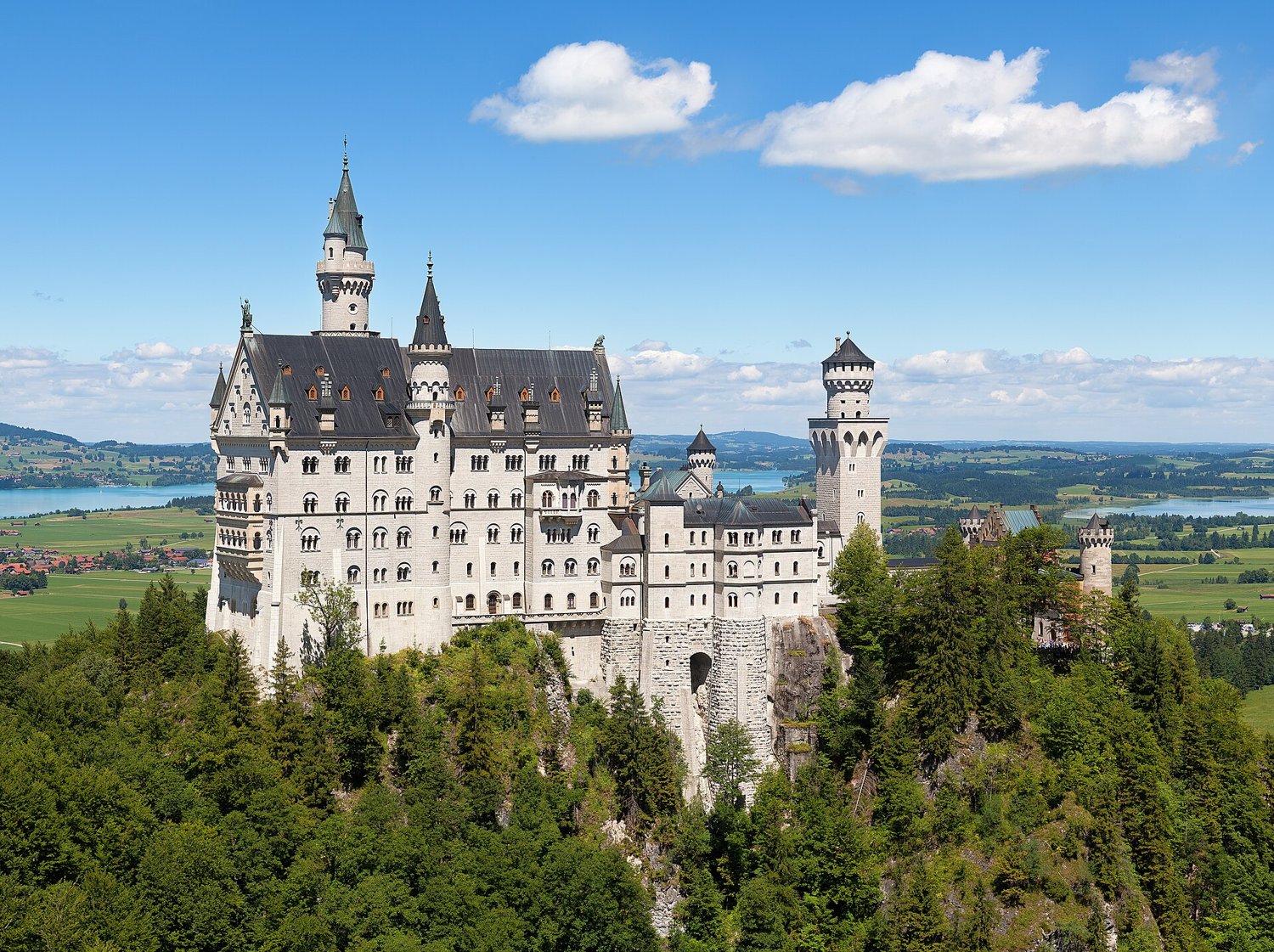
Neuschwanstein is roughly two hours each way and entry is by timed ticket only — it is a nineteenth-century fantasy castle, not a medieval one, and booking ahead is not optional in season. The lakes are closer and are what locals actually do. Day trips, with the fares.
Where to go next
- Landmarks & Sights — what costs, what is free, what is closed
- Museums & Galleries — and the Sunday price
- Neighbourhoods — the 25 Bezirke, by name
- Itineraries & Day Plans — sensible orders for a weekend
- Beer & Oktoberfest — the part everyone comes for
Prices and opening arrangements as published for 2026 and checked on 3 September 2026. Confirm with the institution before travelling.