
It seems we can’t find what you’re looking for. Perhaps searching can help.
Landmarks & Sights
Churches, palaces, squares and towers — what costs money, what is free, which climb is worth it, and when each is closed. Practical questions only, never history you can read anywhere.
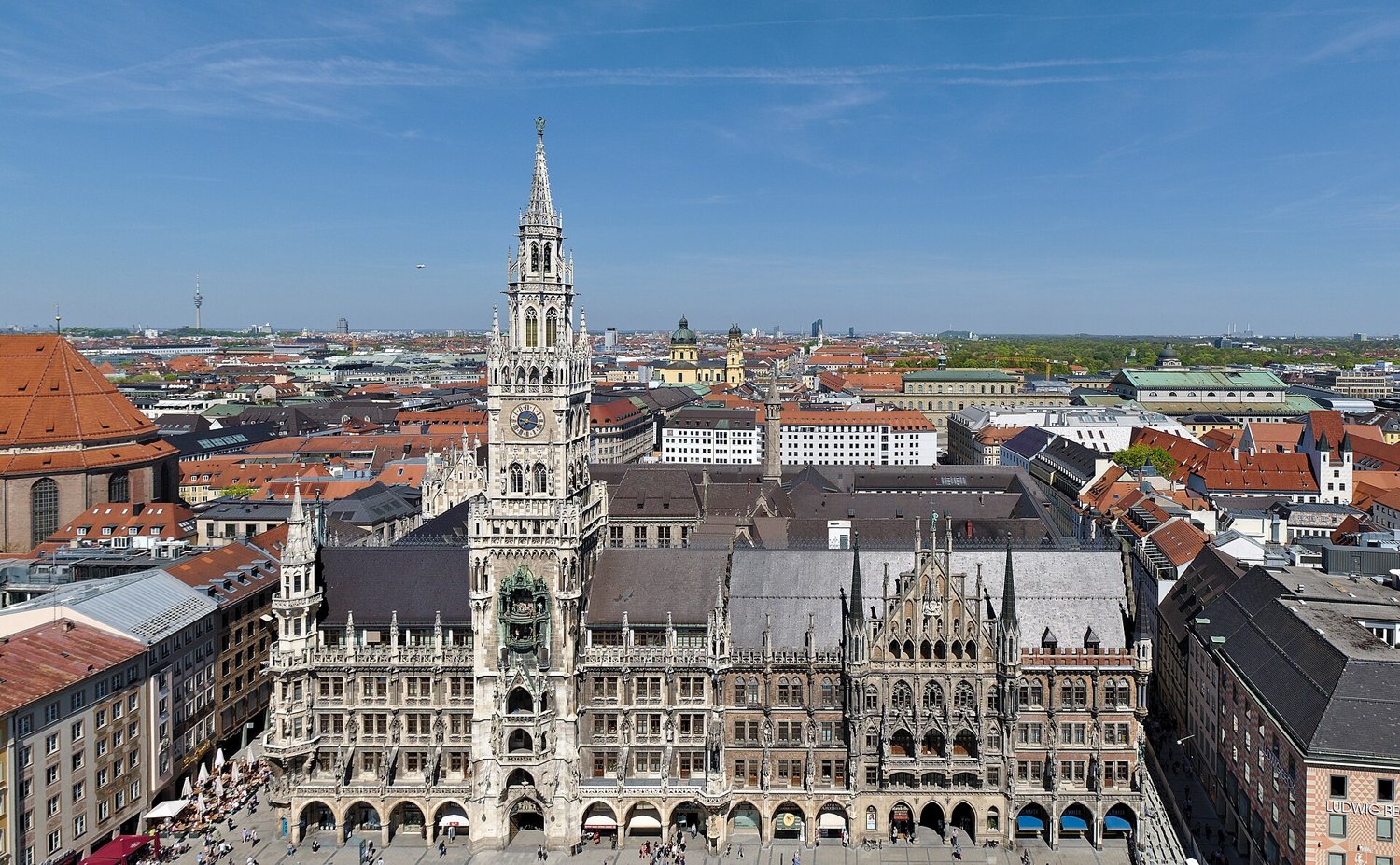
We write about sights as practical questions — what costs money, what is free, which entrance, and when the crowd arrives — rather than as history you can read anywhere.
Munich's rule has three parts. The parks, the squares and the market are free. The great state museums are close to free on a SUNDAY — a nominal admission at the same museums that charge a full price on a Tuesday. And the beer hall costs exactly what you drink, because there is no entrance fee and the brewery, not the room, sets the price.
That third one is what makes a Munich budget behave unlike Vienna's: the famous places are not the expensive ones.
Free, and worth the walk
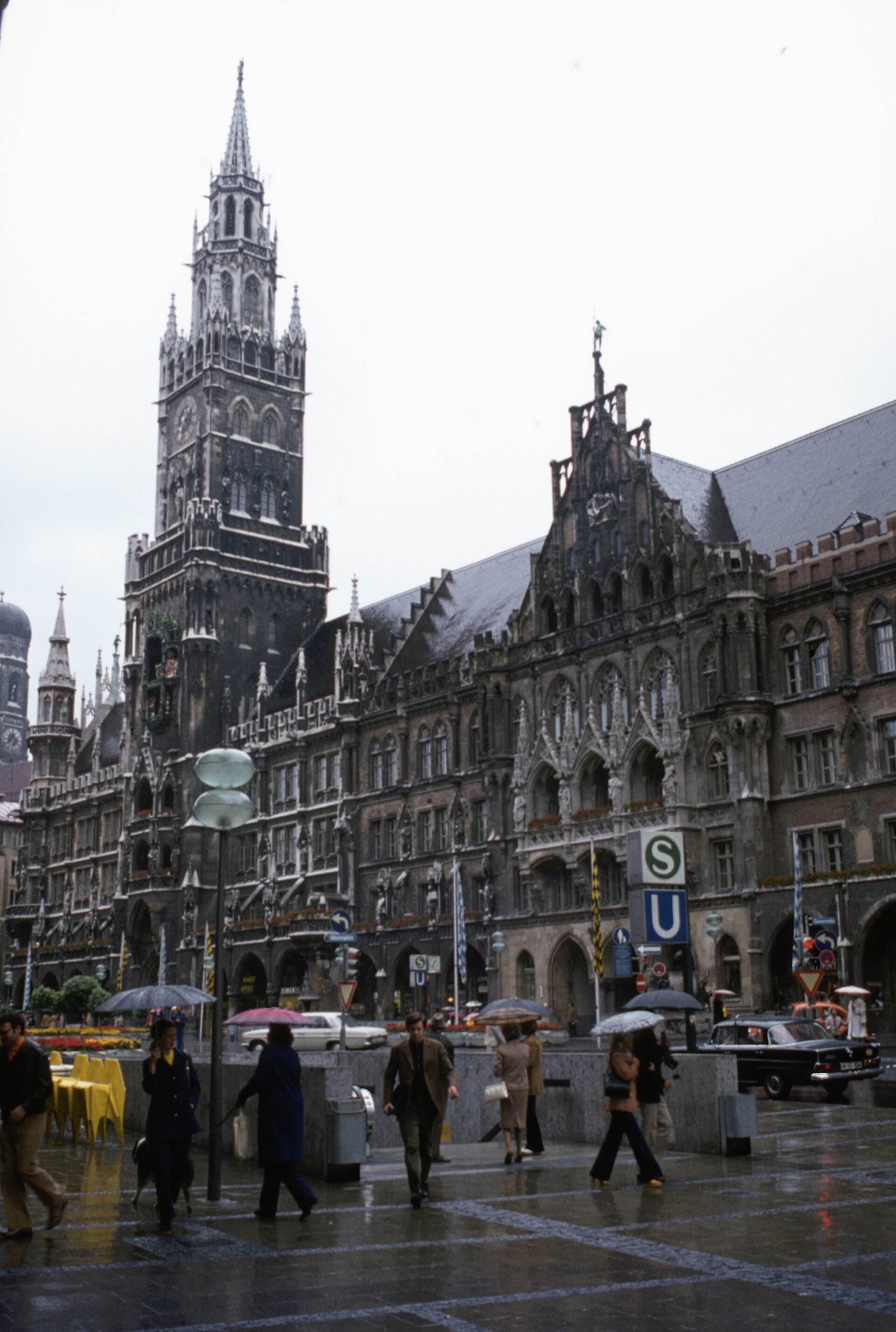 MarienplatzThe centre, Altstadt
The square everything in Munich is measured from, free to stand in, with a mechanical clock that performs on a schedule and disappoints half the people watching.
Photograph by foundin_a_attic, Wikimedia Commons, CC BY 2.0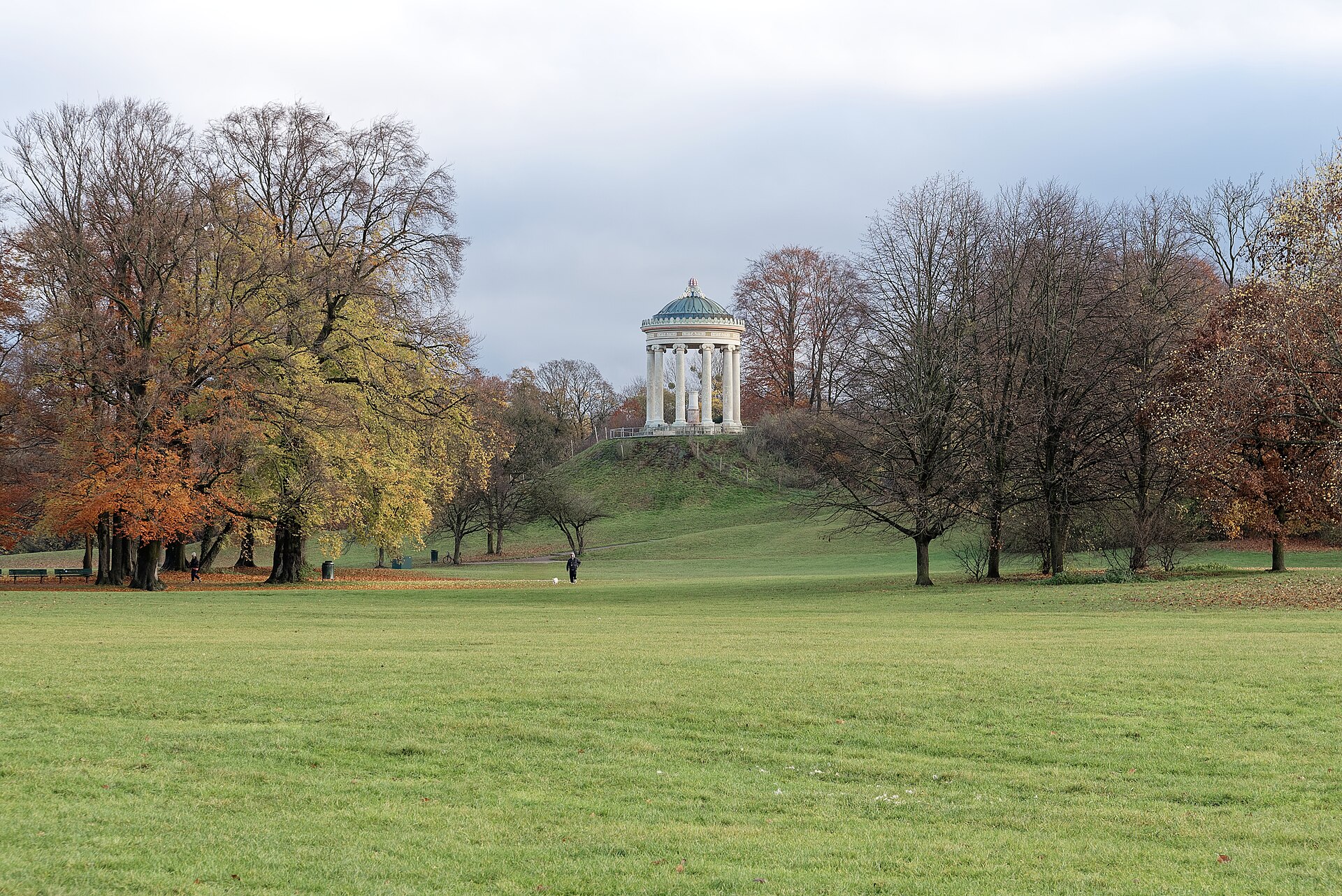 The English GardenSchwabing and Lehel
A public park larger than Central Park, free at every hour, with beer gardens inside it and a river you may swim in.
Photograph by Jakub Hałun, Wikimedia Commons, CC BY 4.0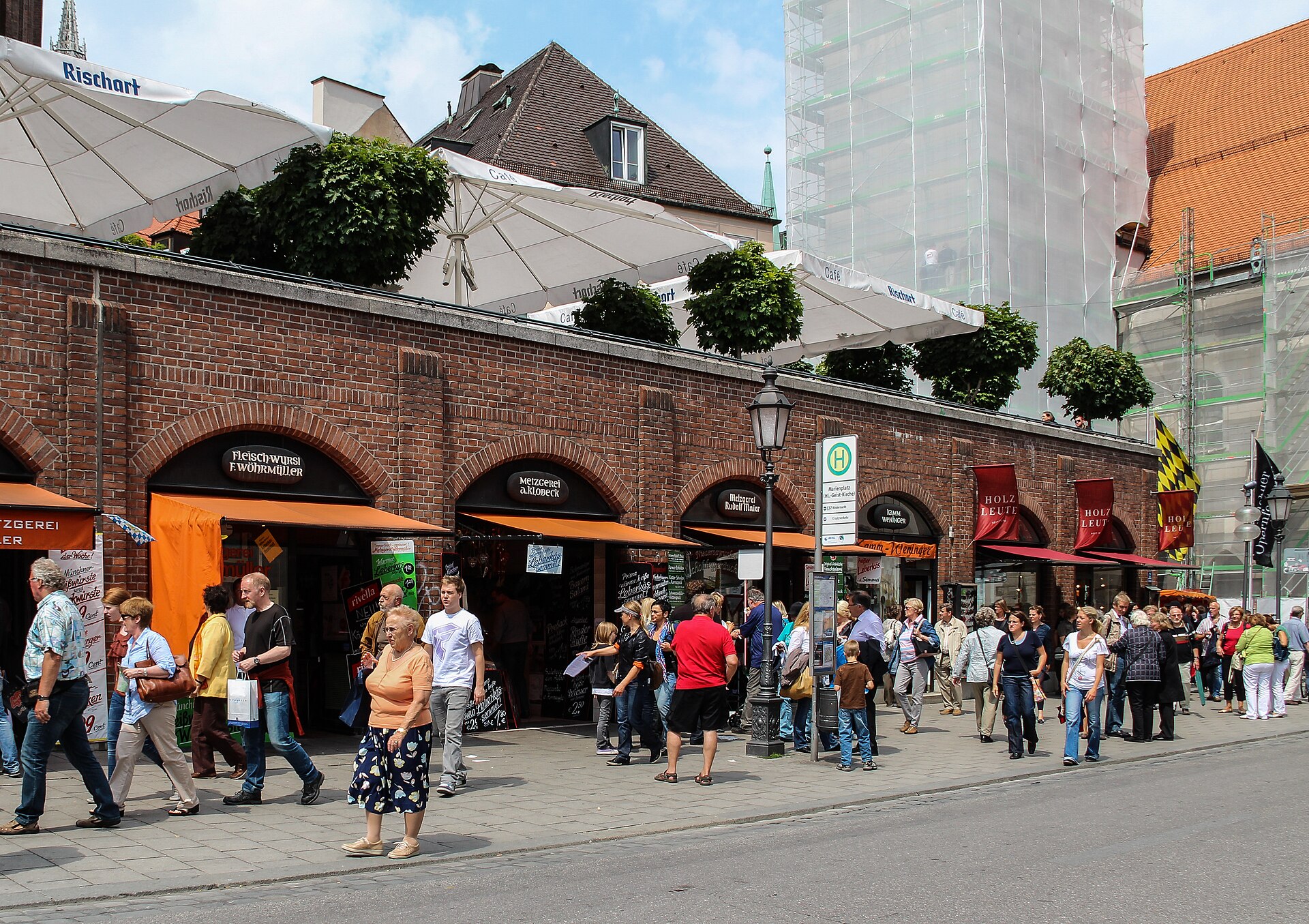 The ViktualienmarktBehind Marienplatz
A permanent food market a minute from Marienplatz — free to walk, expensive to shop, and with a beer garden in the middle that rotates its brewery.
Photograph by Dietmar Rabich, Wikimedia Commons, CC BY-SA 4.0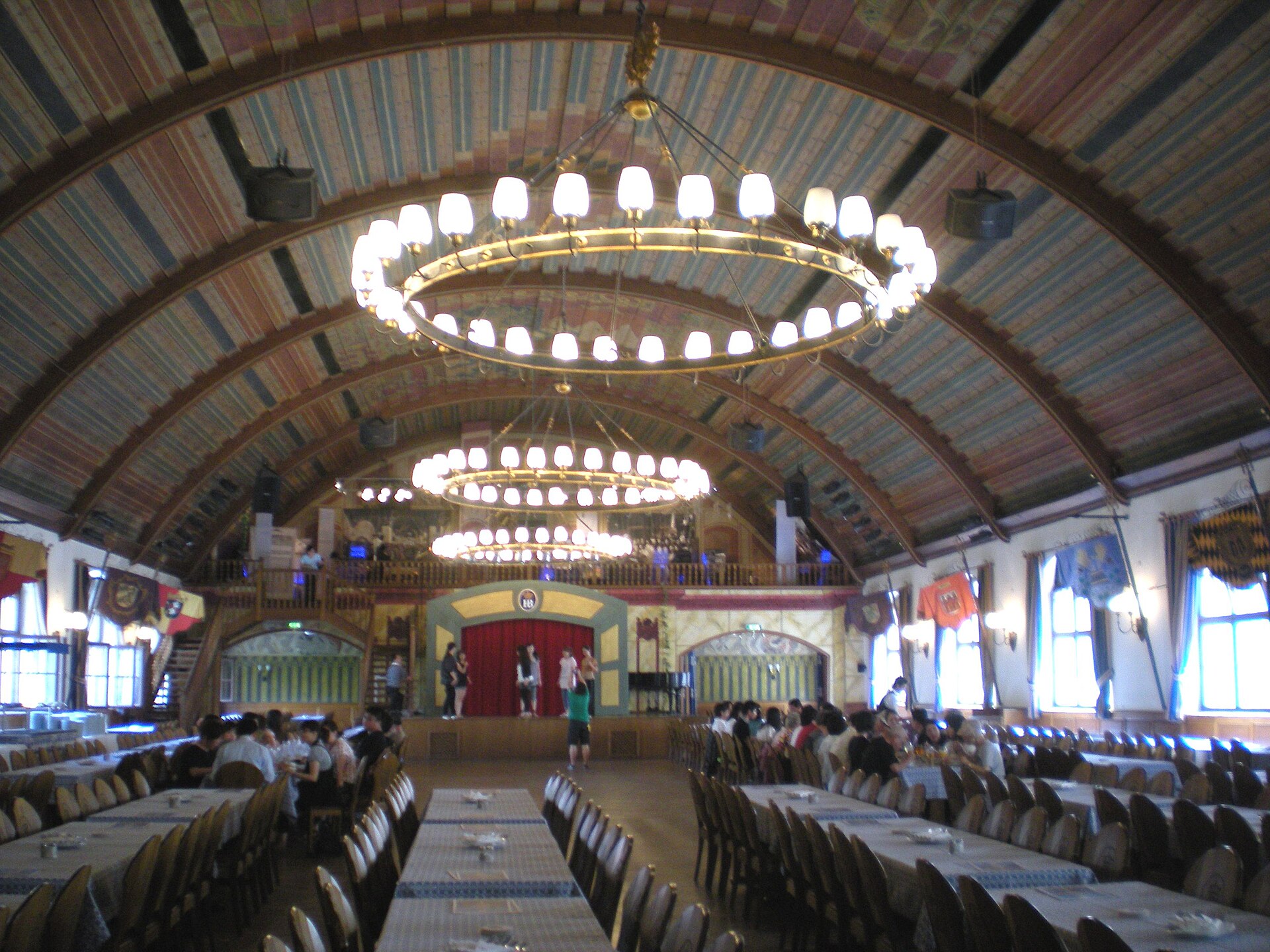 The HofbräuhausPlatzl, Altstadt
The most famous beer hall in the world, free to walk into, and priced exactly like every other beer hall in Munich — which is the thing people get wrong.
Photograph by Tony Castle, Wikimedia Commons, CC BY-SA 4.0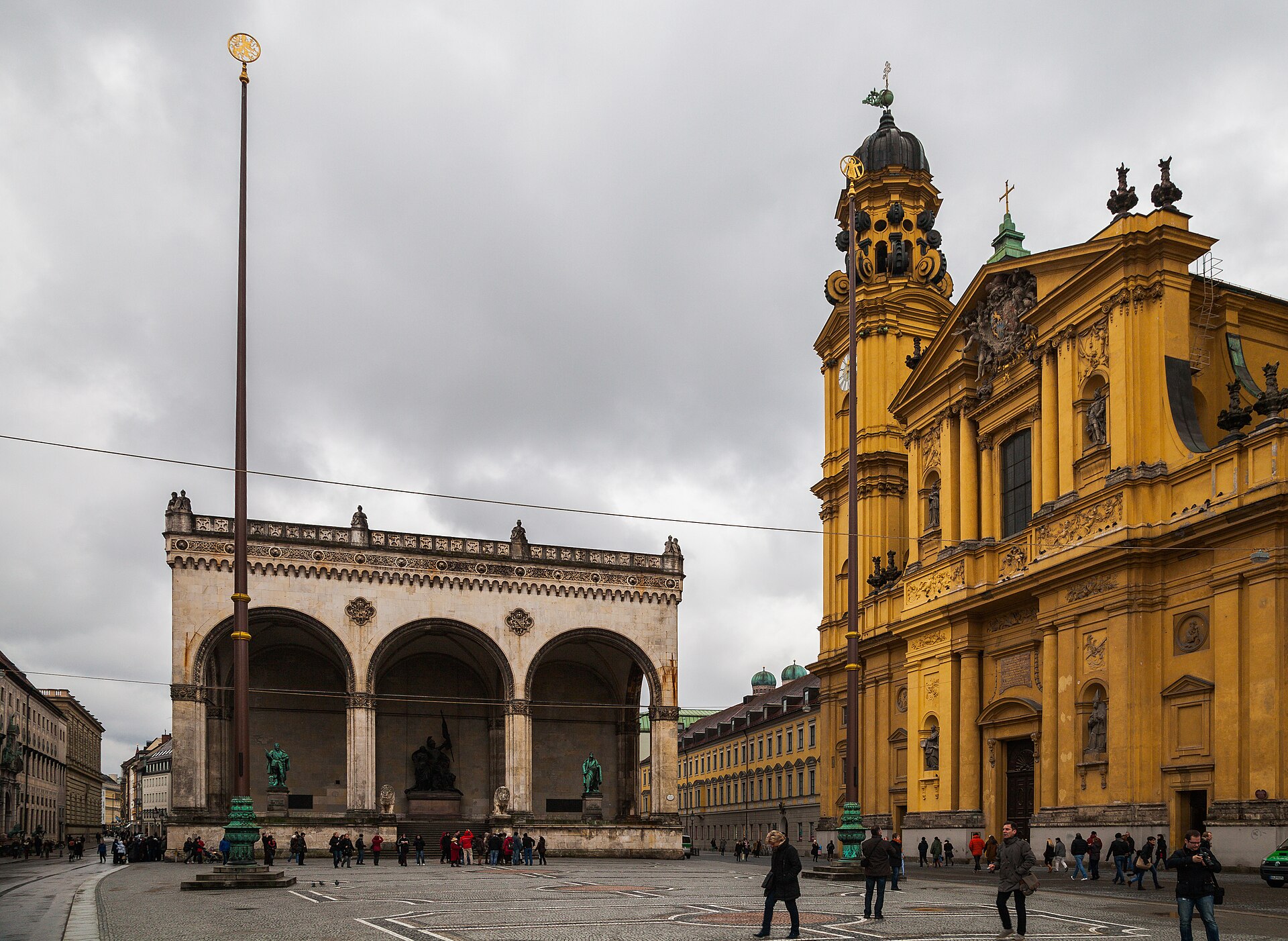 OdeonsplatzNorth end of the Altstadt
The square where the old city stops and the royal avenues begin — free, open, and the best place in Munich to understand its layout.
Photograph by Diego Delso, Wikimedia Commons, CC BY-SA 3.0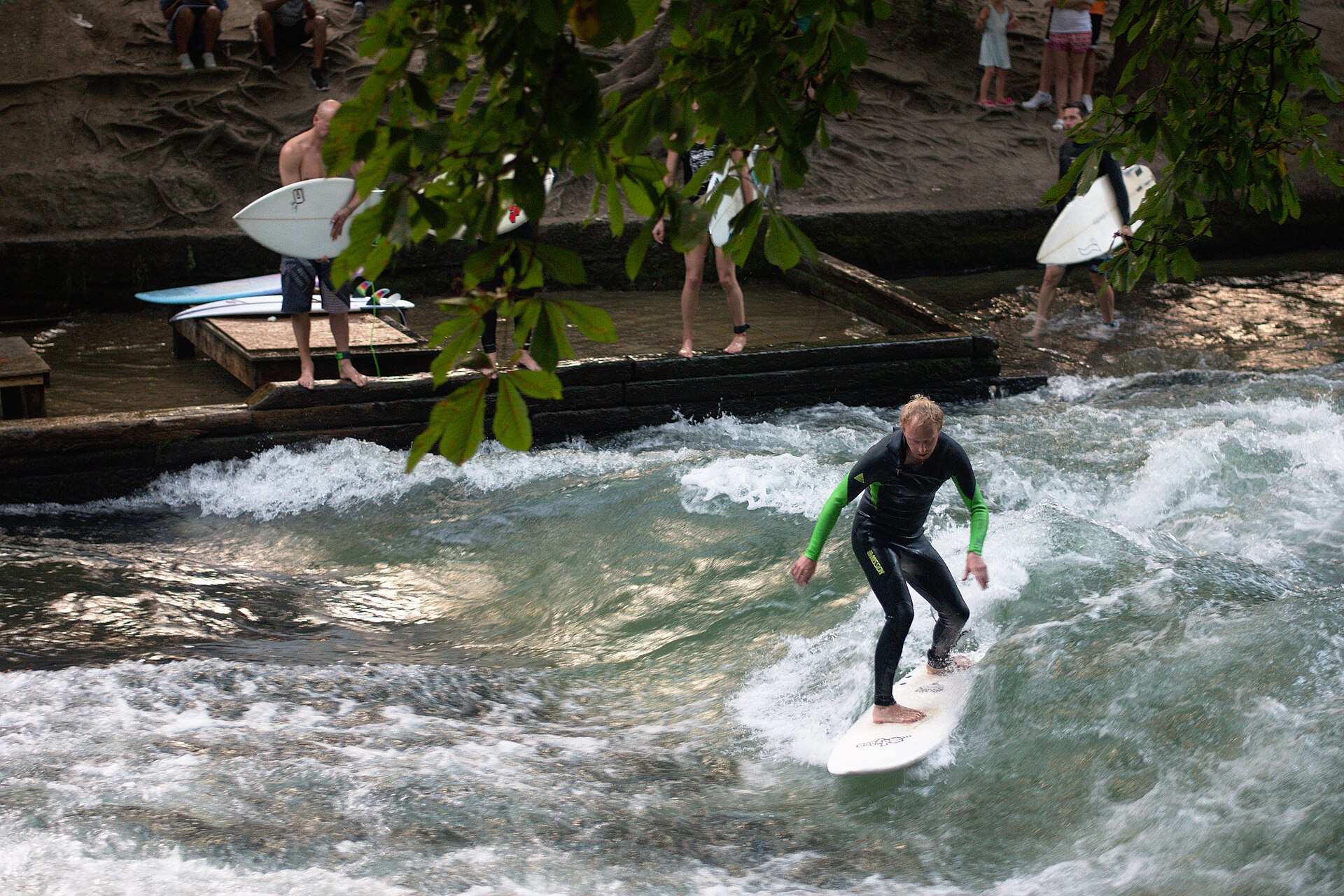 The Eisbach WaveSouth end of the English Garden
A standing wave on a city river where people surf all year, in the middle of a public park, for free.
Photograph by Flocci Nivis, Wikimedia Commons, CC BY 4.0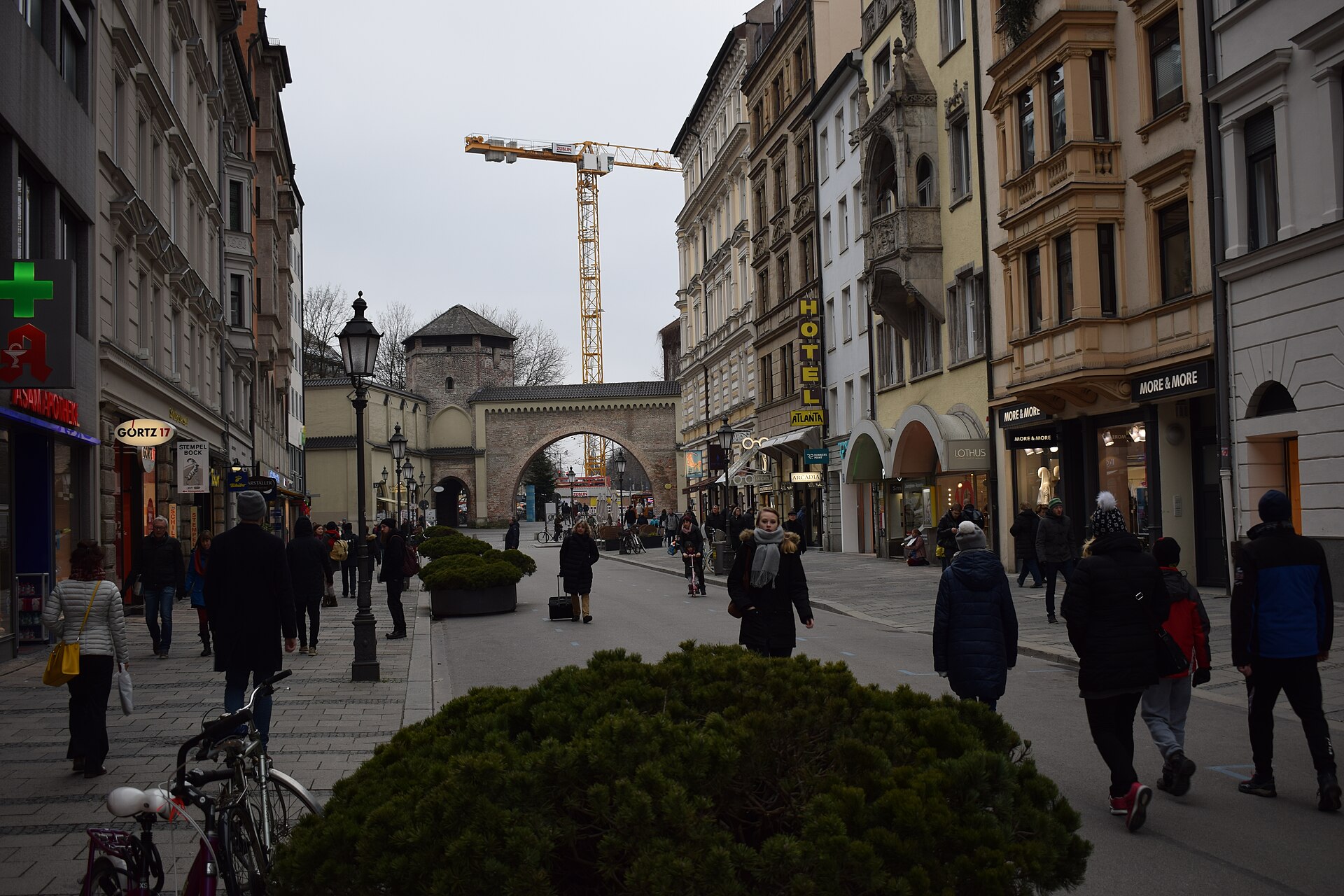 The Sendlinger TorSouth-west corner of the Altstadt
One of three surviving medieval gates, free to walk through, and the marker for where the old city ended.
Photograph by Flocci Nivis, Wikimedia Commons, CC BY 4.0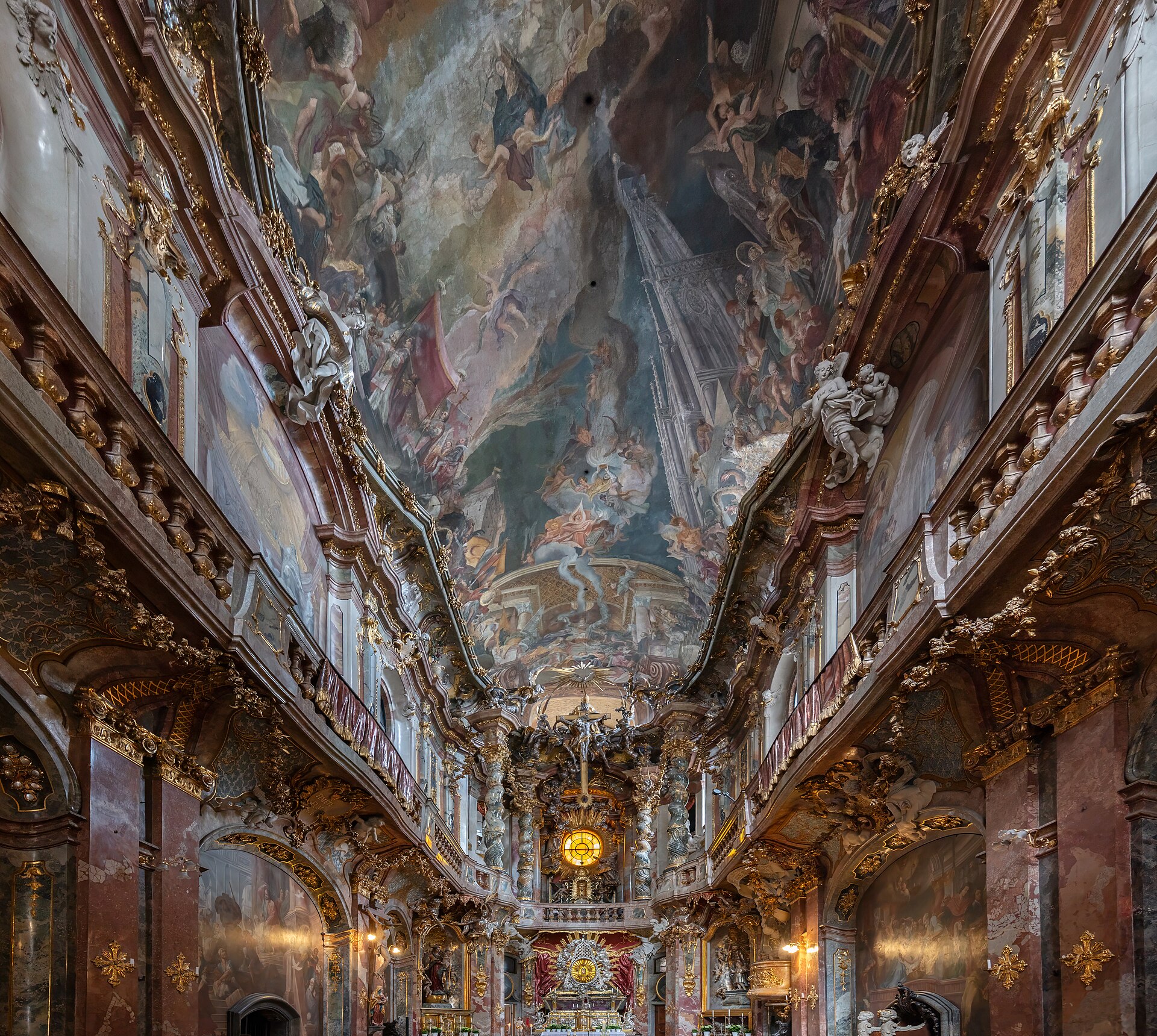 The AsamkircheSendlinger Straße, Altstadt
A tiny baroque church squeezed between shopfronts, free to enter, and the most overwhelming interior in Munich.
Photograph by Diego Delso, Wikimedia Commons, CC BY-SA 4.0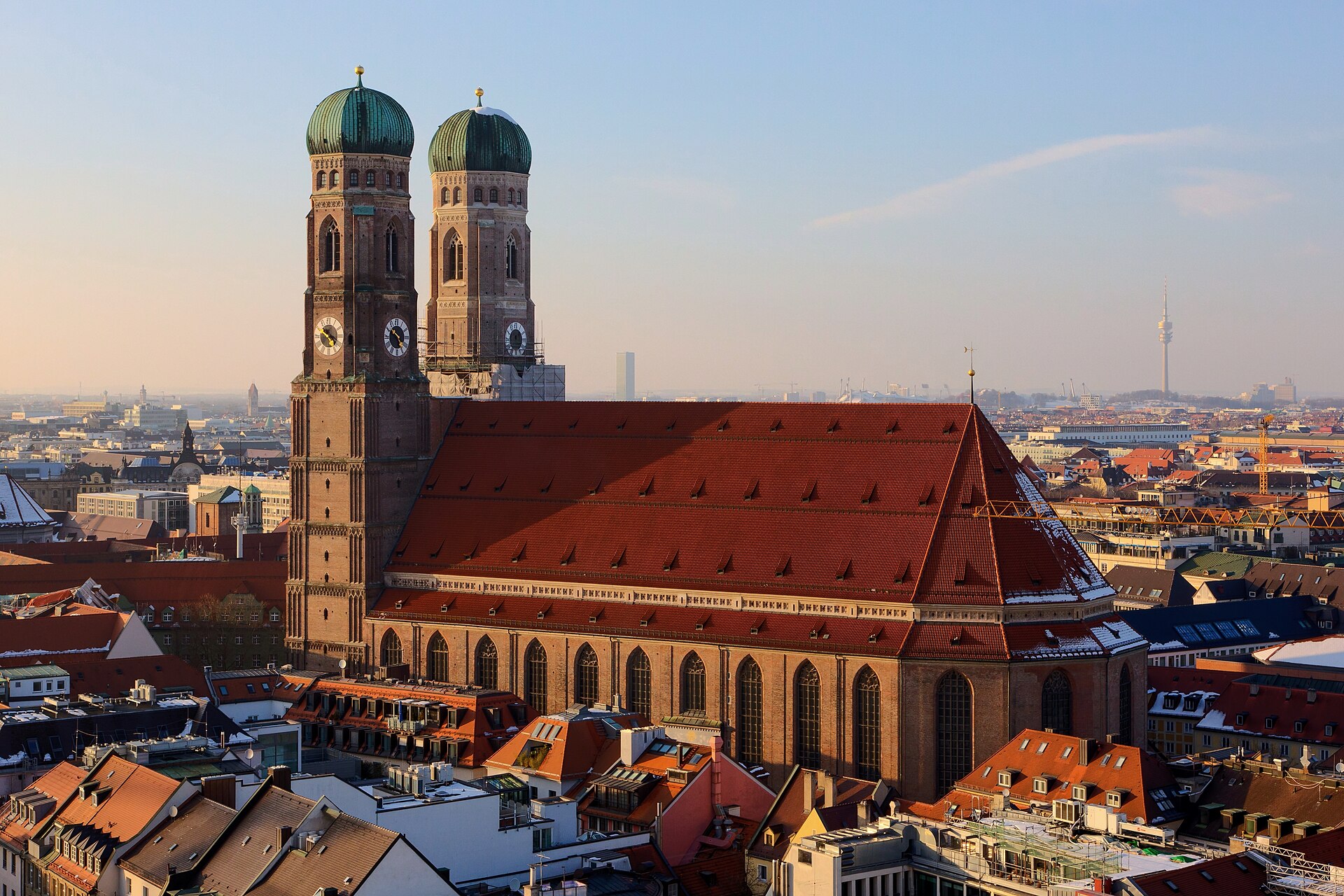 The FrauenkircheFrauenplatz, Altstadt
The two green domes on every photograph of Munich. Free to enter, ticketed to climb, and no building in the old centre is allowed to overtop it.
Photograph by Martin Falbisoner, Wikimedia Commons, CC BY-SA 3.0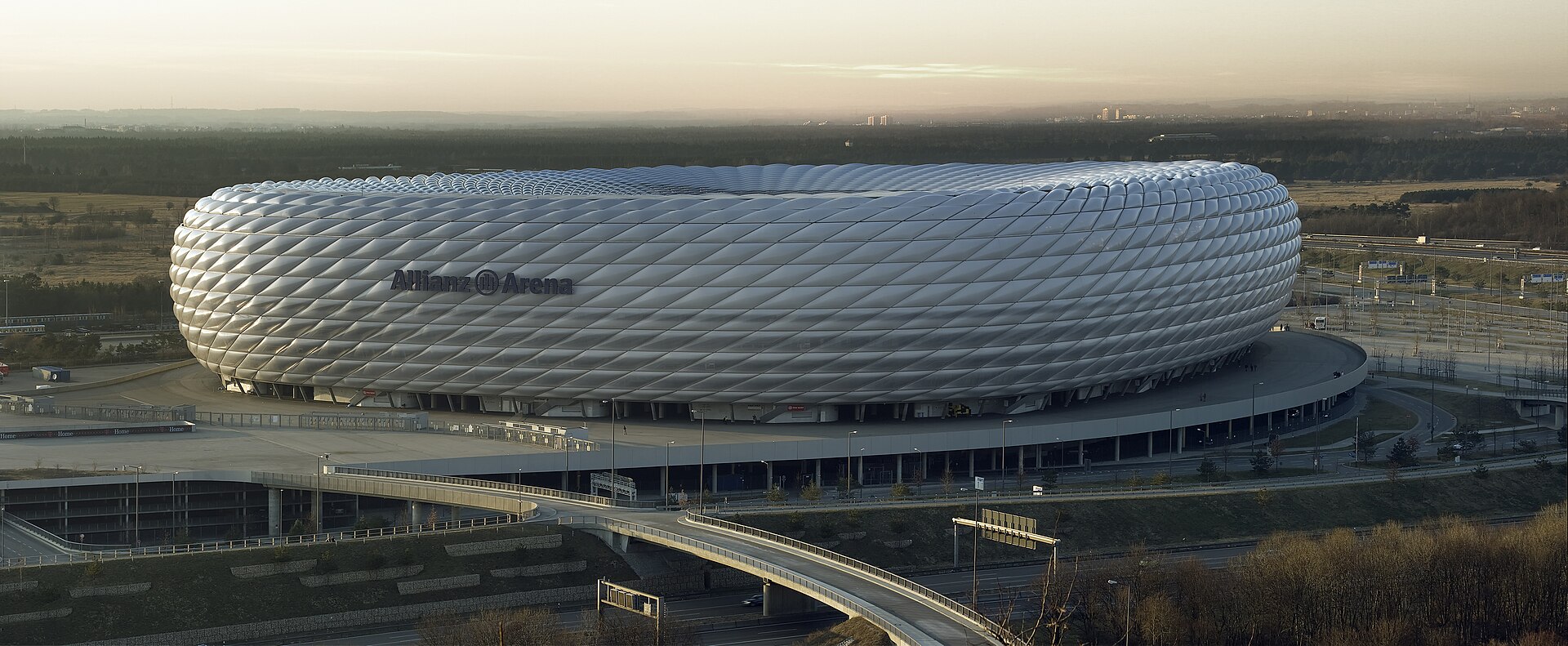 The Allianz ArenaFröttmaning, north of the city
A stadium that changes colour, on the U-Bahn, with tours on non-match days and no way in on match days without a ticket.
Photograph by Richard Bartz, Munich aka Makro Freak, Wikimedia Commons, CC BY-SA 2.5Worth paying for
 The Munich ResidenzMax-Joseph-Platz, Altstadt
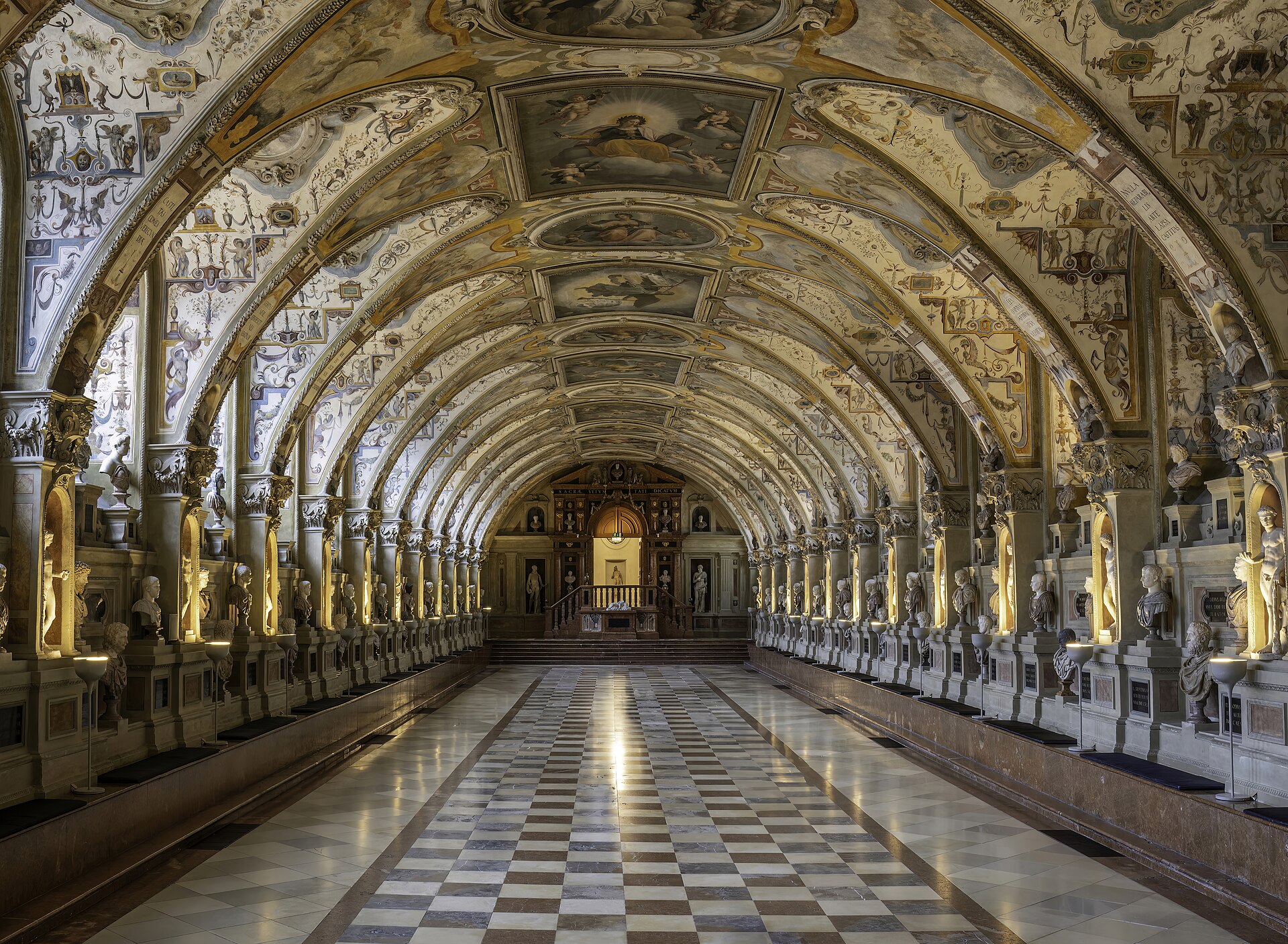
The largest city palace in Germany, sold as three separate tickets, and far bigger inside than it looks from the street.
Photograph by Wilfredor, Wikimedia Commons, CC0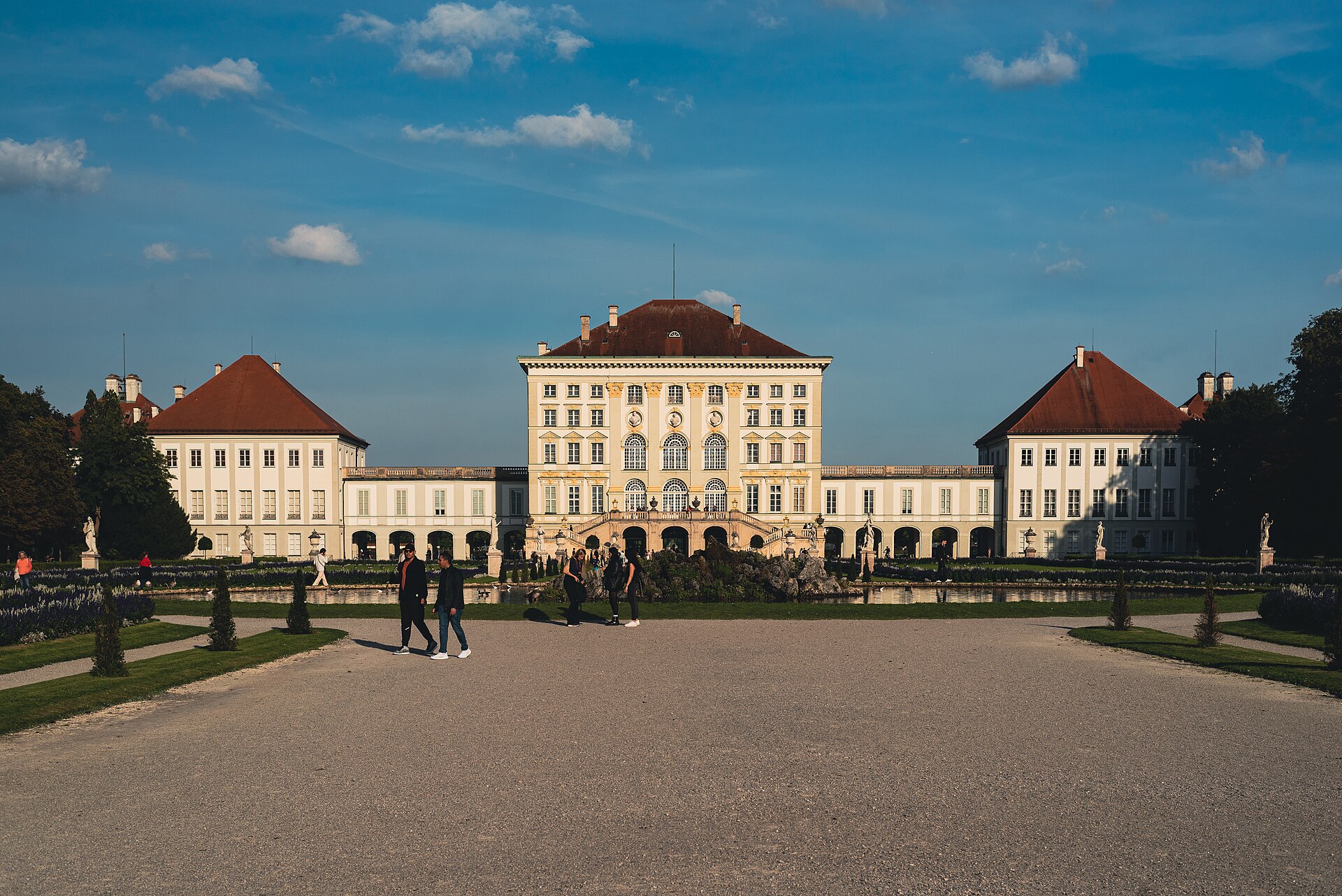 Nymphenburg PalaceNeuhausen-Nymphenburg
The Wittelsbach summer palace, where the park is free and vast and the palace is a choice of tickets.
Photograph by Flocci Nivis, Wikimedia Commons, CC BY 4.0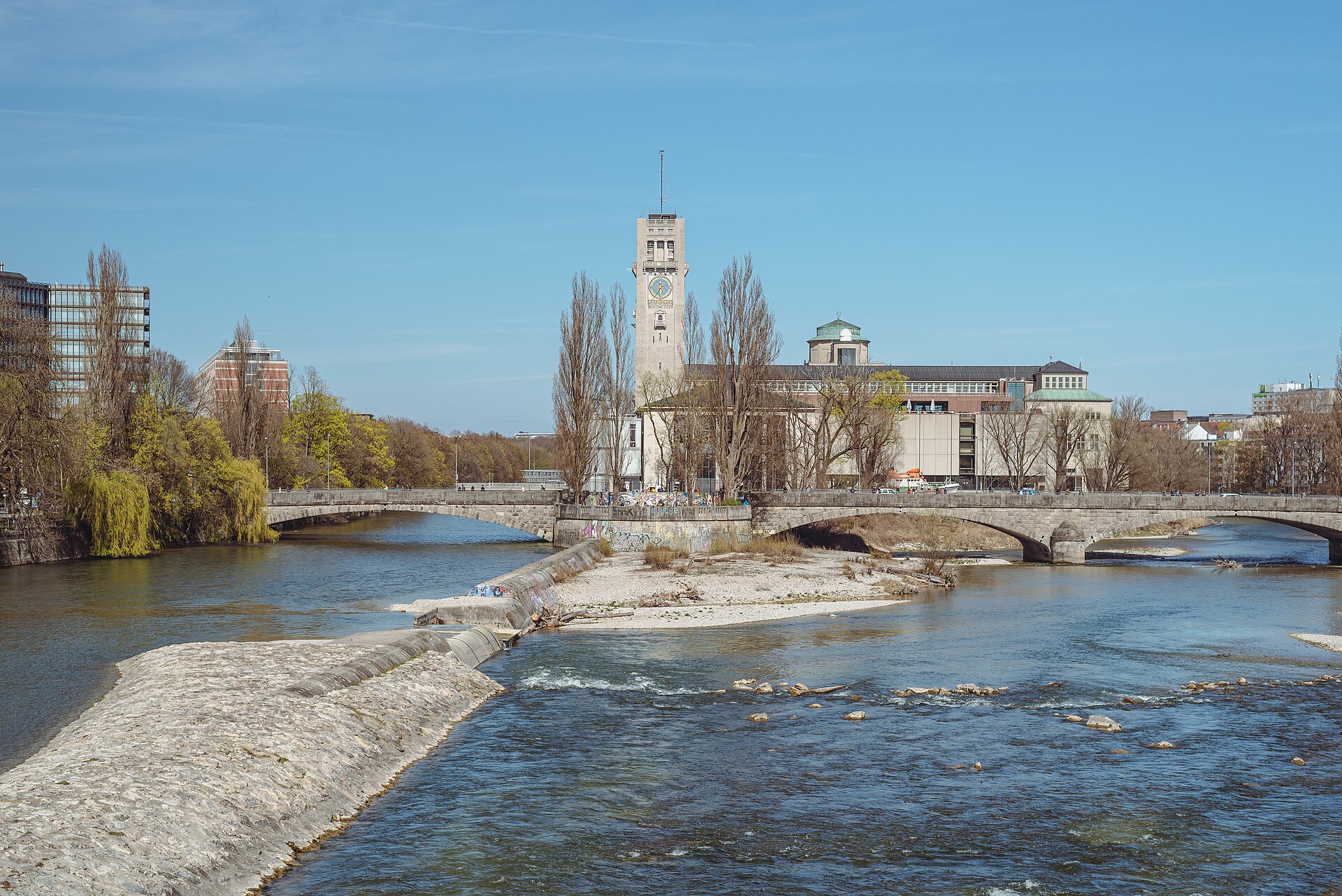 The Deutsches MuseumMuseumsinsel, on the Isar
The largest science and technology museum in the world, on its own island, and far too big to see in one visit.
Photograph by Flocci Nivis, Wikimedia Commons, CC BY 4.0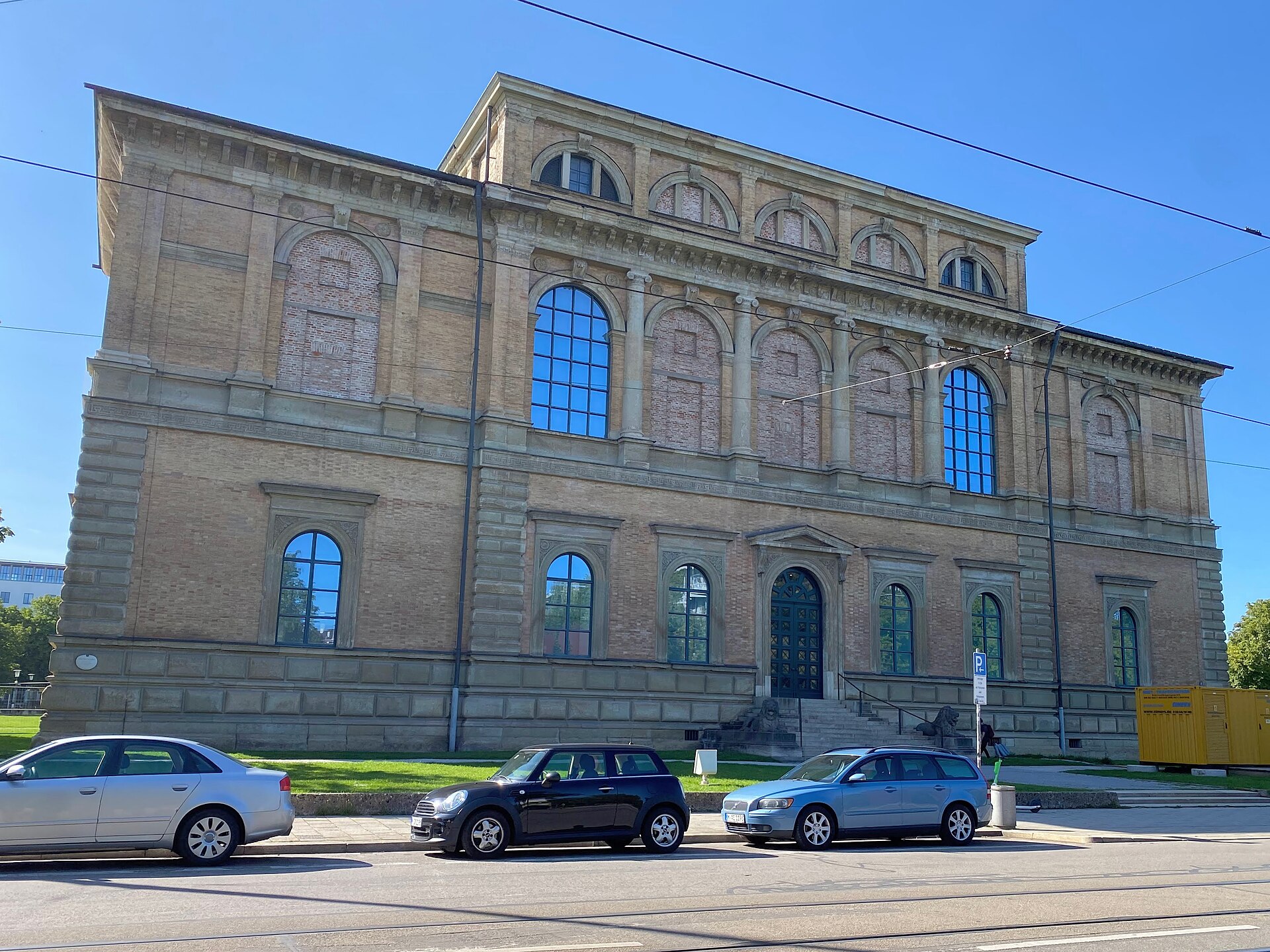 The Alte PinakothekKunstareal, Maxvorstadt
One of the great Old Master collections in Europe — and on a Sunday it costs almost nothing.
Photograph by -wuppertaler, Wikimedia Commons, CC BY 4.0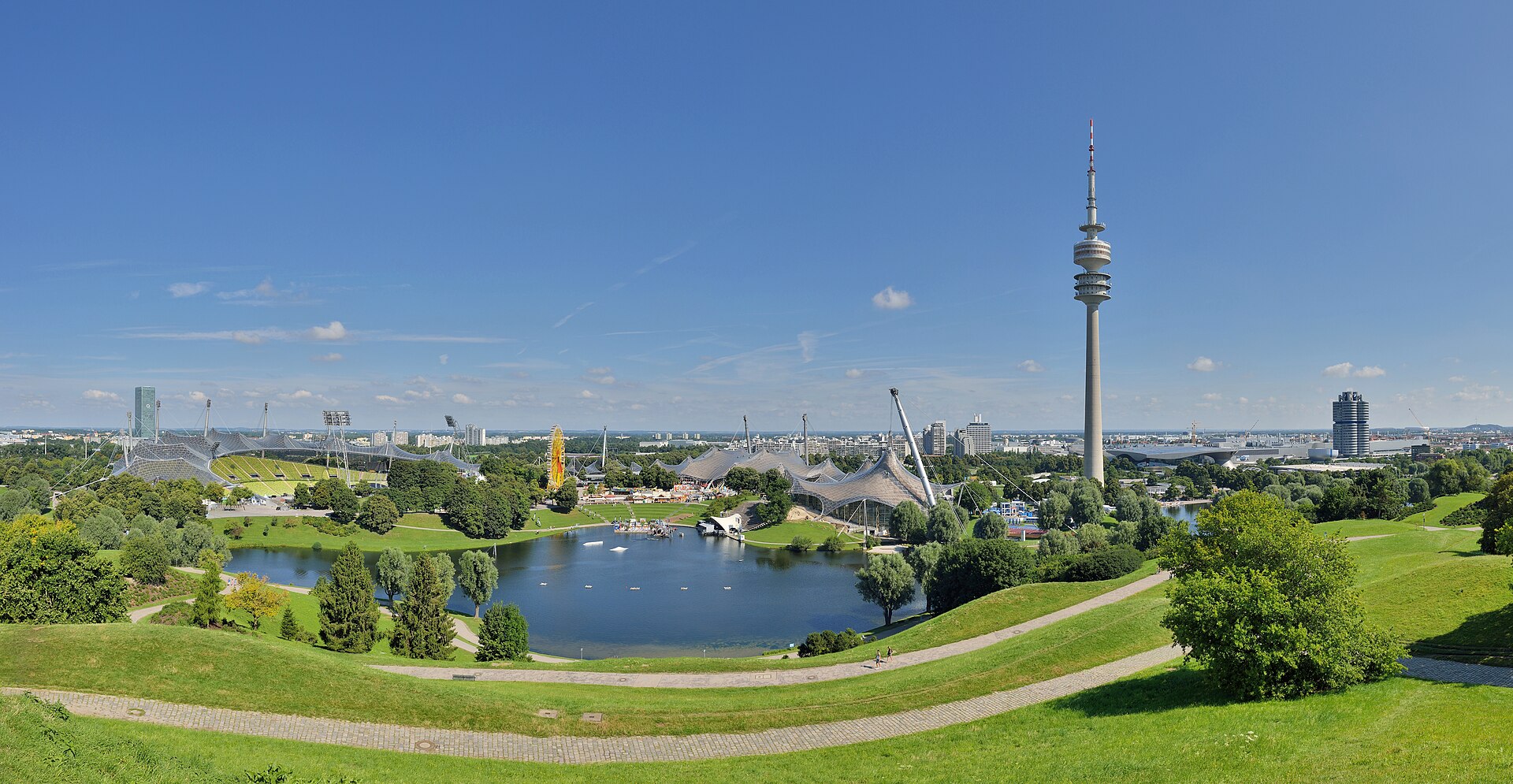 The OlympiaparkMilbertshofen
The 1972 Olympic site, now a public park — free to walk, ticketed for the tower and the roof.
Photograph by Wladyslaw Sojka, Wikimedia Commons, FAL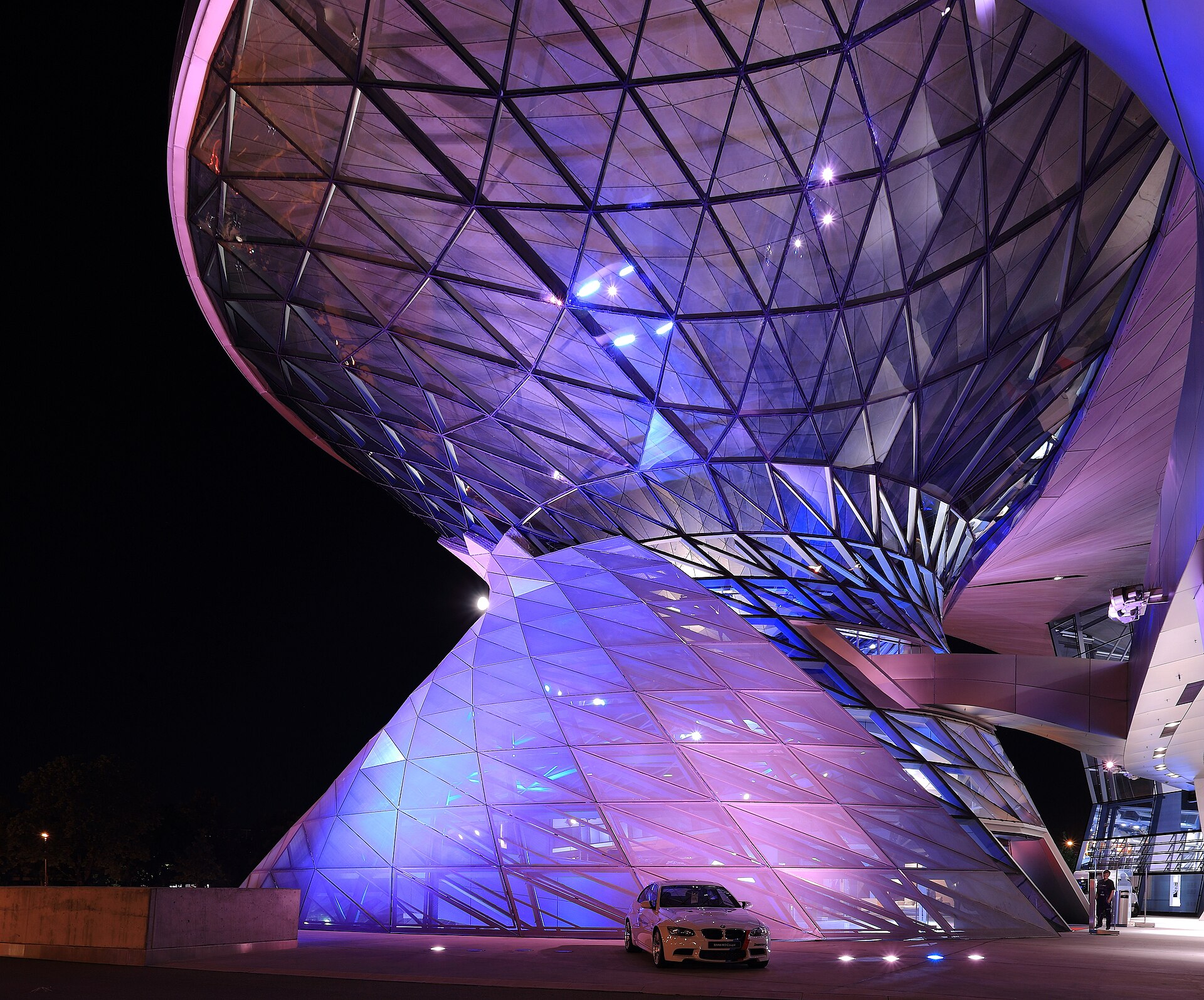 BMW Welt and the BMW MuseumAm Olympiapark
Two buildings that are usually confused: one is a free showroom, the other is a ticketed museum.
Photograph by Martin Falbisoner, Wikimedia Commons, CC BY-SA 3.0How to plan a day around them
Three rules do most of the work. Sunday is museum day — the state collections charge a nominal admission, which inverts the usual advice to avoid museums at the weekend. Monday closes most of them, and the Deutsches Museum is the reliable exception. And almost all shops and the Viktualienmarkt close on Sunday, so buy anything you need on Saturday.
Plans by trip length are in Itineraries & Day Plans; what each ticket covers is in Museums & Galleries; and the beer halls and gardens are in Beer & Breweries.
Ticket arrangements and opening hours as published for 2026 and checked on 4 September 2026. These change without much warning — confirm with the institution before you travel.
This section is being written. The guide above is the section for now. New articles are published across the site about twice a week rather than a section being filled in a day, so this page grows steadily — it is worth looking in again. In the meantime the sixteen sight pages and the plans by trip length are finished, and they are the best place to start.
Queued for this section
- What does the Glockenspiel do, and when?
- Where do you get the best view over Munich, and what does each cost?
- Which Munich churches cost money, and which are free?
- What is the Residenz, and which parts need a ticket?