

It seems we can’t find what you’re looking for. Perhaps searching can help.
Parks & Outdoors
The Englischer Garten, the Isar, and the lakes and mountains within a train ride. Munich treats its river as a swimming pool in summer, which surprises most visitors.
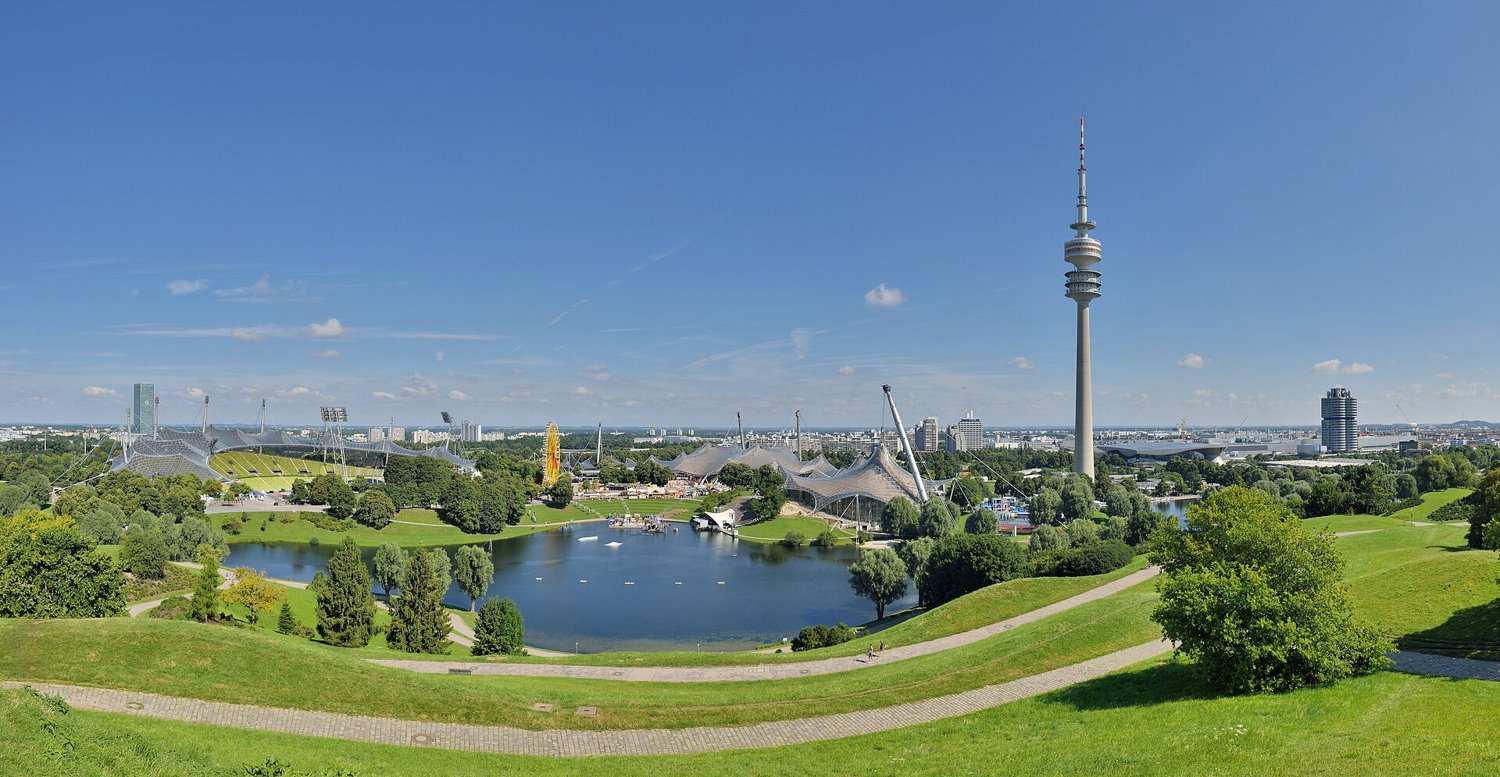
The Englischer Garten covers 375 hectares — larger than New York's Central Park — and most visitors see only the first ten minutes of it. It is free, open at night, and long enough that its northern end feels like open countryside.
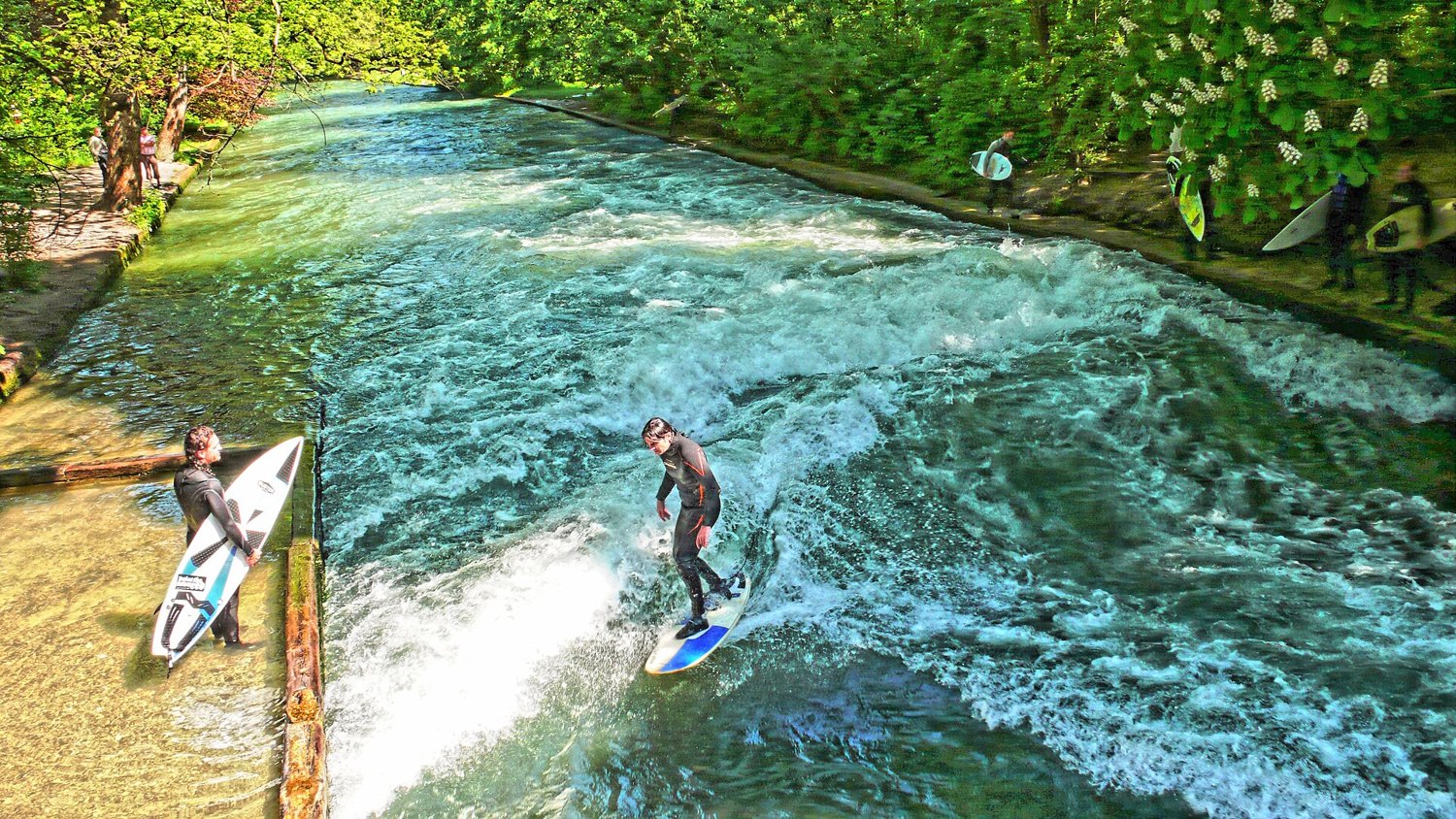
The Eisbach wave at the park's southern edge is surfed year-round by people in wetsuits, which is the single most photographed thing in Munich that is neither a church nor a beer tent. It is genuinely dangerous and not a beginner's wave.
The Isar itself is the city's summer. Its banks were renaturalised over two decades, and on a hot day the gravel banks fill with people swimming and barbecuing — an ordinary use of a river that surprises visitors from cities where that would be prohibited.
Beyond the city, the lakes and the Alps are close enough to be an afternoon rather than a trip.
No articles are published in this section yet. We publish about two a week rather than filling a section in a day.