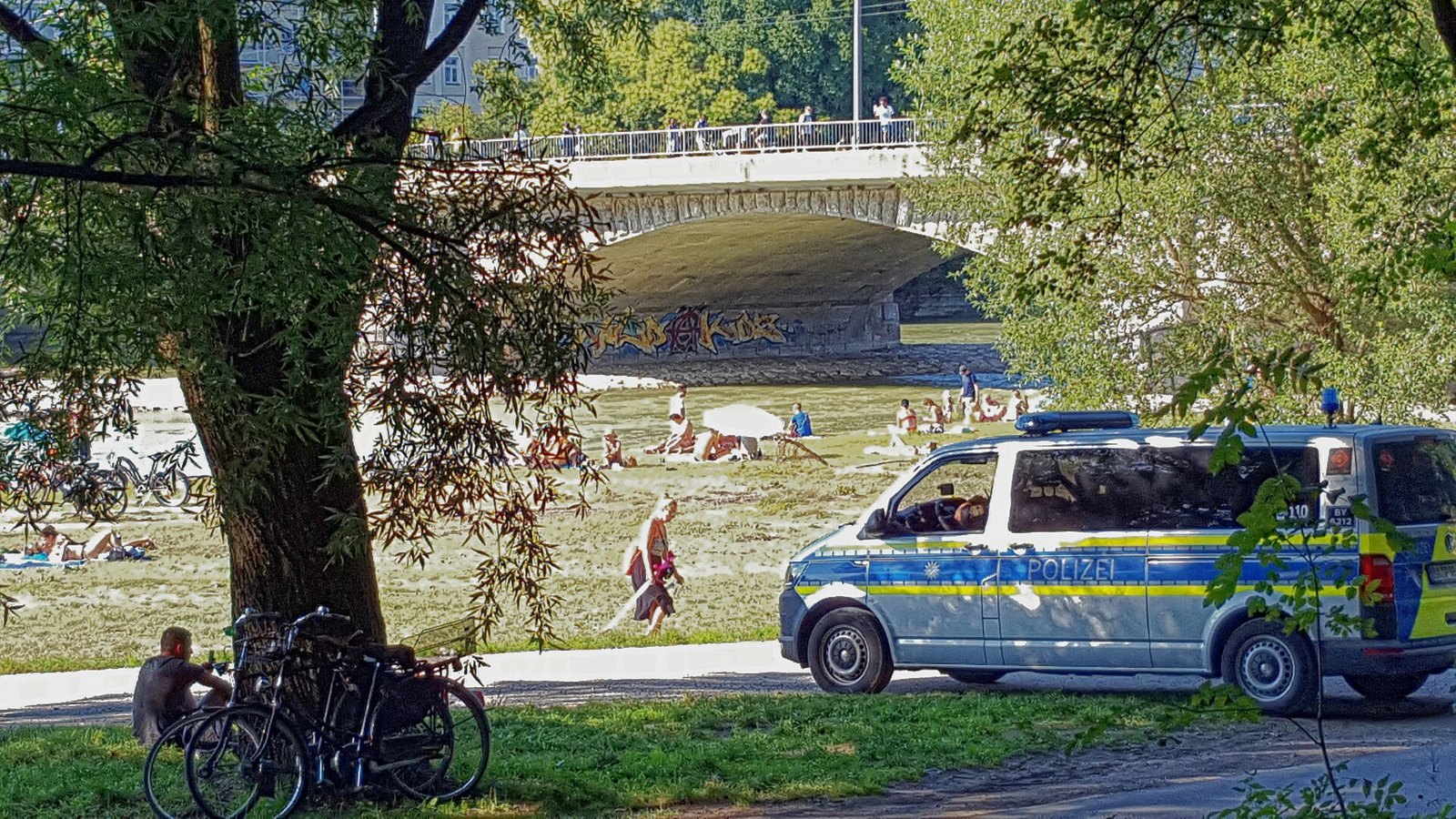
Munich beer gardens split into two legal zones, and only one allows outside food. Under a 1995 Bavarian ordinance, tables without cloths beneath chestnut trees count as self-service — bring a picnic, buy your own beer, and nobody minds. Tables with cloths and waitstaff are table-service. That food has to come from the kitchen.
What does Bavarian law actually say about bringing food?
The rule has a name: the Biergartenverordnung. Bavaria’s state government issued it in 1995, after years of friction between beer garden operators and restaurant trade groups over noise curfews and closing times. The dispute famously came to a head at Waldwirtschaft Großhesslohe, south of the city, where a threatened crackdown on evening hours drew public protest. The ordinance that followed formalized a custom that was already decades old. It split every beer garden into two categories: self-service (Selbstbedienung) and table-service (Bedienung). Only the first lets a guest bring food from home. The ordinance itself is published on the Bavarian state’s own legal portal, gesetze-bayern.de, for anyone who wants the statutory wording.
How can you tell which section you’re sitting in?
Look at the table, not the garden. Self-service sections have bare wood, no cloth, and a counter where you order and pay directly. Table-service sections have cloths, printed menus, and a server who takes your order and brings everything out. That’s the whole test.
- No tablecloth, order at a counter, pay on the spot: self-service. Own food is fine, as long as you buy a drink there.
- Tablecloth, a server, a printed menu: table-service. Food must come from the kitchen, full stop.
- Some gardens mark the boundary with a low fence, a change in paving, or a small sign. If it’s unclear, ask a staff member before unpacking anything.
The chestnut trees aren’t just atmosphere. Nineteenth-century brewers planted them over their cellars to shade the ground and keep the beer cool underneath. The shade stuck, the self-service habit grew up around it, and the 1995 law simply wrote down what was already standard practice.

Which Munich beer gardens have both kinds of seating?
Most large beer gardens run both zones side by side. Sizes and layouts can shift season to season, so treat this as a starting map rather than a fixed floor plan.
| Beer garden | District (Bezirk) | Self-service area | Table-service area |
|---|---|---|---|
| Hirschgarten | Neuhausen-Nymphenburg (9) | Yes — large chestnut-shaded section | Yes — attached restaurant |
| Chinesischer Turm, Englischer Garten | Schwabing-Freimann (12) / Englischer Garten borders Altstadt-Lehel (1) | Yes — tables around the tower | Yes — restaurant terrace |
| Augustiner-Keller | Ludwigsvorstadt-Isarvorstadt (2) | Yes — garden over the old cellar vaults | Yes — indoor and terrace restaurant |
| Viktualienmarkt beer garden | Altstadt-Lehel (1) | Yes — the entire garden | No |
| Hofbräukeller am Wiener Platz | Haidhausen (13) | Yes | Yes — separate restaurant |
| Seehaus im Englischer Garten | Schwabing-Freimann (12) | Yes — terrace by the lake | Yes |
Hirschgarten is often described, including on the city’s own tourism portal, as Europe’s largest beer garden by seating capacity — muenchen.de covers the venue and its history. The Englischer Garten itself, including the grounds around the Chinesischer Turm and Seehaus, is managed as a historic royal park by the Bavarian Palace Administration, whose own site, schloesser.bayern.de, describes its origins and layout.
Layouts change. A section can be reconfigured, closed for an event, or expanded for a season. Confirm current seating on arrival, not from a guidebook. The city’s beer and brewery coverage in the Beer & Breweries archive and the wider Munich beer guide track operator changes as they’re published.

Do you still have to buy anything?
Yes. The exemption covers food, not drink. In a self-service section, the unwritten deal is simple: buy at least one drink per seated adult. Staff do walk the tables. Someone occupying space without ordering will usually be asked, politely, to buy something or move along. This is a trade custom, not a line in the statute, and it’s enforced by individual operators rather than any city office.
Does the same rule apply at Oktoberfest?
No. Oktoberfest tents are not beer gardens under this ordinance. They’re licensed restaurant operations for the duration of the festival. Every tent is table-service only, food comes from the tent’s own kitchen, and outside food is not permitted regardless of where you sit. Reservations and table etiquette inside the tents work differently too — the site’s guide to getting a table in an Oktoberfest tent without booking covers that separately.

What should you actually pack?
Keep it simple. A blanket or cushion for bench seating, your own cutlery, and food that travels well are the basics. Several gardens post house signs barring glass bottles at self-service tables, a rule set by the operator rather than the state ordinance, so check for signage near the entrance. Bins are usually shared across both zones; sort recycling if marked, the same habit covered in the site’s broader Munich practical guide.
Self-service tables are also typically shared with strangers once a garden fills up. That’s normal, not an intrusion — the custom is explained in the site’s piece on Wirtshaus table-sharing and Stammtisch etiquette, which applies to beer garden benches just as much as to an indoor Wirtshaus, a traditional Bavarian inn or tavern.
The short version holds across every garden in this list: check the table in front of you, not the garden’s reputation. A cloth means the kitchen owns the food. Bare wood under a chestnut tree means the picnic basket is welcome, as long as a round of drinks is bought there too.
Access Munich is an independent guide written from published, checkable sources. We have not visited the places described here and we do not publish personal recommendations or invented ‘local favorites’ — where something is singled out as notable, we say who says so. Opening times, fares, closures and prices change at short notice, so treat everything here as a starting point and confirm with the museum, operator or venue directly before building a day around it. We give no advice on visas, insurance, health or safety; use your own government’s official guidance for those.
Featured image: Photo by Burkhard Mücke, source, CC BY-SA 4.0
