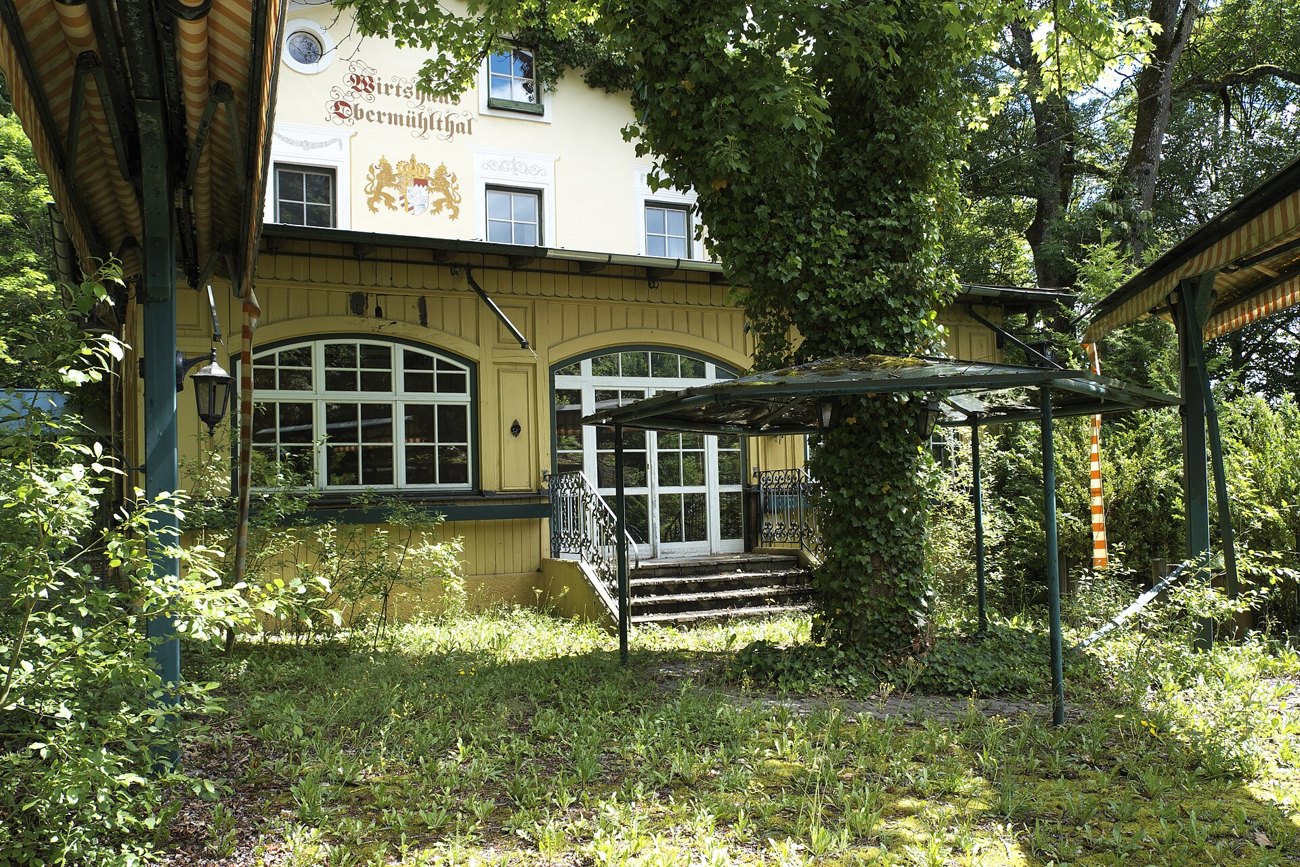
A Wirtshaus is a traditional Bavarian tavern, usually tied to a single brewery, serving regional food alongside that brewery’s beer. Sharing a table with strangers is normal there. The phrase to use is “Ist hier noch frei?” — is this still free? — asked before sitting down at an open seat.
What exactly is a Wirtshaus?
A Wirtshaus combines a kitchen, a bar, and a social hall under one roof. Most are leased from a brewery under a long-term contract called a Pacht. That lease is why a given Wirtshaus usually pours beer from only one producer, not a rotating list.
The food follows a narrow, recognizable pattern: roast pork, dumplings, Schnitzel, sausages, and seasonal specials tied to Lent or the autumn slaughter season. Munich’s districts are numbered as well as named — the 7th is Neubau — and some, like Au-Haidhausen (Bezirk 5), have a particularly dense concentration of older Wirtshäuser, a pattern the Munich city council’s own heritage listings reflect.
A Gaststätte is the broader legal category; Wirtshaus is the cultural name people actually use. A Biergarten attached to the same building runs under different rules entirely, covered below.
How does sharing a table actually work?
Inside a Wirtshaus, long wooden tables are common, especially near the Stammtisch area. When the room fills up, staff or other guests may simply wave a newcomer to an empty seat at a table already occupied by someone else.
Nobody is obliged to talk. A nod and the question above are enough. Each party pays its own bill separately, even at the same table — that is standard, not awkward.
Bags go on the floor or a hook, not on the bench next to a stranger’s seat. Space is tight, and a packed Wirtshaus runs on everyone keeping their footprint small.
What does a small “Stammtisch” sign mean?
This is the mistake visitors make most often. Many Wirtshäuser keep one table reserved, not with a paper “reserviert” card, but with a small fixed plaque, carved marker, or brass sign reading “Stammtisch.”
A Stammtisch is a regulars’ table. The same group — often neighbors, a card-playing circle, or colleagues from a nearby business — has met there weekly, sometimes for decades.
No fee reserves it. No booking system lists it. The claim is purely social, built on years of showing up at the same hour.
Sitting there uninvited is not a minor faux pas. Staff will usually ask a newcomer to move, and regulars can be visibly unimpressed if someone lingers after being told. The table is often the emotional center of the room for the people who use it, and displacing them — even briefly — reads as a real breach, not a harmless mix-up.
The fix is simple: look for the sign before sitting at an otherwise-empty table, and ask staff if unsure. An empty table with no plaque is fair game; one with a Stammtisch marker is not, no matter how empty it looks at 3pm.
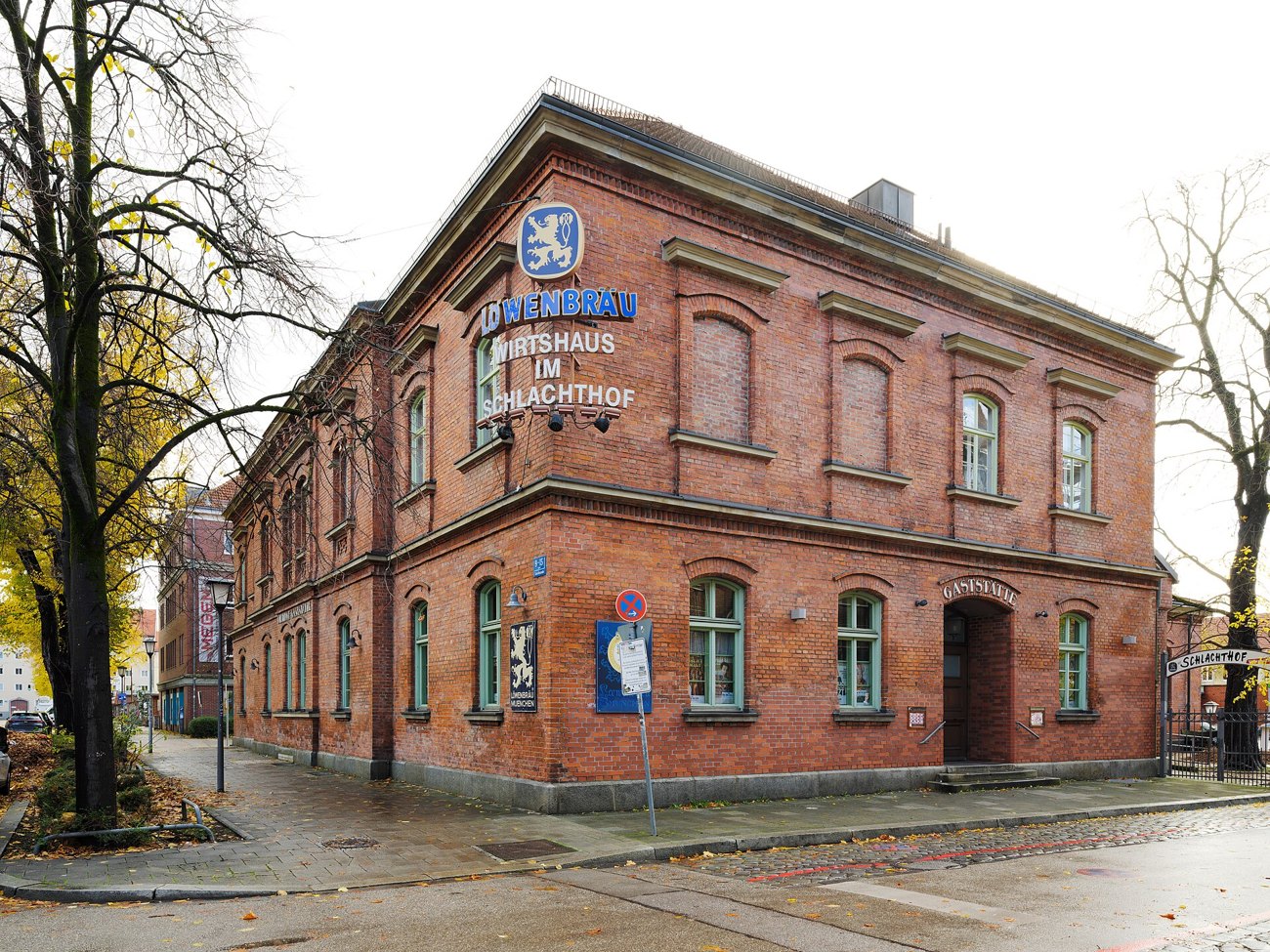
Does a beer garden work the same way?
No — and this is the second distinction worth knowing. A Munich Biergarten typically has two zones, and the rules of each are different.
Bavaria’s 1999 beer garden ordinance, the Biergartenverordnung, followed public disputes in the 1990s over closing times and protected a specific right: in a marked self-service area, patrons may bring their own food, as long as drinks are bought from the beer garden’s own stands. The Bavarian Brewers’ Association, the Bayerischer Brauerbund, still cites that split when explaining how the tradition operates today.
| Zone | Seating | Food | Drinks | Table sharing |
|---|---|---|---|---|
| Self-service | Plain tables, often unmarked by a restaurant | Bring your own | Must be bought on site at the counter | Open and informal; sit wherever there is space |
| Table-service (Schankstuben or waiter-served tables) | Tables with tablecloths or clear table numbers | Ordered and served from the kitchen | Ordered from a server, not the self-service counter | Treated like indoor Wirtshaus seating — ask first, watch for Stammtisch signs |
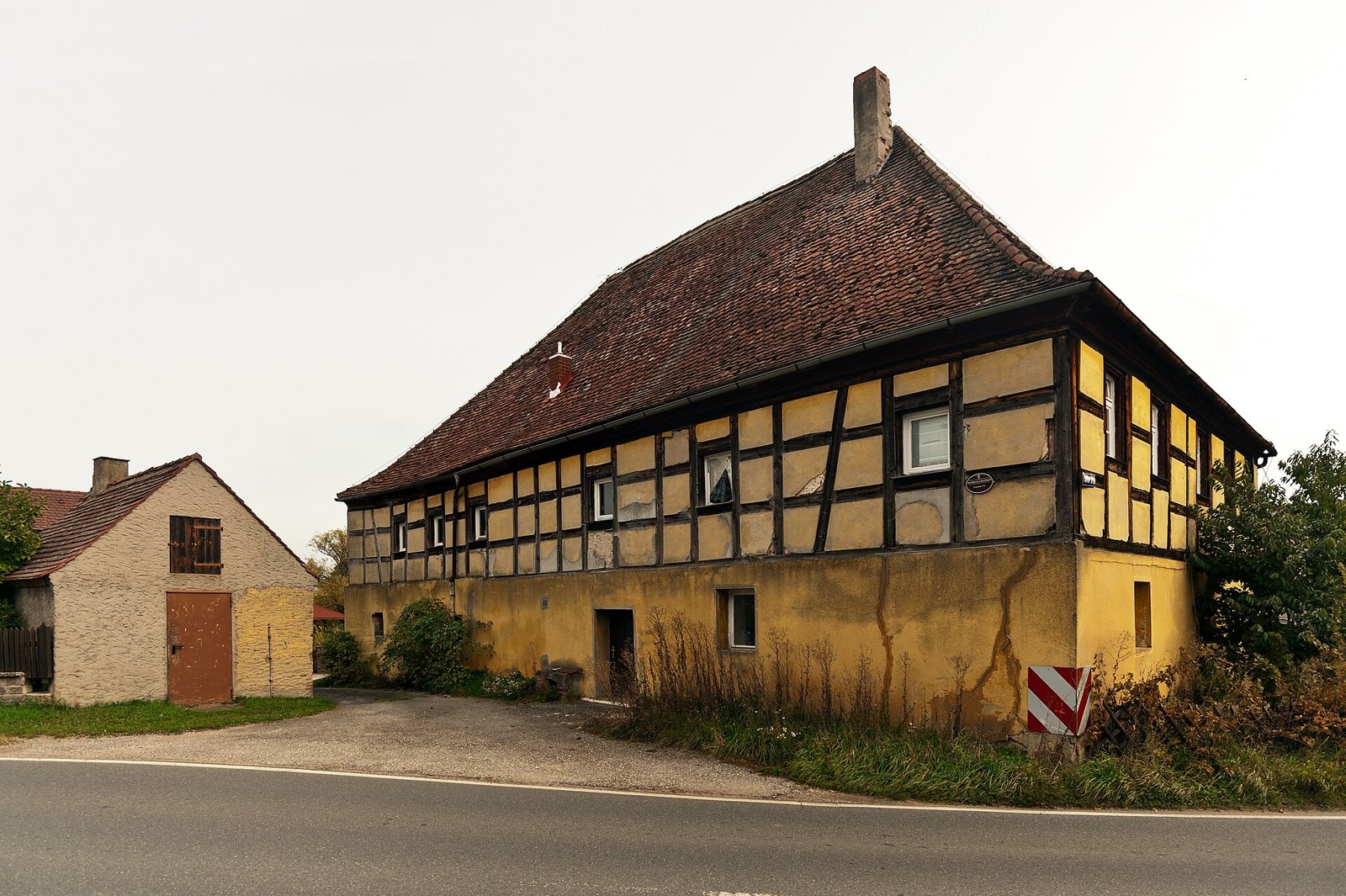

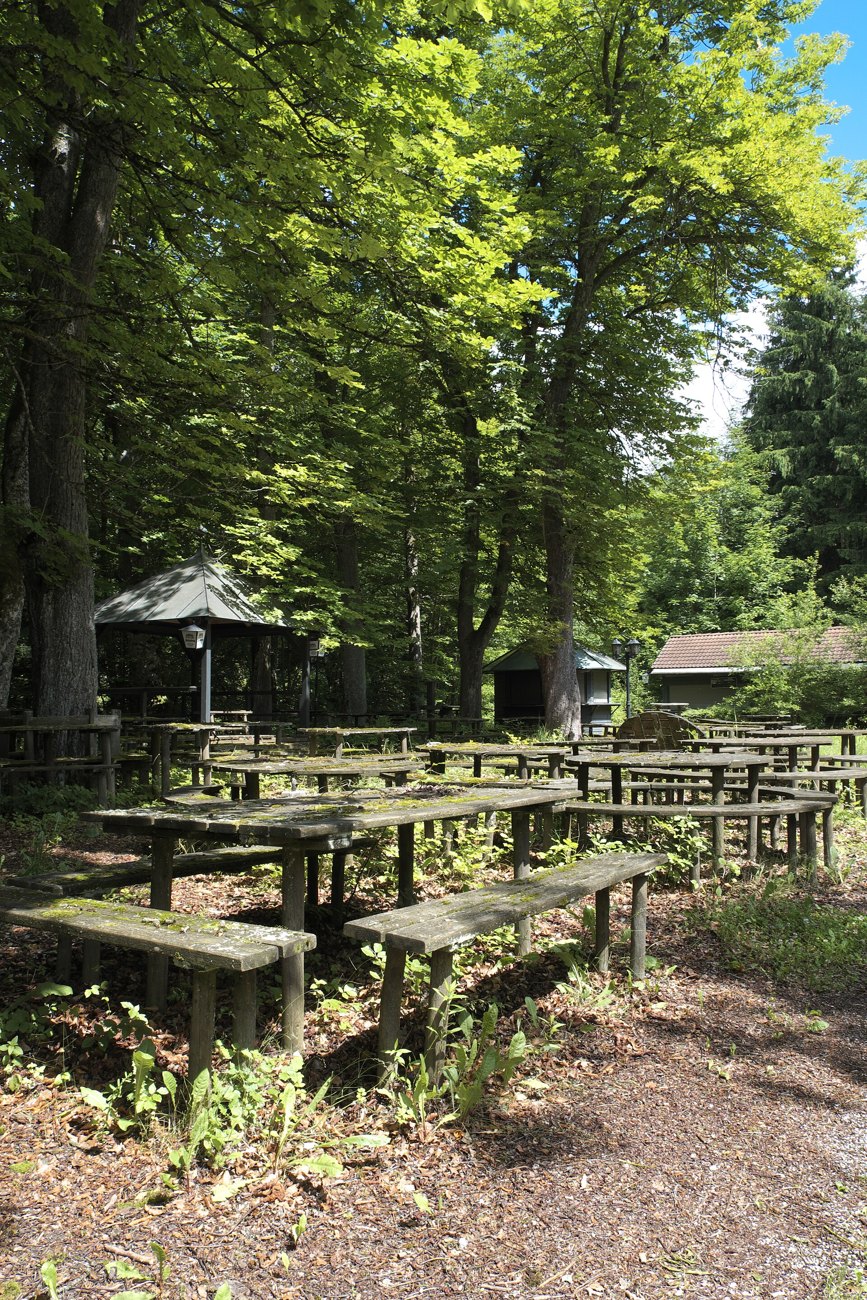
Signage usually makes the split visible: table-service areas have cloths, numbered tables, or a roped boundary. Self-service areas look plainer and often sit closer to the chestnut trees the gardens were originally planted under, for shade over the beer cellars below. Munich Tourism’s own guidance, published by the city at muenchen.de, describes this dual structure as standard across the city’s larger beer gardens, not an exception at any one of them.
Mixing the two causes friction quickly. Sitting at a table-service table and expecting self-service rules — or unpacking a picnic in the waiter-served section — tends to draw a prompt correction from staff.
What’s the practical routine, step by step?
- Check for a sign before sitting: a plaque or marker means Stammtisch, hands off.
- In a beer garden, confirm which zone the table sits in before unpacking food.
- Ask “Ist hier noch frei?” at any shared table that looks open.
- Expect separate bills per party, even at one table.
- If staff ask a visitor to move, do so without debate — it is rarely personal.
None of this requires fluent German. A polite question and a glance at the table for a sign cover almost every situation.

Does any of this apply at Oktoberfest?
Partly. The big festival tents run table-sharing on a much stricter, reservation-heavy system, closer to the table-service model than the open beer garden one. The mechanics of getting a seat without a prior booking are different enough to need separate treatment, covered in this site’s guide to getting a table in an Oktoberfest tent without a reservation.
Outside the festival, the city’s year-round beer culture — its breweries, its beer gardens, and the Wirtshäuser attached to them — is covered more broadly in the Munich beer and breweries hub, with ongoing coverage in the beer and breweries archive.
Why does this matter to residents, not just visitors?
For anyone living in Munich, the Stammtisch is often a genuine social fixture — a weekly anchor for a club, a street’s residents, or a workplace team, not a tourist-facing custom. Understanding it is part of understanding how neighborhood life actually works here, a theme covered further in the Living in Munich archive and the wider Munich guide.
Practical day-to-day questions — transport, opening hours, what closes on a Sunday — sit in the Munich practicalities hub, which is the better starting point for logistics than any single article on dining customs.

Access Munich is an independent guide written from published, checkable sources. We have not visited the places described here and we do not publish personal recommendations or invented ‘local favorites’ — where something is singled out as notable, we say who says so. Opening times, fares, closures and prices change at short notice, so treat everything here as a starting point and confirm with the museum, operator or venue directly before building a day around it. We give no advice on visas, insurance, health or safety; use your own government’s official guidance for those.
Featured image: Photo by GFreihalter, source, CC BY-SA 3.0
