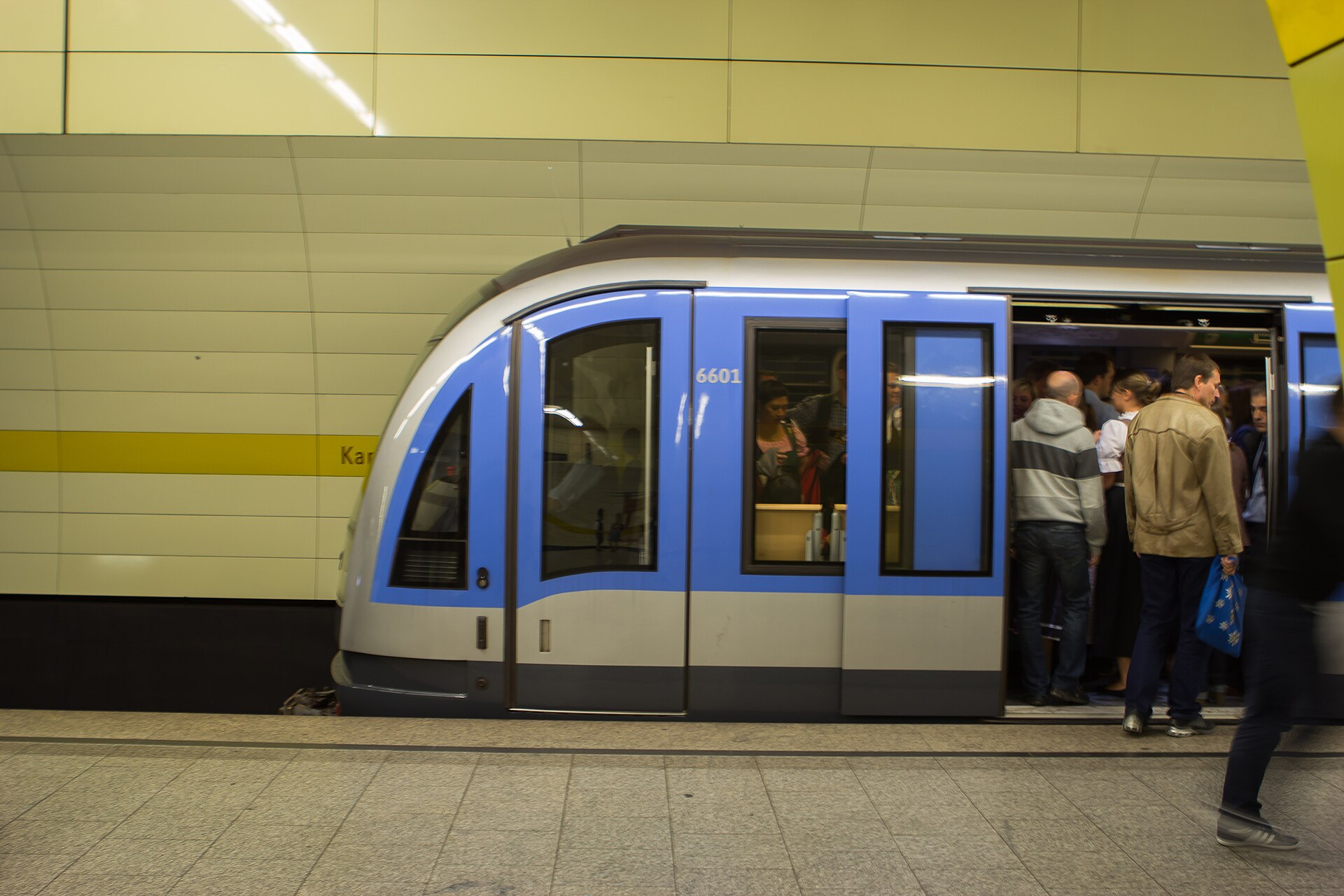
How do you get from Munich Airport into the city?
Three practical options exist: the S-Bahn (suburban rail), a taxi, or a ride-share app. The S-Bahn is the cheapest per person for one or two travelers. A taxi or ride-share becomes cheaper per person once a group reaches roughly three people, because its fare is flat and gets split, not multiplied.
Munich Airport, officially Flughafen München, sits well outside the city, northeast of the built-up area. There is no shortcut around that distance. Every option takes at least 40 minutes to reach the center. The choice is really about cost per person and how much luggage is involved.
What do the S-Bahn lines S1 and S8 actually do?
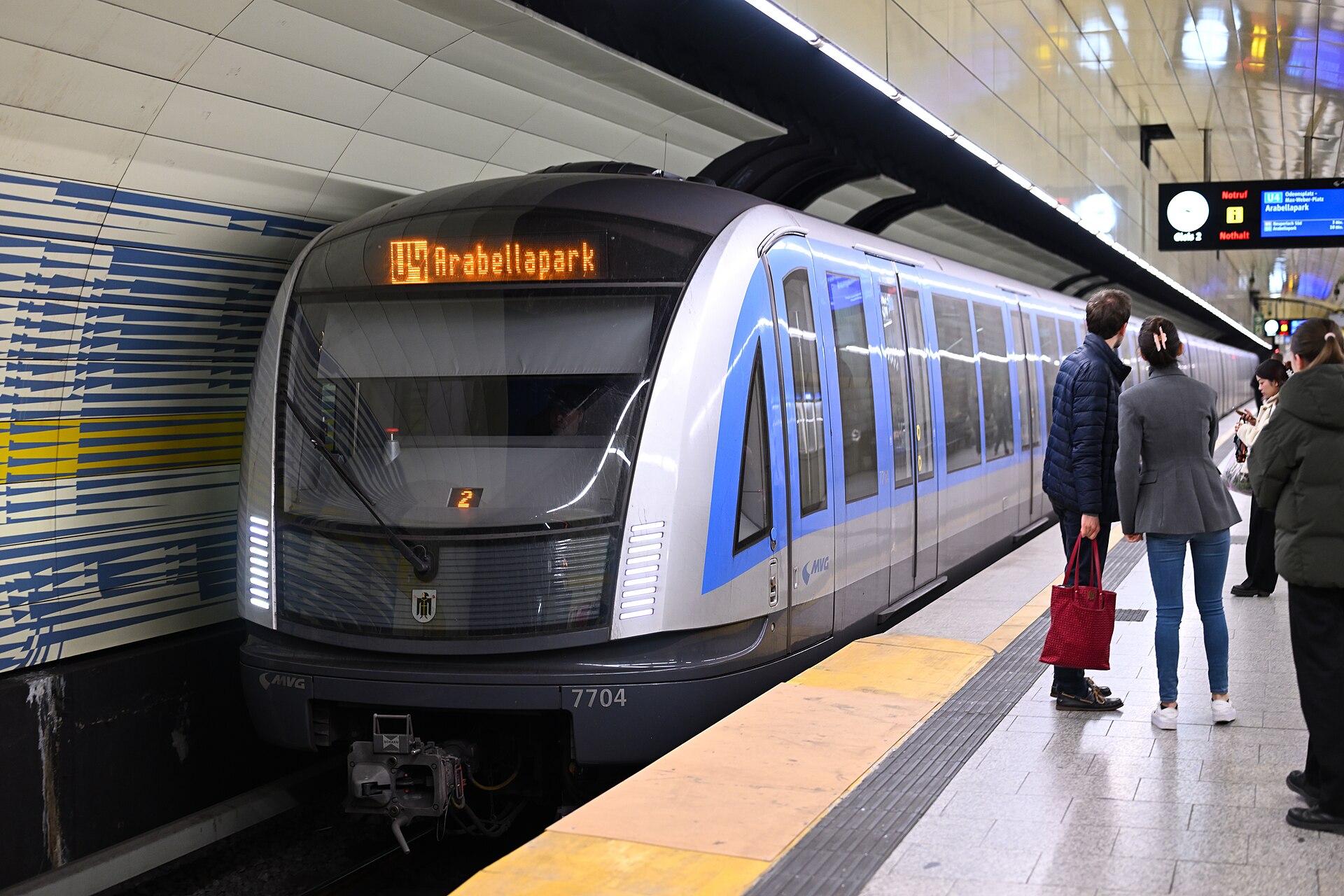
Two suburban rail lines, S1 and S8, run directly from the airport’s own underground station into central Munich. They take different routes through the city before converging on the main east-west trunk line, the Stammstrecke.
S8 runs via the eastern suburbs and reaches Marienplatz, the city’s central square, in around 40 minutes. S1 loops further west before joining the same corridor. Trains run roughly every 20 minutes on each line, so a combined service every 10 minutes is typical through the day. Timetables are published by the operator, MVV, the regional transport association covering Munich and its surrounding zones.
The fare depends on the zone system, not a flat airport surcharge. Munich’s transit zones expand outward from the center, and the airport sits in an outer zone on its own. For how that zone boundary is actually drawn, see our explainer on how the MVV zone system works, and where Zone M ends. MVV publishes current single-ticket and day-ticket prices for the airport route on its own site, and because fares are revised periodically, that is the only place to confirm today’s figure before buying.
What does a taxi or ride-share cost, structurally?
A taxi fare from the airport is metered, built from a base charge plus a per-kilometer rate, both set under Munich’s municipal taxi tariff. The City of Munich publishes that tariff, and it changes from time to time, usually with a public order setting the new rates. Ride-share apps use a different, demand-based structure, so their quoted price moves with time of day and traffic rather than a fixed table.
In practice, both options land somewhere in a similar band for the airport run, commonly discussed as roughly €35–€45 depending on traffic, time of day, and whether a flat corridor rate applies. That range is illustrative, not a quote. Our dedicated piece on Munich airport taxi cost and when it’s worth it goes through the tariff structure in more detail, and the operator’s or city’s own published tariff is the only reliable source for the current number.
The key structural fact, though, is simple: this fare is per vehicle, not per person. That single difference is what makes group size decisive.
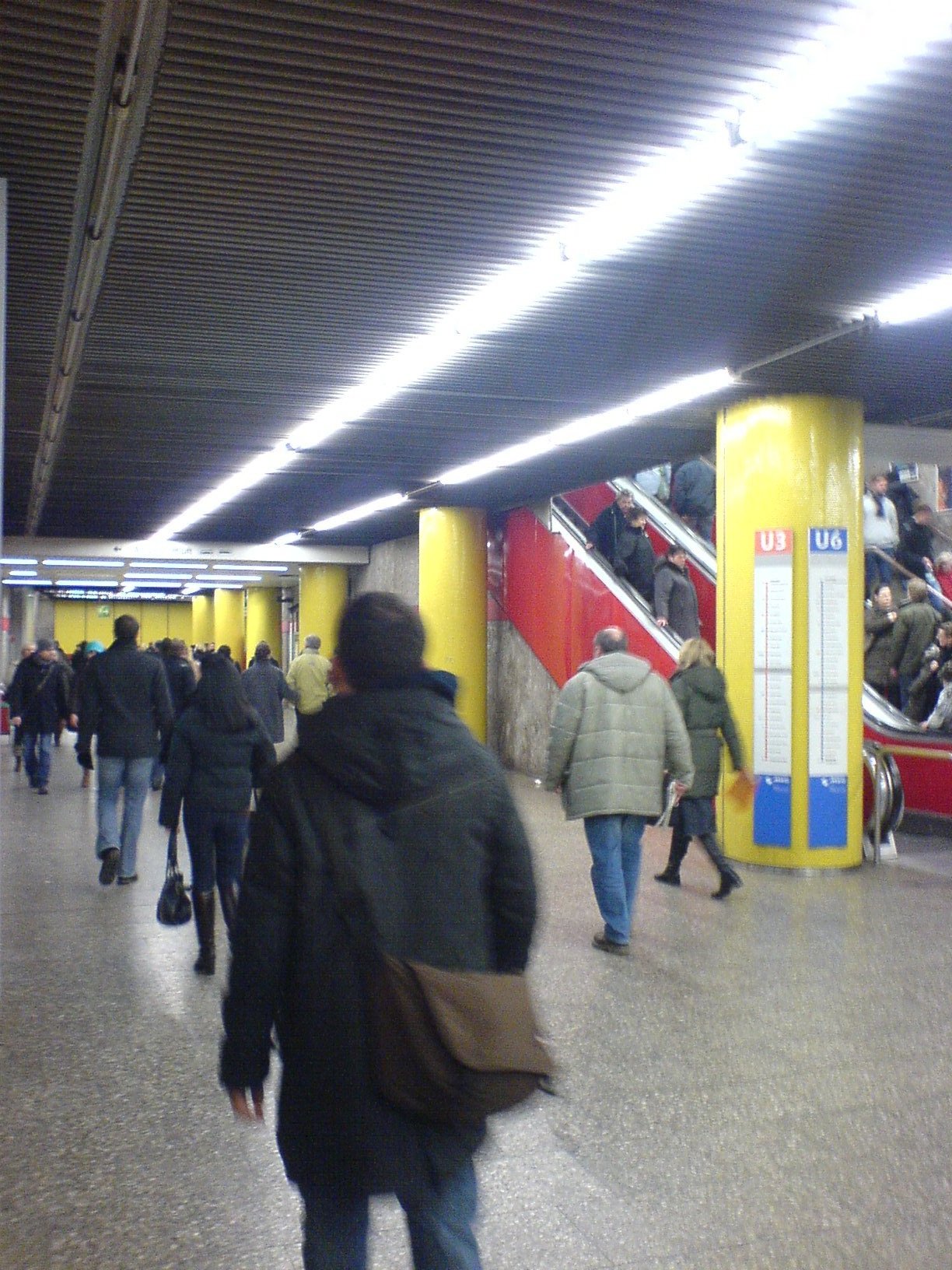

At what group size does a taxi beat the S-Bahn per person?
Here is the actual arithmetic. Divide the flat taxi or ride-share fare by the number of people traveling. Compare that to the S-Bahn single fare per person. Whichever number is lower wins.
Using a taxi fare around €40 and an S-Bahn single fare around €13.60 — both figures as published by the City of Munich’s tariff and MVV respectively at the time of writing, and both worth confirming before travel — the per-person numbers look like this:
- 1 traveler: S-Bahn ≈ €13.60 per person. Taxi ≈ €40 per person. S-Bahn wins clearly.
- 2 travelers: S-Bahn ≈ €13.60 per person. Taxi ≈ €20 per person. S-Bahn still wins.
- 3 travelers: S-Bahn ≈ €13.60 per person. Taxi ≈ €13.30 per person. The two are now roughly level.
- 4 travelers: S-Bahn ≈ €13.60 per person. Taxi ≈ €10 per person. Taxi is cheaper.
The break-even point sits at about three people. Below that, the train wins on pure cost. At three and above, the group fare starts to beat the sum of individual tickets. This is a ratio, not a fixed number. If the taxi fare is closer to €35, break-even arrives slightly sooner, around 2.6 people — rounding to three in practice, since fractional travelers don’t exist. If it’s closer to €45, break-even shifts out toward 3.3 people, meaning four is the first group size where taxi clearly wins.
The rule of thumb: divide the current taxi fare by the current single S-Bahn fare — that number is roughly your break-even group size. Recalculate it with the actual fares on the day, because both move independently.
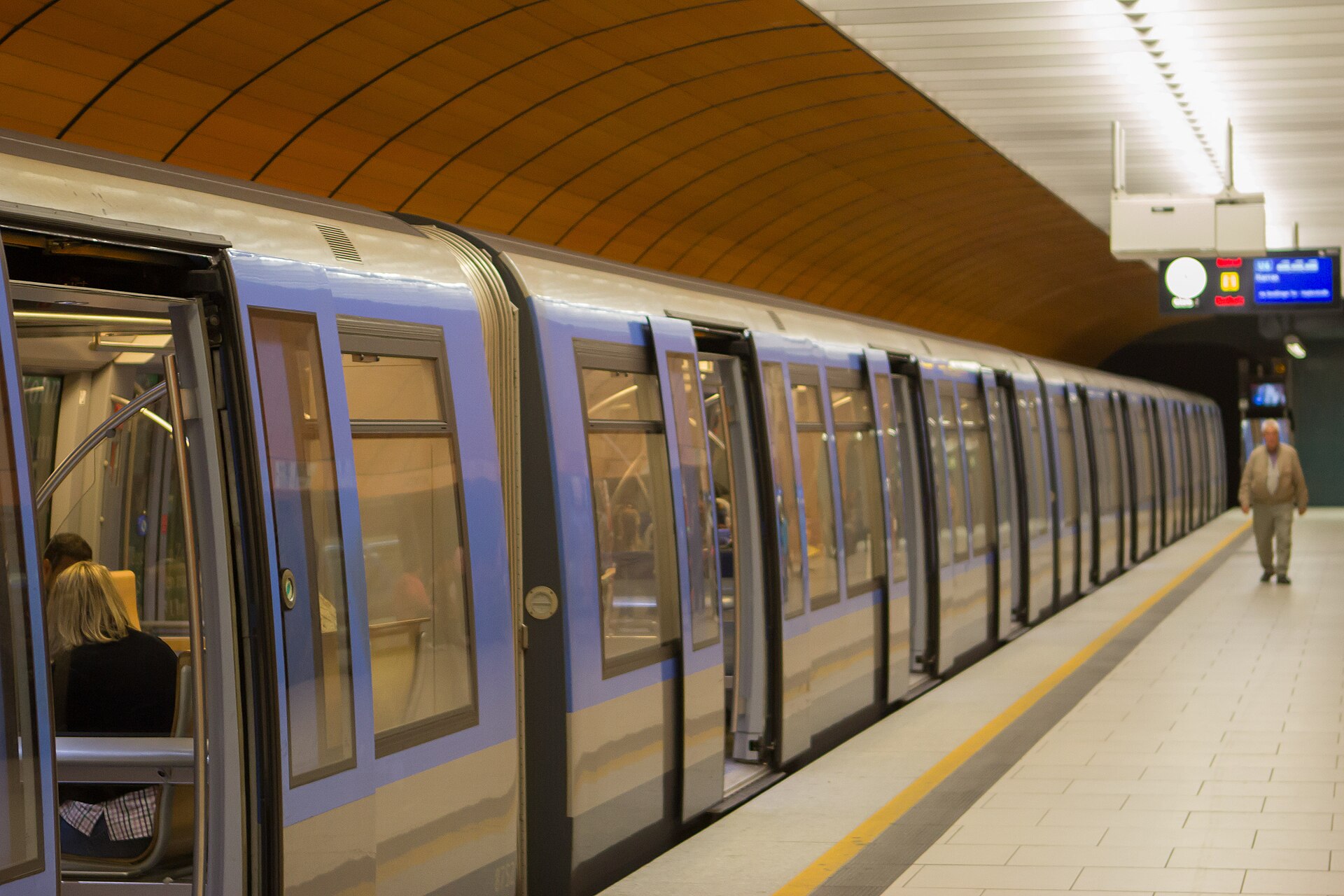

Does holding a Deutschlandticket change the math?
Yes, and for residents it changes it completely. The Deutschlandticket is a nationwide monthly transit pass, valid on regional and local trains including the Munich S-Bahn. If it’s already paid for, the marginal cost of one more ride is zero.
For someone who already holds one, the S-Bahn into the city is effectively free on top of a sunk monthly cost. In that case the S-Bahn wins at any group size, since there’s no per-person fare left to divide a taxi fare against. Our piece on the Deutschlandticket in Munich and whether it’s worth it for city-only trips covers who actually benefits from holding one rather than buying single tickets.
Visitors without one, buying single or day tickets for a short stay, are the group the break-even table above actually applies to.

What about the airport bus and other options?
An airport bus service also runs between the airport and the city, generally pitched as a budget alternative with a longer journey time than the S-Bahn due to road traffic. Munich Airport’s own site lists current connections and operators under its ground transport information. For most visitors, it’s a secondary option behind rail and taxi rather than the default.
Car rental is available at the airport as well, but that introduces parking and driving considerations in the city center that fall outside a simple cost comparison. General guidance on getting around the city, including when a car makes sense and when it doesn’t, sits in our Getting Around archive, alongside the wider practical planning hub for visitors and residents.
Luggage, timing and station access
Price isn’t the only variable. Large suitcases change the comfort calculation even when they don’t change the fare.
The S-Bahn has no luggage surcharge. But not every station along the route has step-free access or working elevators at all times, and a crowded carriage at rush hour is a real constraint with several large bags. A taxi removes that problem entirely, at a cost.
If there’s a gap between when luggage needs to leave a hotel and when a flight or train departs, that’s a separate logistical question. Our guide on where to leave luggage in Munich between checkout and train covers short-term storage options in the city center.
One more factor worth noting for multi-day visitors: a transit pass bundled with sightseeing, such as the München Card or CityTourCard, sometimes includes the airport zone in its coverage. Whether that’s worth it depends on how much the rest of the card gets used, not on the airport trip alone.
The underlying decision stays the same regardless of luggage: count the group, check the day’s fares on MVV’s site and the current taxi tariff, divide, and compare. The structure doesn’t change year to year. The numbers do.


Access Munich is an independent guide written from published, checkable sources. We have not visited the places described here and we do not publish personal recommendations or invented ‘local favorites’ — where something is singled out as notable, we say who says so. Opening times, fares, closures and prices change at short notice, so treat everything here as a starting point and confirm with the museum, operator or venue directly before building a day around it. We give no advice on visas, insurance, health or safety; use your own government’s official guidance for those.
Any prices mentioned are indicative only. In Munich they move with the season, with the transport zone you travel through, and steeply during Oktoberfest — check the current figure with the operator or the institution before you rely on it.
Featured image: Photo by Poudou99, source, CC BY-SA 4.0
