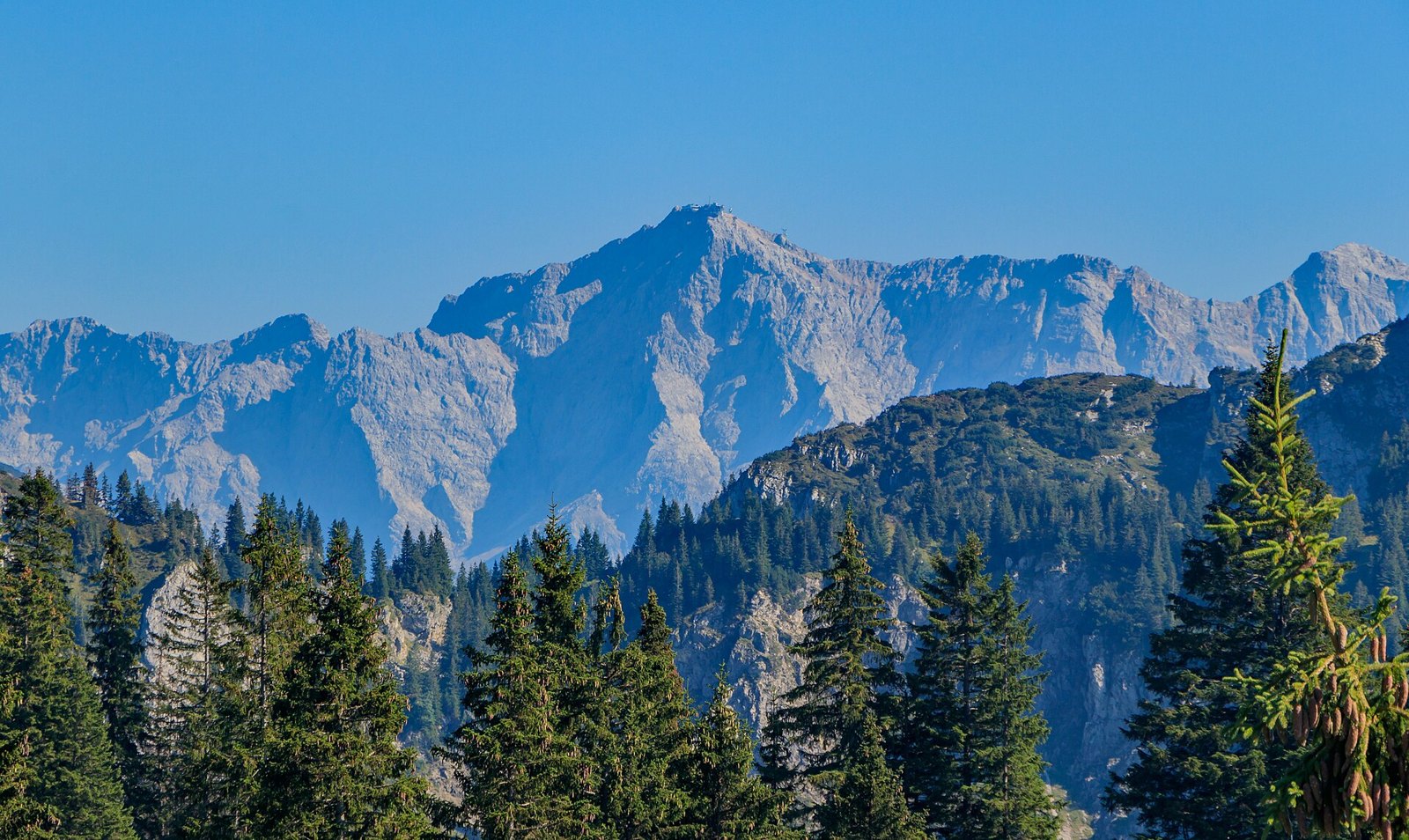
Yes, with conditions. The Zugspitze is reachable from Munich in a single day, by train and then cable car or cogwheel railway. It rewards the trip on a clear day. The fare is built from separate tickets, not one price, and the real risk is weather, not cost. A foggy summit can swallow the ticket’s value entirely.
How do you actually get to the Zugspitze from Munich?
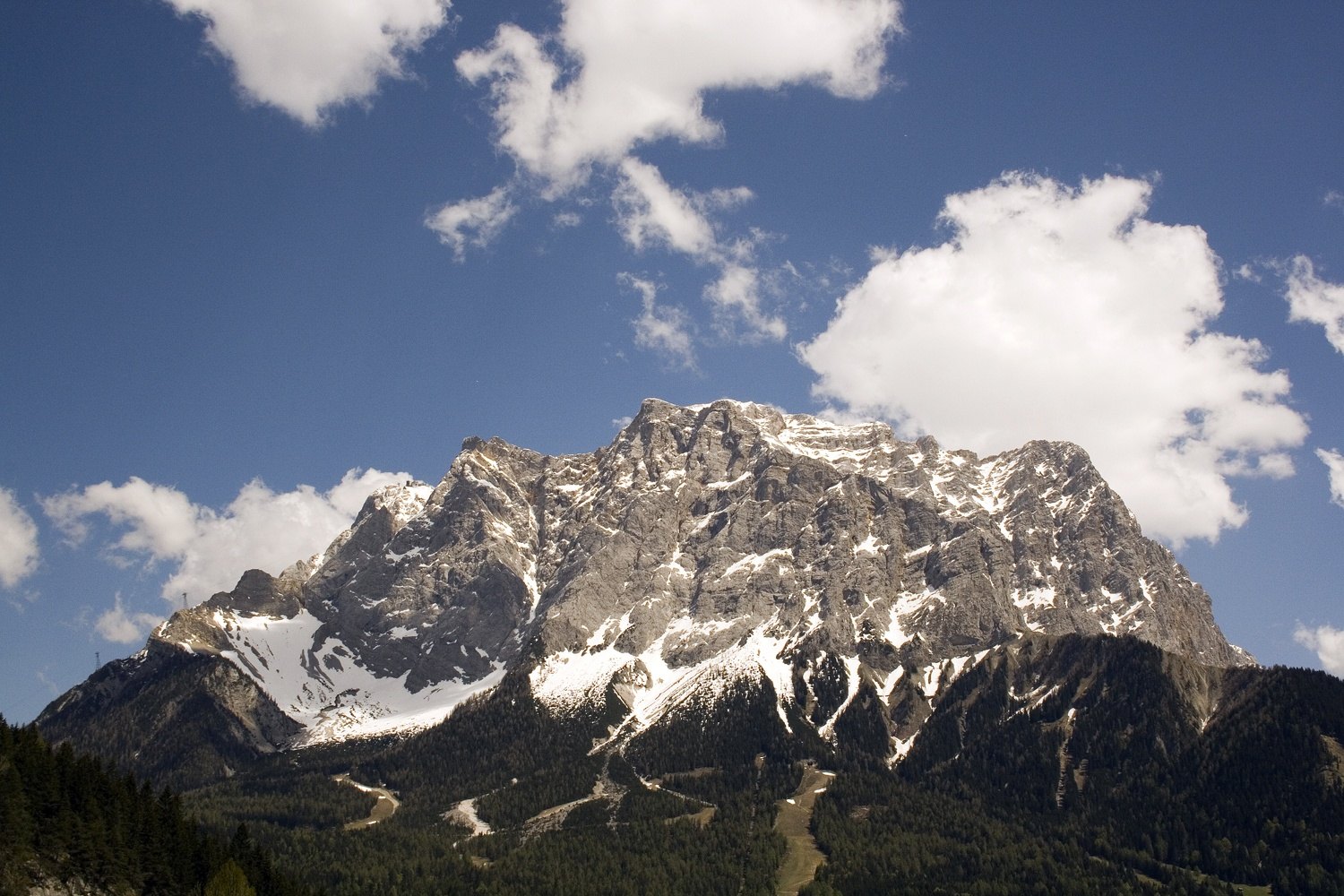
The standard route runs from Munich Hauptbahnhof by regional train to Garmisch-Partenkirchen, roughly 90 kilometers southwest of the city. From there, the Bayerische Zugspitzbahn operates two ways up. One is a cogwheel train, the Zahnradbahn, running through a tunnel to the Zugspitzplatt glacier plateau. The other is a cable car, the Seilbahn, climbing from the Eibsee lake near the valley station straight to the summit at 2,962 meters. Both routes converge at the top, where a shared viewing platform and restaurant sit on the summit ridge. Door to door, the journey typically runs two to three hours each way, depending on connections.
What does the full journey cost, and how is the fare built?
The total cost comes from layers, not a single number. The first layer is the regional train from Munich to Garmisch-Partenkirchen, run by Deutsche Bahn or a regional partner depending on the connection chosen. The second is the Bayerische Zugspitzbahn’s own ticket for the mountain leg — cogwheel train, cable car, or both. A combined day ticket bundles the two legs, and the operator prices it by season. Summer and winter rates differ. There are separate child, family, and group bands, and none of those figures belong in this article from memory. Lift fares shift with energy costs and season far more often than a city transit fare does. The Bayerische Zugspitzbahn publishes current fares on its own site, and that is the only place to check a number before paying it.
The regional train leg raises a separate question: whether a Deutschlandticket is worth carrying for a single trip like this, since it covers standard regional services but not the mountain railway itself. The Deutschlandticket in Munich breakdown works through that math for short, occasional trips rather than daily commuting. The same layered-fare logic turns up on other day trips from the city; the Munich to Nuremberg cost comparison and the Neuschwanstein timing and cost guide both show how regional rail pricing and a site’s own entry fee stack independently of each other.

Is the Zugspitze worth the fare — and what’s the real risk?
The risk isn’t the price. It’s the weather. At 2,962 meters, the summit sits high enough to be inside cloud on many days, a pattern the Deutscher Wetterdienst’s mountain forecast tracks daily for the Zugspitze and the surrounding Wetterstein range. A whiteout at the top means no view, no panorama, and a ticket that cost the same as it would on a clear day. The cogwheel train and cable car both keep running in that case. The payment doesn’t change. Only the reason for making the trip does.

When should you buy the summit ticket, and when should you stop at Garmisch?
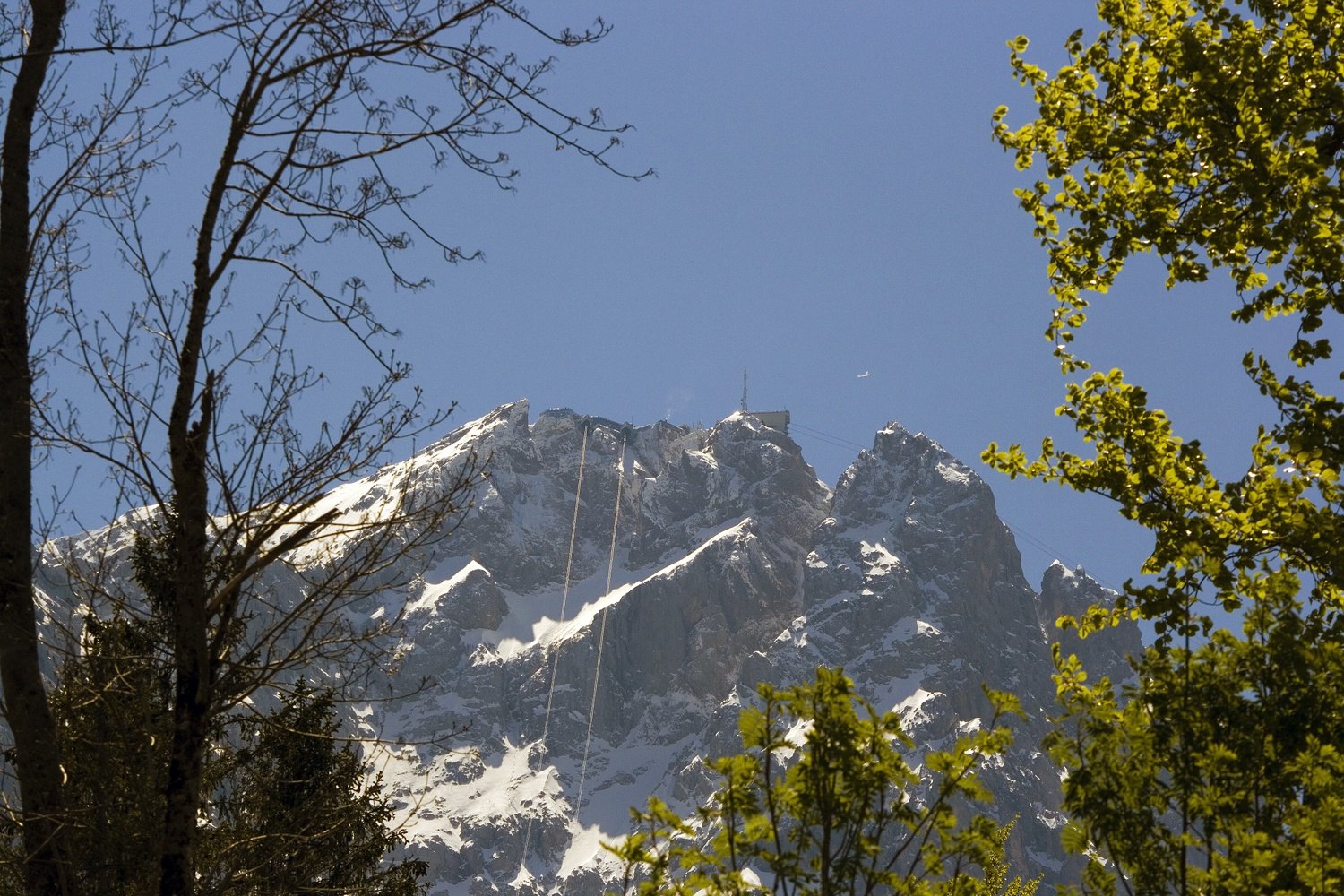
Check two things before buying, not one: the summit webcam, and the DWD mountain forecast’s cloud base and wind warnings. The rule is simple enough to apply from a phone at breakfast.
| Signal | What it means | What to buy |
|---|---|---|
| Summit webcam clear; forecast cloud base above roughly 3,000 m; no wind warning | Good visibility odds at the top | Full Zugspitz-Erlebnis ticket to the summit |
| Forecast cloud base at or below the summit’s 2,962 m | Summit likely in cloud regardless of valley weather | Garmisch-only ticket, or stop at the Zugspitzplatt plateau station |
| Active wind warning (Windwarnung) for the summit plateau | Cable car may be suspended | Delay purchase until the operator confirms normal service |
| Fog visible on the Eibsee valley webcam, clear reported above | Likely temperature inversion — common in Alpine basins in autumn and winter | Full ticket; summit odds are often better than the valley view suggests |
That last row surprises people. Alpine basins trap cold, damp air low down while the ridge above sits in sun. Checking only the valley sky, or only a city forecast, misses this entirely.
What happens if the weather turns after you’ve already paid?
The Bayerische Zugspitzbahn’s published conditions of carriage set out what happens when the cable car is suspended for weather. The general shape of Alpine-lift policy is consistent across operators: a confirmed suspension of service triggers a refund or a free rebooking for the affected ascent. Reduced visibility that doesn’t stop the cable car running usually does not. Read the operator’s own current terms before paying — they can change by season, and only the published version on the day matters.
Being fogged in at the top rarely means being stranded. The summit has a restaurant and enclosed viewing areas, and the cogwheel train and cable car keep to their timetable unless wind forces an actual stop. A foggy ascent typically means a view-less wait for the next car down, not a missed connection home.

How do you get from central Munich to the station, and back?
Munich Hauptbahnhof sits inside the MVV network, the same zone-based transit system used for the city’s U-Bahn, S-Bahn, and tram. Anyone starting from a hotel or apartment within the city reaches the station on a standard city fare; the MVV zone system guide explains how that fare is calculated and where the zones actually end. The regional train to Garmisch-Partenkirchen is a separate ticket layer, bought on top of — not instead of — the city fare used to reach Hauptbahnhof.
Anyone checking out of accommodation before a day trip like this, with hours to fill before a train, has the same storage problem as any other day-trip traveler leaving Munich. The luggage storage guide covers the options near the station.
Is it worth doing as a day trip, or better as an overnight?
As a single day trip, the Zugspitze asks for an early start and a clear-weather check before committing to the summit fare. The same logic applies to other classic day trips from the city, covered across the site’s day trips coverage and the wider practical planning hub. A fogged-in summit isn’t a wasted day if the fallback plan — Garmisch itself, or the Zugspitzplatt plateau rather than the top — is decided before the ticket is bought, not after.
Access Munich is an independent guide written from published, checkable sources. We have not visited the places described here and we do not publish personal recommendations or invented ‘local favorites’ — where something is singled out as notable, we say who says so. Opening times, fares, closures and prices change at short notice, so treat everything here as a starting point and confirm with the museum, operator or venue directly before building a day around it. We give no advice on visas, insurance, health or safety; use your own government’s official guidance for those.
Featured image: Photo by Llez, source, CC BY-SA 3.0
