Which museums cost €1 on Sundays in Munich?
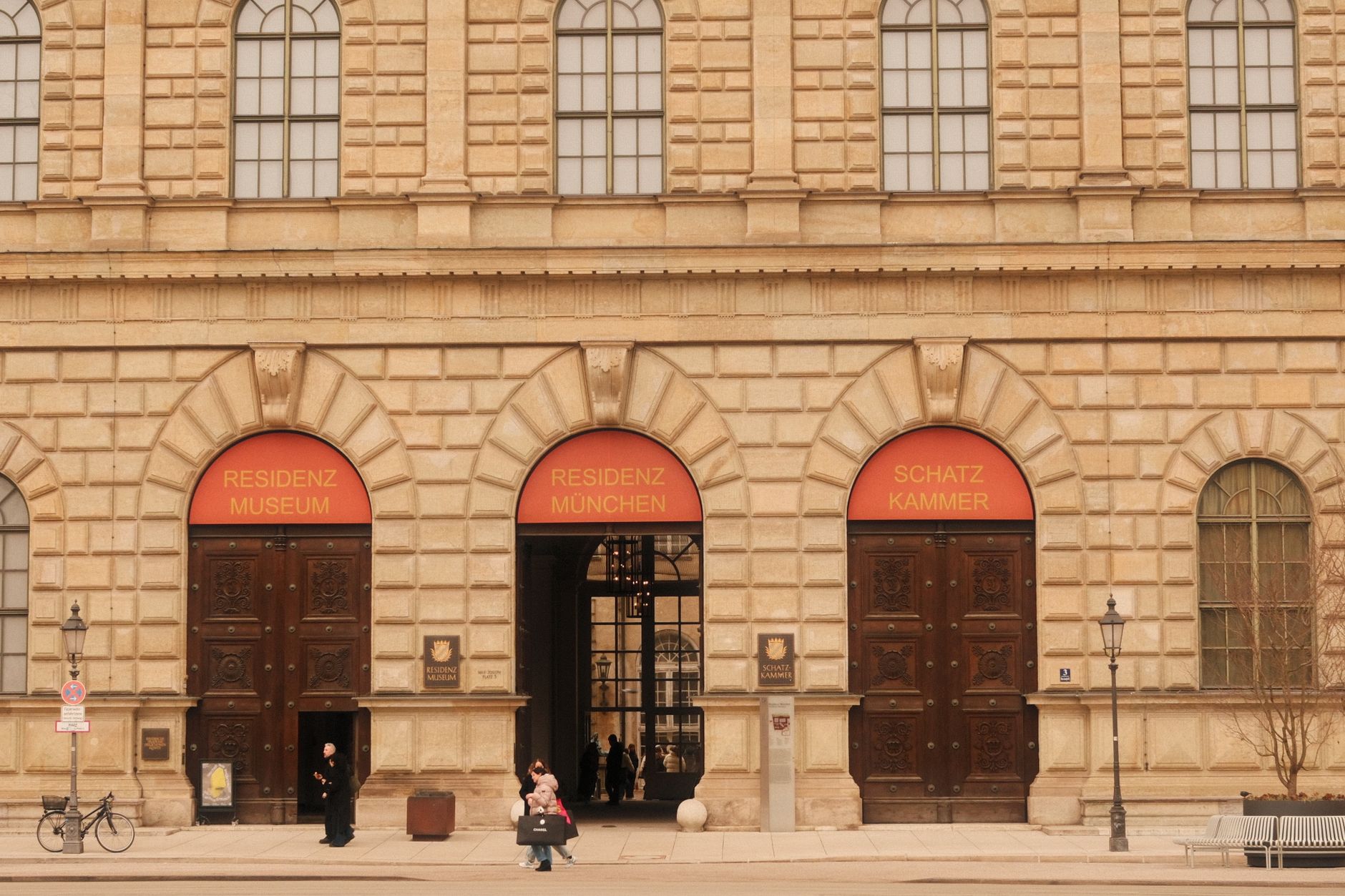
The €1 Sunday rate — Bavaria calls it the “Ein-Euro-Sonntag” — applies only to museums owned by the Free State of Bavaria. That covers the Pinakothek der Moderne, the Alte Pinakothek, the Neue Pinakothek and the Residenz München. It does not cover the Deutsches Museum, the NS-Dokumentationszentrum, the BMW Museum, or, for special exhibitions, Museum Brandhorst. Ownership decides the price, not popularity.
Who runs the Ein-Euro-Sonntag scheme, and which museums are in it?
The scheme is administered by two separate Bavarian state bodies: the Bayerische Staatsgemäldesammlungen for the picture galleries, and the Bayerische Schlösserverwaltung for palaces and the Residenz. Every Sunday, the permanent collections at these institutions charge a flat €1, a figure worth confirming on the Pinakotheken’s own site before setting out. Special or touring exhibitions are usually excluded. They carry their own ticket, even on a Sunday. That distinction — permanent rooms versus a ticketed show — trips up more visitors than the €1 rate itself.
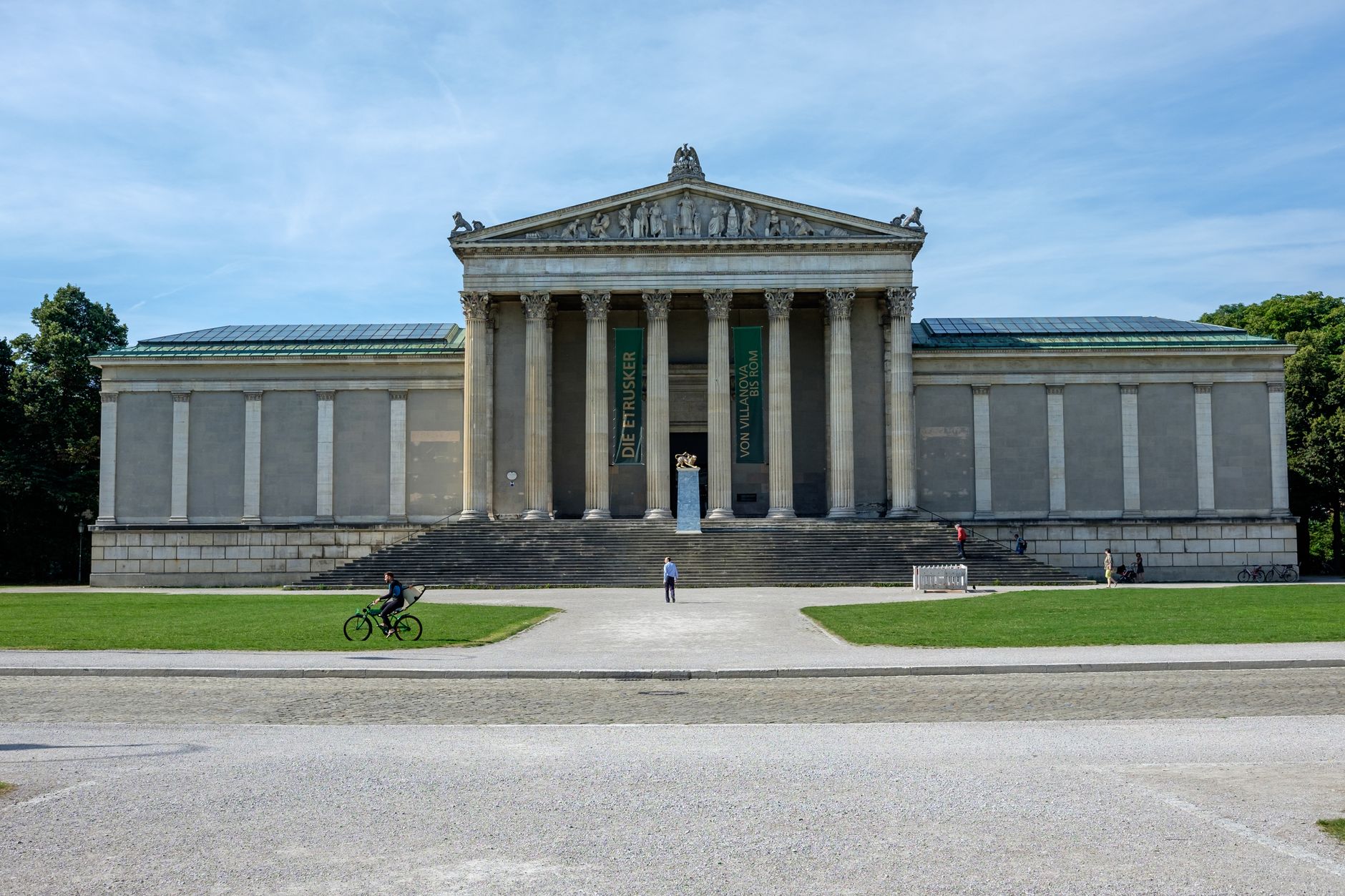
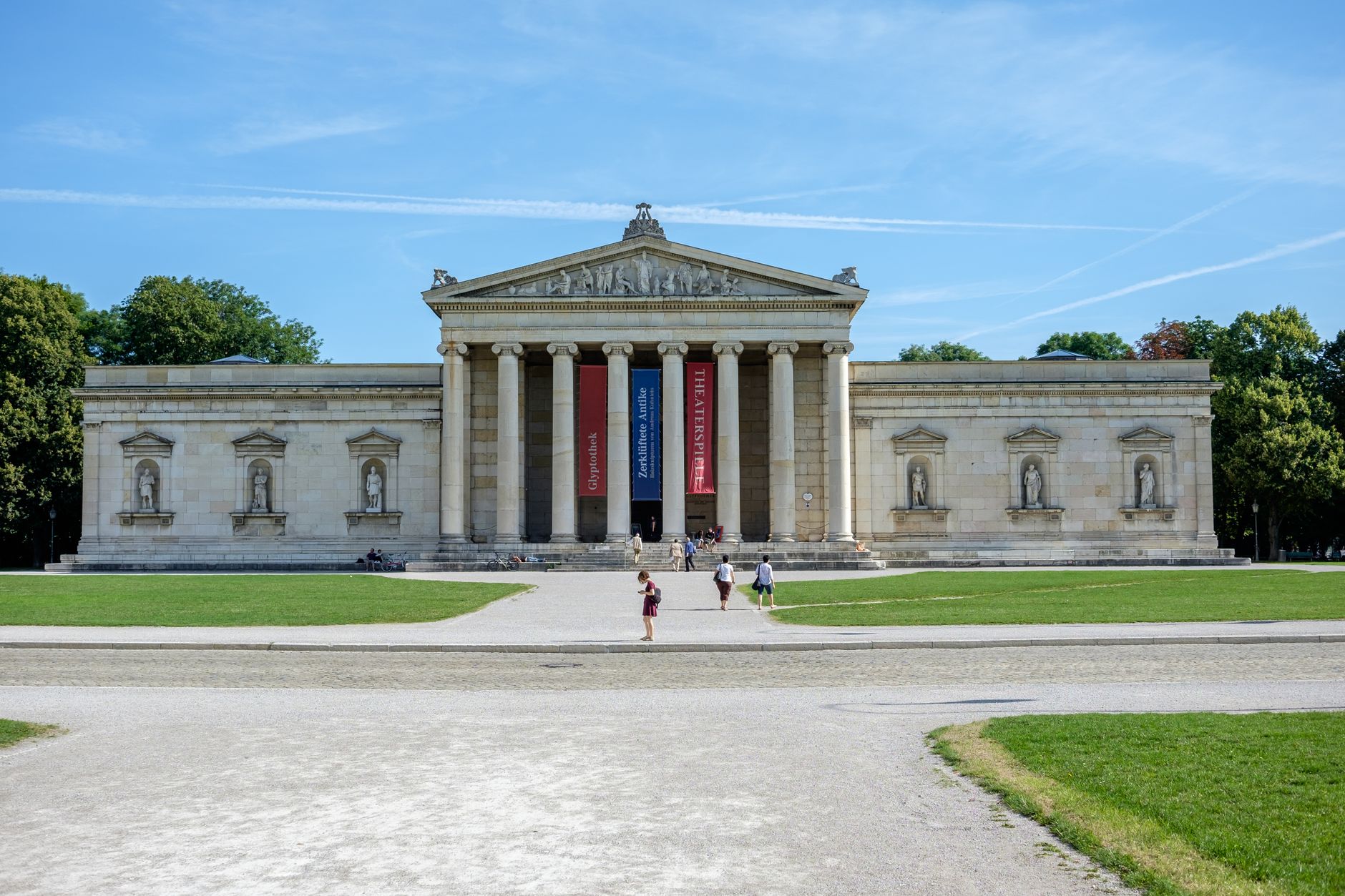
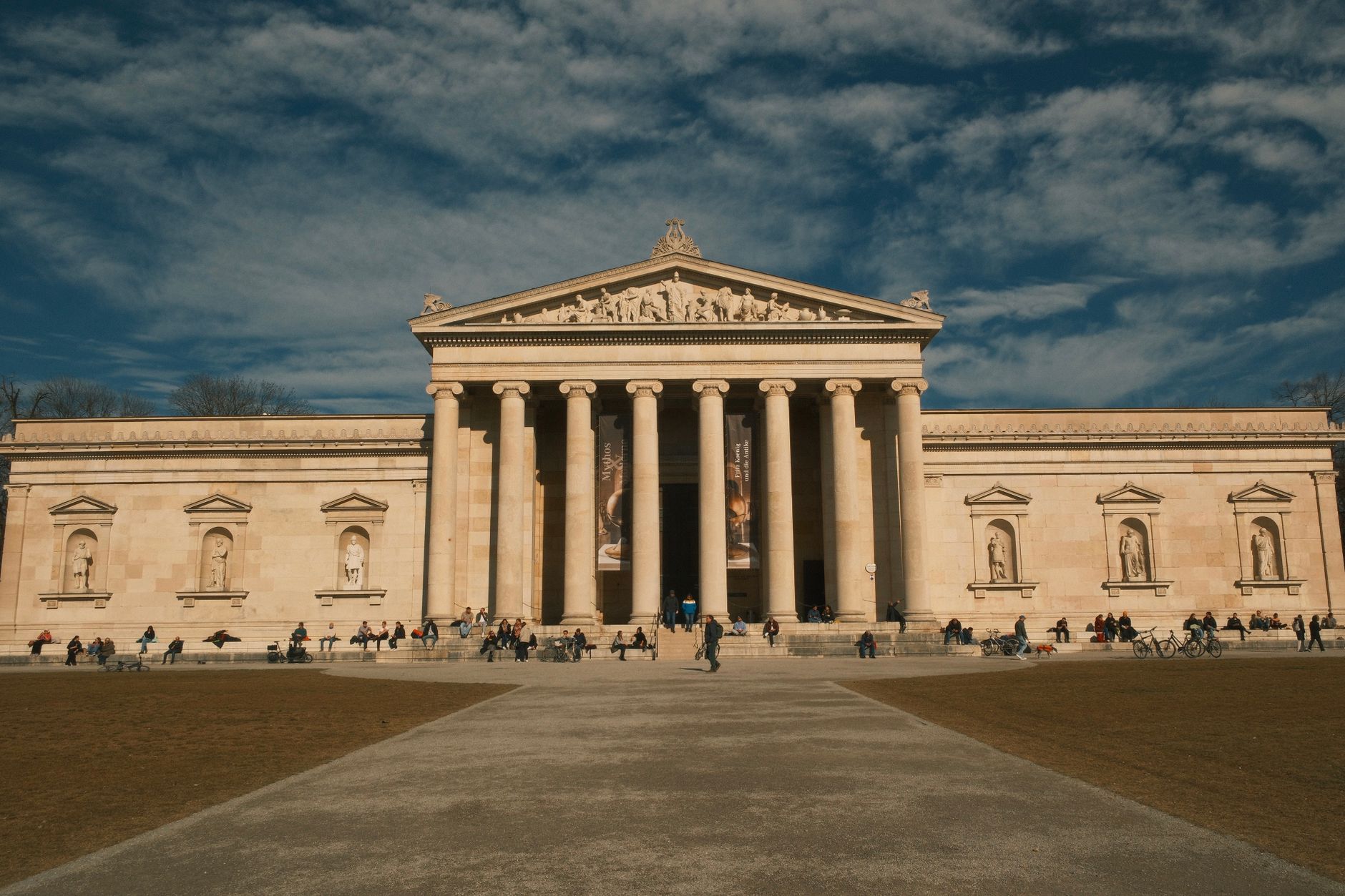
Several smaller state collections sit nearby in Maxvorstadt, Munich’s 3rd district, among them the Glyptothek and the Staatliches Museum Ägyptischer Kunst on and around Königsplatz. All are funded from the state culture budget, and all set their Sunday rate the same way. Bavarian state museums close on Mondays as a rule, so a Sunday plan should still check hours in advance.
Which well-known museums are not €1 on Sundays, and why?
Three of Munich’s most visited museums are not Bavarian state property, and none discount to €1. A fourth, Museum Brandhorst, is state-owned but often misunderstood, because its main draw is frequently a ticketed special show rather than its free-standing permanent rooms.
| Museum | Owner / operator | Part of Ein-Euro-Sonntag? |
|---|---|---|
| Deutsches Museum | Its own foundation (Stiftung Deutsches Museum), separate from the state museums group | No — sets independent admission, confirmed on deutsches-museum.de |
| NS-Dokumentationszentrum München | City of Munich (Landeshauptstadt München), with an independent foundation board | No — a municipal institution, outside the state scheme |
| BMW Museum | BMW Group, a corporate museum beside BMW Welt | No — private pricing, unrelated to any public scheme |
| Museum Brandhorst | Bayerische Staatsgemäldesammlungen (Bavarian state) | Permanent rooms: yes. Special exhibitions: usually a separate ticket |
Why does ownership decide the price at all?
Germany funds culture through three separate purses, and Munich shows all three at once. The Free State of Bavaria funds its own museums directly. It can set a flat concessionary rate as policy — the €1 Sunday is a subsidy decision, not a market price. The City of Munich funds its own institutions, including the NS-Dokumentationszentrum, and sets its own admission through the city council. Private and foundation museums cover their own running costs from ticket revenue, donors, or a parent company’s budget. They price independently of any government scheme.
That is why the Deutsches Museum, one of the world’s largest science and technology museums by its own account, sits outside the €1 rate. It is governed by its own foundation statute, not the Bavarian state museums administration. The BMW Museum, in Milbertshofen-Am Hart, Munich’s 11th district, is a corporate showcase funded by BMW Group. Neither institution owes anything to a state subsidy program. Neither is bound by its terms.
Does the NS-Dokumentationszentrum charge anything on Sundays?
The center documents Munich’s role in the rise of National Socialism, on the site of the former party headquarters on Königsplatz. As a City of Munich institution, its admission policy is set separately from the Bavarian state museums, and should be checked on the center’s own site rather than assumed from the €1 scheme. Whatever the current rate turns out to be, it has no link to the Free State’s Sunday subsidy.
How should a Sunday museum visit actually be planned?
Start from ownership, not fame. If a museum belongs to the Pinakotheken group, the Residenz, or the Glyptothek, the €1 rate likely covers its permanent rooms — confirm it on the operator’s own site first. If it is city-run, private, or foundation-run, budget for a normal ticket instead.
Munich’s Sunday pattern compounds the confusion. Shops close under national trading-hours rules, so museums become one of the few reliably open indoor options, a pattern covered in more detail in why everything shuts on a Sunday in Munich. That pushes more visitors than usual toward the €1 museums specifically, and toward the Deutsches Museum once they discover it isn’t included after all.
Transport shapes the plan too. Moving between the Königsplatz museum cluster, the Deutsches Museum on its Isar island site, and the BMW Museum near the Olympic Park depends on the MVV network’s zones, explained in how the MVV zone system works. Anyone weighing a day pass against single tickets should also compare the München Card against the CityTourCard, since both bundle transport with museum discounts that are entirely separate from the €1 Sunday rate.
For a wider view of what the city’s museums hold, the Munich guide to landmarks, museums and neighborhoods is a reasonable starting point. General planning questions — timing, closures, getting around — sit under the practical hub for getting around, food and green space and the planning and practicalities archive.
Access Munich is an independent guide written from published, checkable sources. We have not visited the places described here and we do not publish personal recommendations or invented ‘local favorites’ — where something is singled out as notable, we say who says so. Opening times, fares, closures and prices change at short notice, so treat everything here as a starting point and confirm with the museum, operator or venue directly before building a day around it. We give no advice on visas, insurance, health or safety; use your own government’s official guidance for those.
Any prices mentioned are indicative only. In Munich they move with the season, with the transport zone you travel through, and steeply during Oktoberfest — check the current figure with the operator or the institution before you rely on it.