What the city asks of a resident, in the order it asks it. Registration first, because in Germany almost nothing else can proceed until it is done.
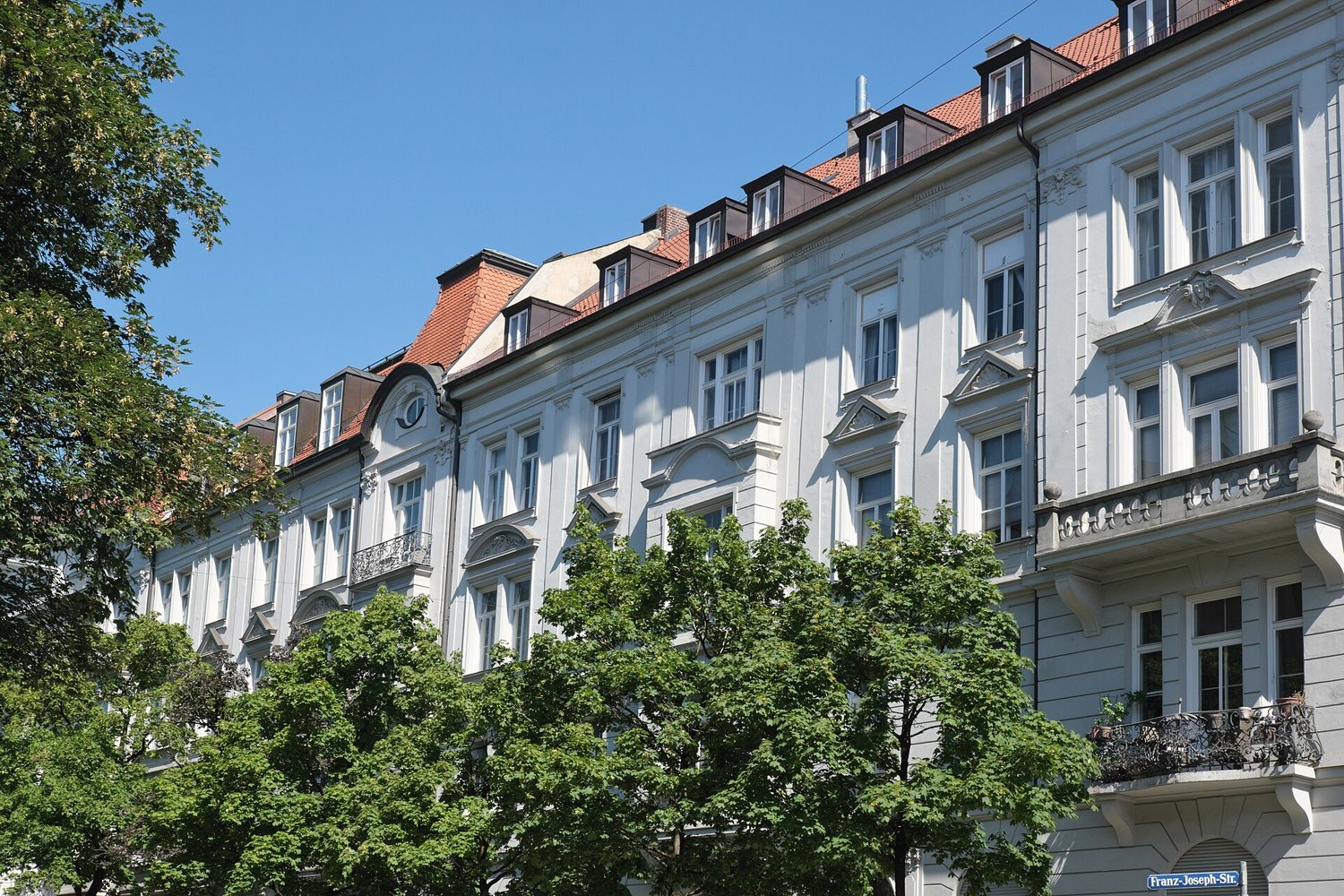

Anmeldung comes first
You must register your address within two weeks of moving in, under § 17 of the Bundesmeldegesetz. Missing the deadline is an administrative offence with a fine of up to €1,000.
You cannot do it alone: your landlord must give you a Wohnungsgeberbestätigung confirming that you live there (§ 19 BMG), and the office will not register you without it. The confirmation you receive afterwards is what banks, employers and the immigration office all ask to see. What the process needs, step by step.
Rent is the defining cost
Munich is the most expensive city in Germany to rent in — around €23.70 per square metre in the second quarter of 2026, against roughly €17.80 in Frankfurt, the next most expensive. Viewings draw queues, and landlords routinely ask for documents most newcomers have not yet been able to obtain.
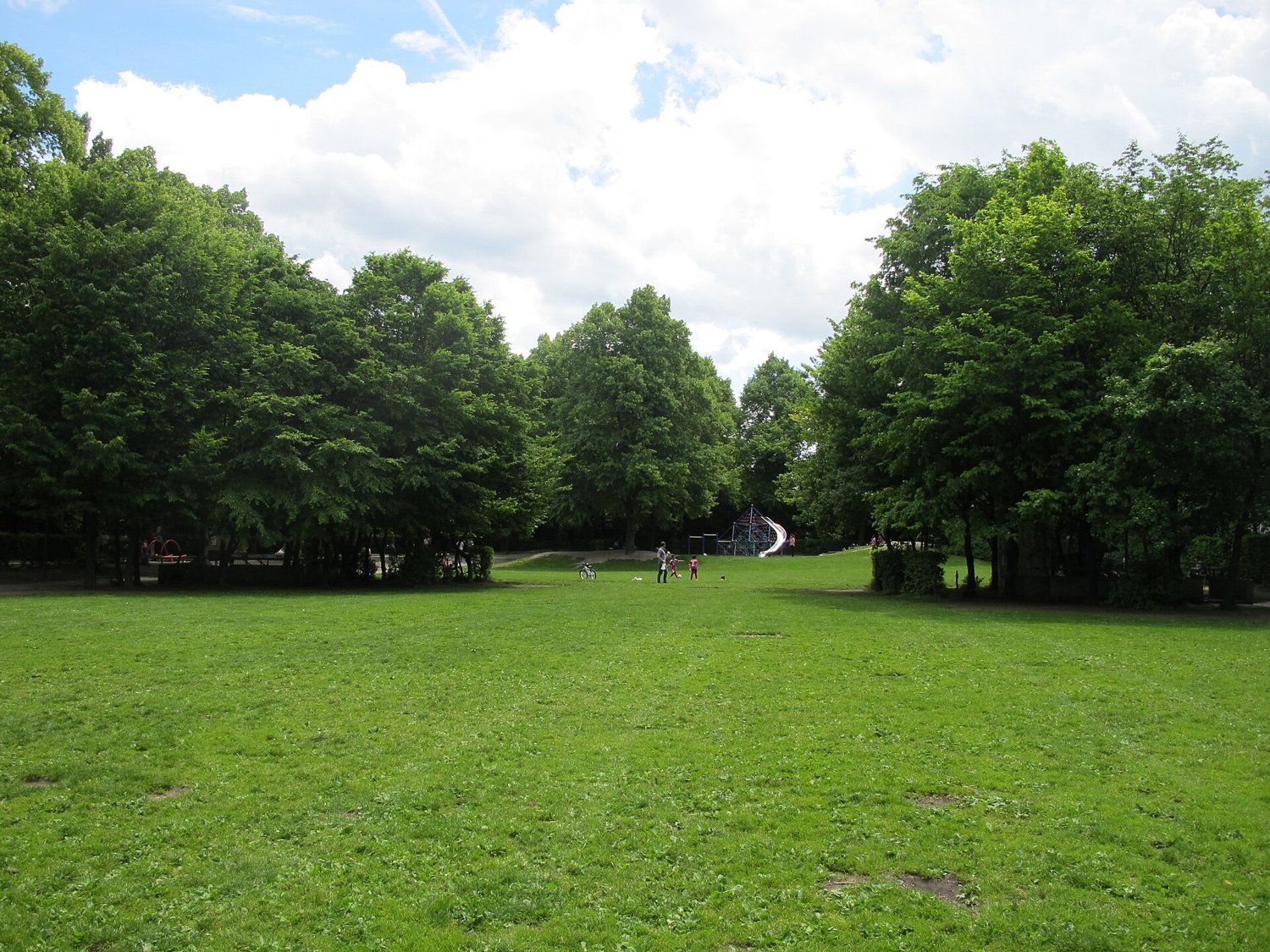

Which district
Munich’s 25 Bezirke go by name rather than number. Maxvorstadt for the universities, Schwabing for calm and expensive, Haidhausen across the Isar, Giesing and Sendling where the city still feels working-class. What each is like to live in.
Where to go next
- Living in Munich — registration, rent, waste, the building
- Getting Around — and whether the Deutschlandticket is right for you
- Neighbourhoods — the 25 Bezirke
Legal requirements per the Bundesmeldegesetz; rent figures as reported for Q2 2026. Checked 3 September 2026. Confirm your own case with the relevant office.